
Homeowners in the desert deal with damage homeowners in other regions never see. You lose shingle granules to constant UV exposure, watch your shingles crack as the roof swings from 150 degrees at noon to 70 degrees overnight, and find your foundation moving as the soil shrinks and swells. Yearly roof inspections, clear gutters, sealed foundation cracks, and shingle rejuvenation all keep small problems from turning into replacement bills.
| Time to Read |
|
| What You’ll Learn |
|
| Next Steps |
|
If you live in one of America’s four major desert regions, you’re more than familiar with what it means to live in extreme conditions. Relentless sun, dangerously high UV levels, and prolonged dry spells are so common in places like Nevada and New Mexico that it’s easy to overlook how they impact your home.
Homeowners in other areas of the country have to contend with damage from ice storms, snow, hurricanes, and blisteringly cold winter weather. In the desert, it’s the same bright, sunny days and rare bursts of rain that make life here so rewarding that cause the most destruction.
In this guide, you’ll learn how to keep your entire exterior in good condition, including your shingles, windows, attic, and more. We’ll also tell you why roof restoration is one of the only treatments on the market that can reverse sun damage instead of just coating it or covering it up.
We made a quick video explaining what desert conditions do to a roof, and why the roof is the best place to start a home maintenance plan if you live in a hot, dry climate. Watch this video to learn:
Need more details after watching? Read the article below.
Keeping up with desert home maintenance is a year-round job. There are so many moving pieces to keep track of and remember that it can be a real challenge to stay on top of it all. That’s why we put together this helpful homeowner’s checklist so you can build a plan and track every step now and in the future.
Bookmark this page to come back to it anytime, or download your own printable copy to keep in your records at home.
High temperatures and UV radiation are the two biggest threats to your roof in the desert. Both will slowly break down the asphalt mix in your shingles, but the never-ending cycle of blisteringly hot days and cooler nights triggers thermal cycling that makes them age and degrade faster than they should.
Environmental damage like this happens at the molecular level, so you won’t be able to spot the earliest warning signs from the ground. That’s exactly why yearly inspections matter and why you should be on the lookout for the most common red flags we’ll talk about next.
| Maintenance Item | Recommended Timing | Who Handles the Work? |
|---|---|---|
| Schedule a hands-on roof assessment | Yearly | Your Roofer |
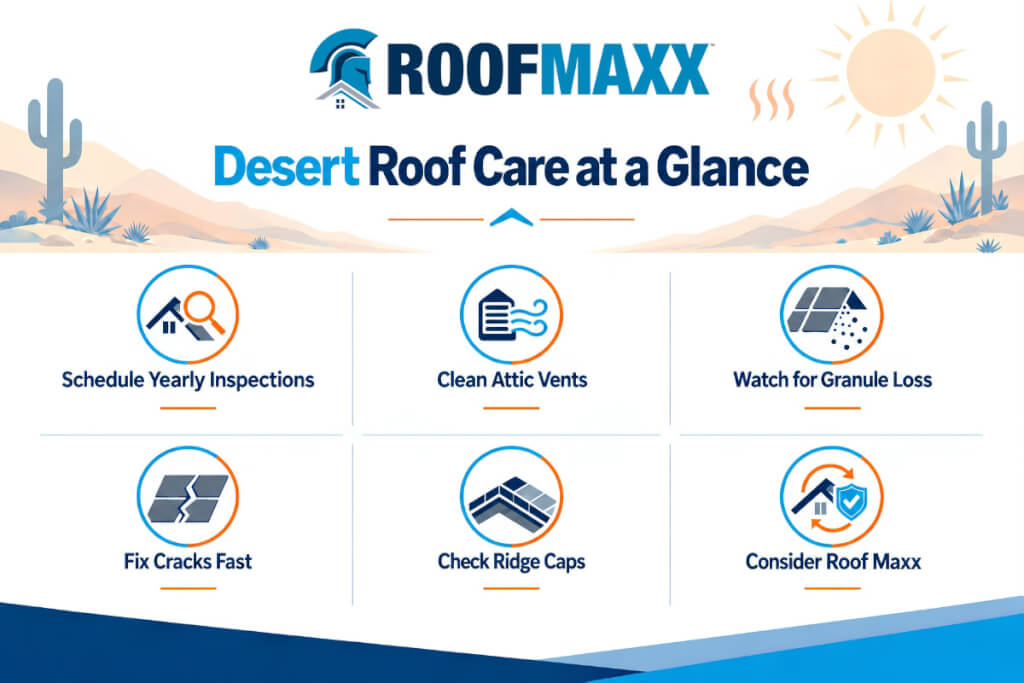
| Clean and repair attic intake and exhaust vents | Spring or fall | Your Roofer |
| Schedule professional soft-washing | As needed | Your Roofer |
| Trim overhanging trees and landscaping | Yearly | You / An Arborist |
| Secure loose or lifted shingles | Right away | Your Roofer |
| Replace cracked or split shingles | Right away | Your Roofer |
| Reseal loose or lifted ridge caps | Right away | Your Roofer |
| Replace damaged ridge caps | Right away | Your Roofer |
| Schedule a Roof Maxx assessment | As needed | Roof Maxx Dealer |
All asphalt shingles have a fine layer of granules on the surface that stops UV rays from reaching the vulnerable asphalt underneath them. The soft, sticky asphalt in the core acts like glue and holds them firmly in place when they’re new, but the strength of that grip weakens as it ages and dries out.
That’s when you’ll start to notice:
It’s normal to experience a small amount of granule loss after you first put the roof on or after heavy rain, so don’t assume all is lost if you do occasionally find a little here and there. Never overlook a sharp and sudden increase in shedding or bald patches, as it’s a red flag that something is wrong with the roof.
Get the full scoop on granule loss in this guide.
How to Slow Granule Loss
Granules matter more in the desert because they shield your shingles from UV radiation, but the high temperatures and arid conditions can dry out the asphalt that holds them in place fast. Once they fall off, you can’t replace them, so prevention is the only real option.
You can slow it down considerably by:
Roof Maxx treatments can effectively re-soften the asphalt core so it adheres to the surface granules more securely for up to 80% less than the cost of a new roof. The only catch? Your roof won’t qualify if the loss is already widespread, so find a dealer in your area now to get your free hands-on roof assessment before it’s too late.
Cracking is a serious risk in the desert because the surface of the roof can easily hit 150°F during the day, then fall back toward 70°F after sunset. Swings like these trigger intense thermal cycling that can force softening oils up and out of the asphalt core over time.
The older your shingles, the more likely you are to notice:
Most people assume this problem only happens to homeowners who live in areas that experience extreme cold, since the swings are often more dramatic. In reality, it’s more about how often they happen, even if the temperature’s just changing from “hot enough to fry an egg” to slightly less stifling.
How to Address Shingle Cracking
Unlike granule loss, isolated cracks on shingles can sometimes be repaired, but the easiest fix is usually to replace the affected shingle completely. If it’s widespread, most roofers will recommend replacing the entire roof instead, but preventative maintenance will cost you a whole lot less.
To significantly lower your risk for cracks:
Roof Maxx’s multi-step roof restoration process can help you keep the roof flexible so cracks are less likely to occur, but it won’t help you resolve them after the fact. For that, you’ll need to work with one of the many dealers within our network that also offer on-the-spot repairs through an optional Roof Tune-Up.
Every pitched roof has a ridgeline: the point where two slopes meet. It’s usually the highest point on the roof. Ridge caps are really just normal shingles installed in an inverted U-shape over the seams, but the bend itself becomes a natural stress point, so it’s more prone to failure than the rest of the roof.
If the shingles in this area start to break down, you might notice:
Unlike granule loss or cracking, it’s usually more effective and affordable to replace a few damaged ridge caps than it is to try and repair them. Prevention-wise, anything that benefits your shingles will also improve the health of your ridge caps because they’re made from the same material.
How to Address Ridge Brittleness
Ridge caps are directly exposed to the sun every day, so yearly inspections are especially important. Catching brittleness early is the best way to buy yourself time to intervene before replacement becomes the only practical option.
Most roofers will typically recommend:
Shingle rejuvenation is the perfect preventative care solution because it can effectively replace the petrochemical oils in your shingles with safe, all-natural oils. A ridge cap that still has enough flexibility is much less likely to crack or break in the first place, saving you money on repairs long-term.
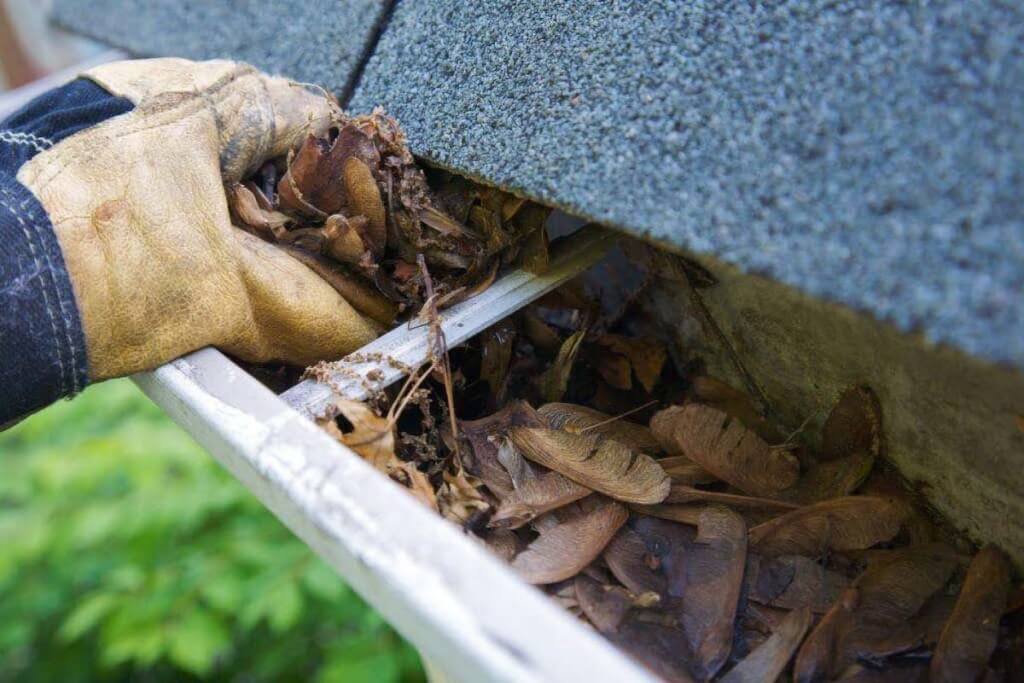
Gutters can sit almost completely dry for months in the desert, but when the rain does finally roll in, it typically comes down hard and fast. It only takes one monsoon or a sudden downpour for a minor clog or loose fasteners to turn into spillover and flooding at the worst possible time.
To make sure they’re ready for anything:
Your main goal is to ensure that water can fall down off of the roof and move away from your foundation before the next storm hits. Skip it, and you might end up dealing with a much bigger repair job after just a few minutes of heavy rain and strong winds.
Need more guidance? Learn how to properly clean your gutters in 3 minutes or less.
| Maintenance Item | Recommended Timing | Who Handles the Work? |
|---|---|---|
| Gutter cleaning | May and October OR after every storm | You |
| Downspout flushing | At least twice a year OR anytime drainage slows down | You |
| Gutter repairs | As needed | Your Roofer |
| Drainage and grading corrections | As needed | A Landscaper |
| Post-storm cleanup | After severe weather | You |
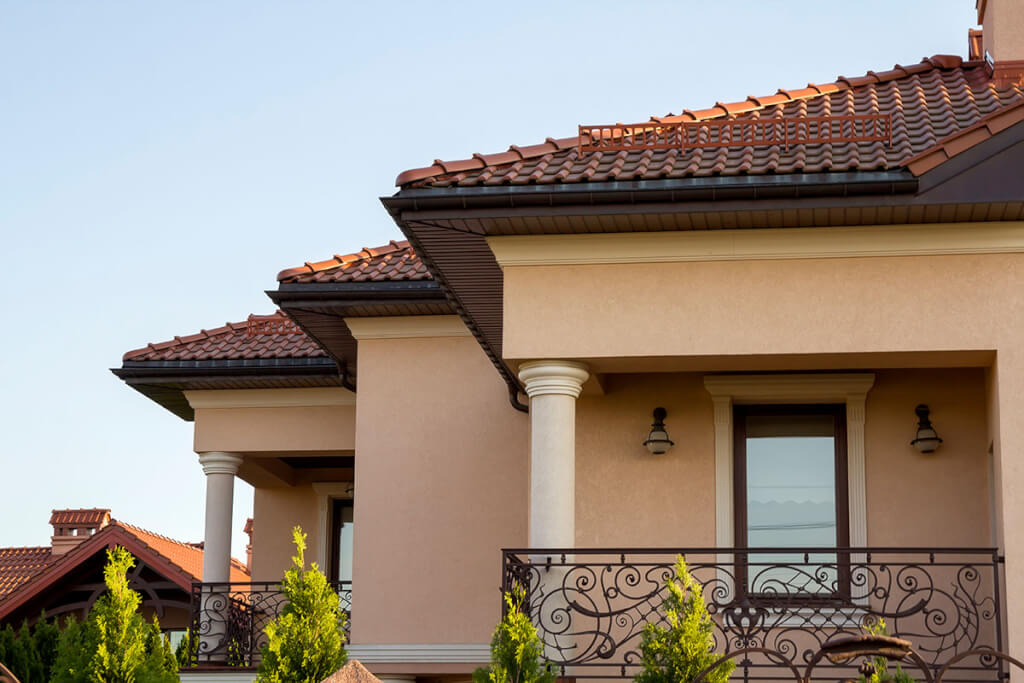
Constant UV exposure can fade the paint on your exterior and the color of any siding fast, and in the desert, there’s a whole lot more of it to go around. High temperatures make matters worse by drying out finishes or coatings, making them crack, peel, or develop unsightly blisters.
To keep your exterior in good condition:
It’s usually best to follow the maintenance and repainting schedule recommended by the manufacturer, but desert conditions can shorten their lifespan considerably. Options like 100% acrylic exterior paint or factory-finished fiber cement siding tend to hold up better under intense heat and UV exposure.
If you have a second home near the ocean, or know someone who does, the advice couldn’t be more different. Learn the best ways to protect coastal homes here.
| Maintenance Item | Recommended Timing | Who Handles the Work? |
|---|---|---|
| Paint touch-ups | As soon as cracking, peeling, or chalking develops | You / A Painter |
| Siding repairs | As soon as cracks or damaged sections develop | A Contractor |
| Surface prep and repainting | As needed | You / A Painter |
| Full exterior repainting | Every 5–12 years OR sooner if the finish begins to fail | A Painter |
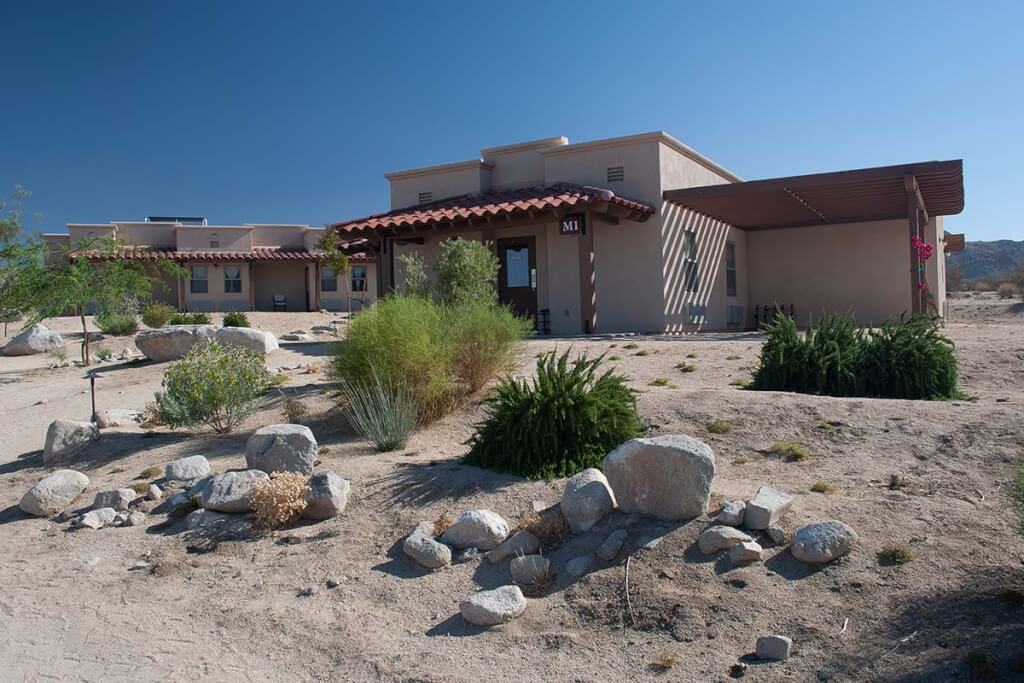
The soil in the desert moves and shifts significantly more often than most people expect. Clay-rich earth shrinks down during long dry spells and swells again when the rain finally rolls in, forcing your foundation to move with it. Sandy or rocky soil doesn’t move as much, but washes out far more often.
A little bit of shifting is normal and expected, but when it happens too often, it can change the grading around your home. In severe cases, you might end up in a situation where water starts pooling up against the foundation or it cracks seriously enough to jeopardize the stability of your entire home.
To reduce the risk of serious issues like these:
Experts sometimes recommend lightly watering clay-rich soil every few days during dry spells. We don’t recommend doing this until you confirm your soil type, because if the ground collapses, you might actually make the situation worse. A quick call to a local landscaper will get you the info you need.
| Maintenance Item | Recommended Timing | Who Handles the Work? |
|---|---|---|
| Seal small, stable foundation cracks | Right away when needed | You / A Foundation Contractor |
| Regrade the earth around the foundation | Whenever the ground no longer slopes away from your home | A Landscaper |
| Install downspout extensions | If runoff discharges too close to the home | You / A Gutter Pro |
| Moisten the soil around the home with water | As needed (typically most noticeable in a drought) | You |
| Redirect sprinklers away from the foundation | Always | You / A Landscaper |
| Schedule a structural evaluation | Whenever you suspect a serious issue | A Structural Engineer |

Extreme heat can be surprisingly hard on your windows and doors, and that’s a big deal because damaged seals let heat in and cooled air out. Everything from the frames to the caulking and weatherstripping around them and even the glass itself can heat up, shrink, and dry out over time.
To keep them in good condition as the years roll by:
Fungal rot is much less common in arid climates, so you’re much less likely to find it on fixtures like these, but heat and UV radiation can cause very similar damage. You can usually just sand away tiny surface cracks and then paint over them. Once the wood goes soft or starts crumbling away, it’s time to look at replacing the door or window completely.
Planning to upgrade in the near future? Learn how the best energy-efficient windows and doors can help reduce indoor heat gain and lower your cooling costs at the same time.
| Maintenance Item | Recommended Timing | Who Handles the Work? |
|---|---|---|
| Replace worn or damaged weatherstripping | Spring and fall | You / A Handyman |
| Reseal exterior gaps with flexible exterior-grade sealant | Spring and fall | You / A Handyman |
| Adjust or repair sticking windows and doors | Right away | A contractor |
| Repair or replace fogged double-pane windows | As soon as you notice fogging | A Glazier / Window Contractor |
| Install exterior shades or awnings | Anytime | You / A Contractor |
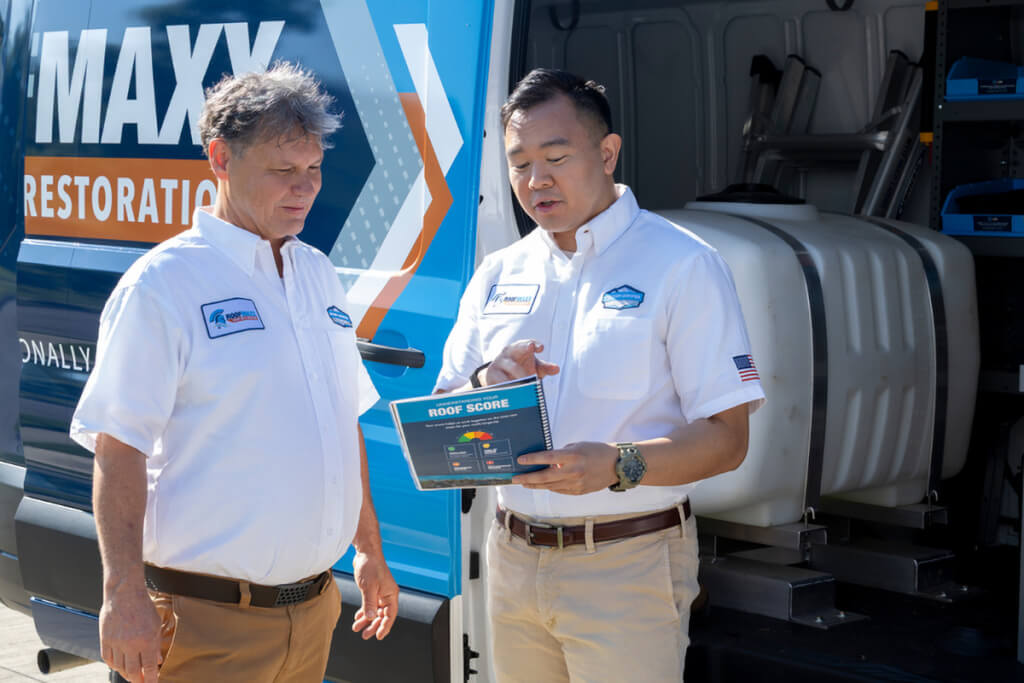
Desert home maintenance works best when you stay ahead of small problems instead of waiting for the damage to become visible. Use the schedules and tips in this article to start building a tailored maintenance strategy, then get more in-depth info on caring for your home in our learning hub.
Ready for a future where your asphalt shingles last up to five years longer, even in climates like these? To find out if Roof Maxx can help you save big bucks on roof care, schedule a free roof assessment.
Yes! Desert storms can produce a large amount of runoff in a short time, and that water still needs somewhere to go. The last thing you want is for it to pool up around your foundation. Gutters and downspouts help move it away before it can saturate the ground, or worse, erode it completely.
Fiberglass, cellulose, and spray foam all work well in hot, dry climates. What matters even more than the type you pick is how they’re installed and whether you have enough of it in place. The best way to find out for sure is to consult with a local expert who understands the needs of homeowners in your situation.
Maybe. We recommend booking your first roof assessment by around year 7-10 or when the roof is starting to look visibly older, but you’re welcome to book a check anytime. Asphalt shingles do typically age faster in desert climates, so it’s possible that you might need to treat sooner, but not guaranteed.
Definitely! Age alone doesn’t determine if you’re a good candidate for roof restoration. In fact, we regularly treat roofs 25-30 years for clients all across the country. The catch is that your shingles still need to be in generally good condition. If you already have rot, structural damage, or other advanced issues, you may need to repair the roof or just replace it instead.




With our five-year, transferable warranty, you’ll enjoy the peace of mind that your roof and entire home are protected.