
The best way to protect coastal home exteriors is to install corrosion-, moisture-, and salt-resistant materials with excellent wind and storm ratings. Architectural asphalt, aluminum, coated steel, and clay or concrete tile are strong choices for the roof, while fiber cement works well for siding. For gutters, it’s best to go with seamless aluminum with a marine-grade coating or copper instead. No matter which material you go with, you still need to make regular maintenance and care a priority.
| Time to Read |
|
| What You’ll Learn |
|
| Next Steps |
|
Ask anyone who’s lived by the ocean for most of their life, and they’ll probably tell you they wouldn’t trade it for all the gold in the world. The views, the fresh air, the sound of the water, and the slower pace of life are incredibly hard to give up once you get used to them.
If you could ask the average coastal home the same question, they’d probably deliver a very different answer. Years of exposure to salty air, high humidity, strong winds, heavy rain, and the sun in zones like these can wreak havoc on everything from the exterior to the foundation underneath it.
The good news is that constant repairs don’t have to be a way of life anymore. In this guide, you’ll learn why the damage happens, which materials can best weather the storm, and how Roof Maxx can help.
We made a quick video to explain the unique challenges coastal homes face and what owners can do to protect their investments.
Watch this video to learn:
Need more details after watching? Read the article below.
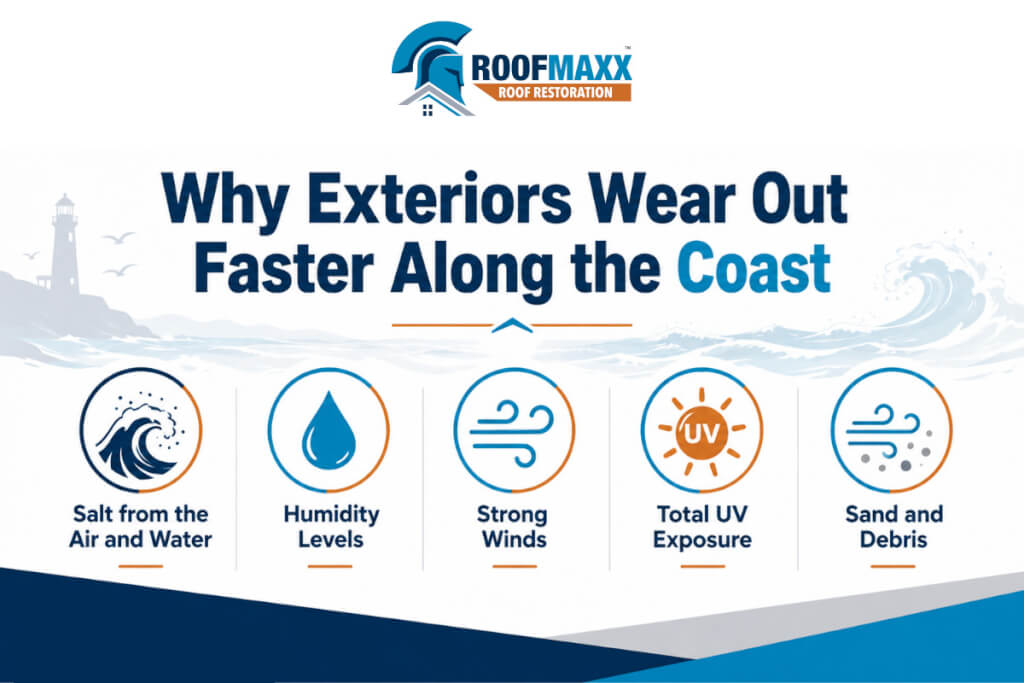
Coastal homes are exposed to the perfect storm of environmental stressors that can accelerate wear on almost every part of your exterior. In fact, it’s common for homeowners to be taken by surprise when the materials suddenly wear out or fail long before they should.
It’s an assault that comes from every direction:
The closer your home is to the water, the faster problems like these tend to develop. Even a few hundred feet of extra distance from the shoreline can make a noticeable difference.
Get Answers: What Can You Do to Prepare Your Home for Hurricane Season?
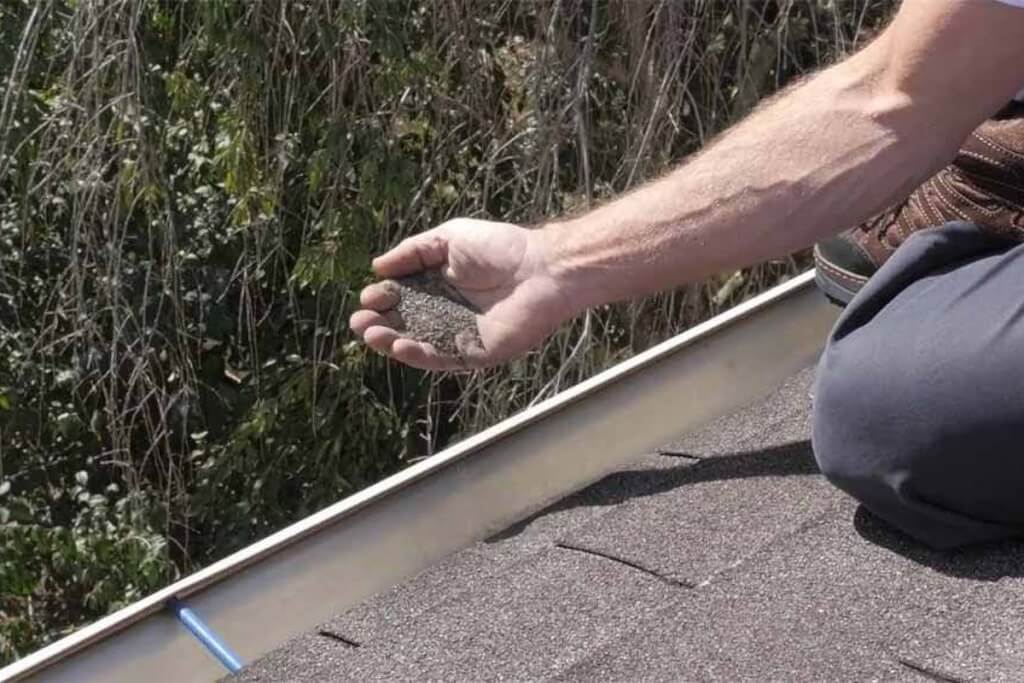
Asphalt shingles are made from a mix of asphalt softeners (called maltenes) and harder compounds like fiberglass. The surface is covered with a layer of ceramic or limestone granules that create a barrier between the asphalt core and help reflect solar radiation away from the roof.
Each layer works together to provide protection:
Almost every condition specific to coastal environments can speed up the aging process or cause direct damage to one or more of these layers. Get the specifics fast in this scannable chart:
| Coastal Condition | What’s Affected? | How Damage Starts | The First Symptom | Main Risk | Best Protection |
|---|---|---|---|---|---|
| Salt spray | Granules + asphalt | Salty moisture weakens granule adhesion | Extra granules in gutters | Exposed, brittle asphalt | Regular rinsing + inspections |
| Strong UV exposure | Asphalt + maltenes | Heat and sunlight accelerate oxidation | Fading, curling, stiffness | Cracks and flexibility loss | Preserve granule coverage |
| High winds | Seals + shingle tabs | Uplift breaks adhesive seals | Lifted or flapping edges | Blow-offs and leaks | High-wind shingles + repairs |
| Wind-driven rain | Seams + underlayment | Water enters beneath lifted areas | Damp decking or attic stains | Leaks and wood damage | Secure shingles + sound flashing |
| Saltwater intrusion | Nails + flashing | Chlorides attack protective metal coatings | Rust or staining | Weak fasteners and flashing failure | Corrosion-resistant hardware |
| Persistent humidity | Shingle surface | Dampness lingers between weather events | Moss, algae, dark streaks | More moisture retention | Cleaning + good drainage |
| Blowing sand/debris | Granule layer | Abrasion scours the surface | Bald or worn patches | Faster UV exposure | Debris removal + inspections |
| Repeated water intrusion | Roof deck | Moisture reaches the wood underneath | Soft spots, sagging, stains | Swelling, rot, structural damage | Prompt leak repair |
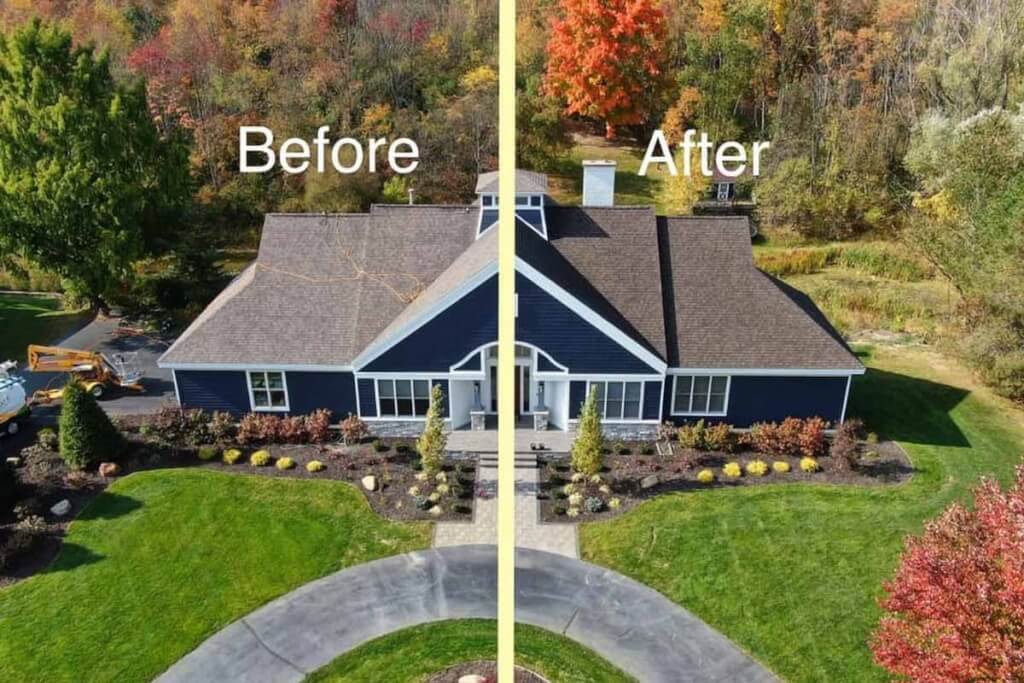
The more your shingles dry out over time, the more likely they are to crack, break, or even come off the roof completely in the next storm. Add salty air, blowing sand, snow and ice, high winds, and hurricanes to the mix, and it’s easy to see how a coastal roof can go from fine to failure in no time flat.
Roof Maxx’s multi-step restoration process that can effectively roll back the clock and help you get more life out of your asphalt shingle roof at the same time, even if you live by the coast.
It only takes a single treatment to:
As long as your shingles are still in generally good condition, you likely qualify! Want to find out for sure and get the advice you need to keep your shingles performing well? All you have to do is get a quote.
*Some roofs qualify for additional treatments. Your local Roof Maxx dealer will let you know and suggest when to schedule your next review if that’s the case for you.
So, now you know the scope of the problem. The next step is figuring out which roofing materials can survive coastal conditions better from day one and what you need to know before investing in them.
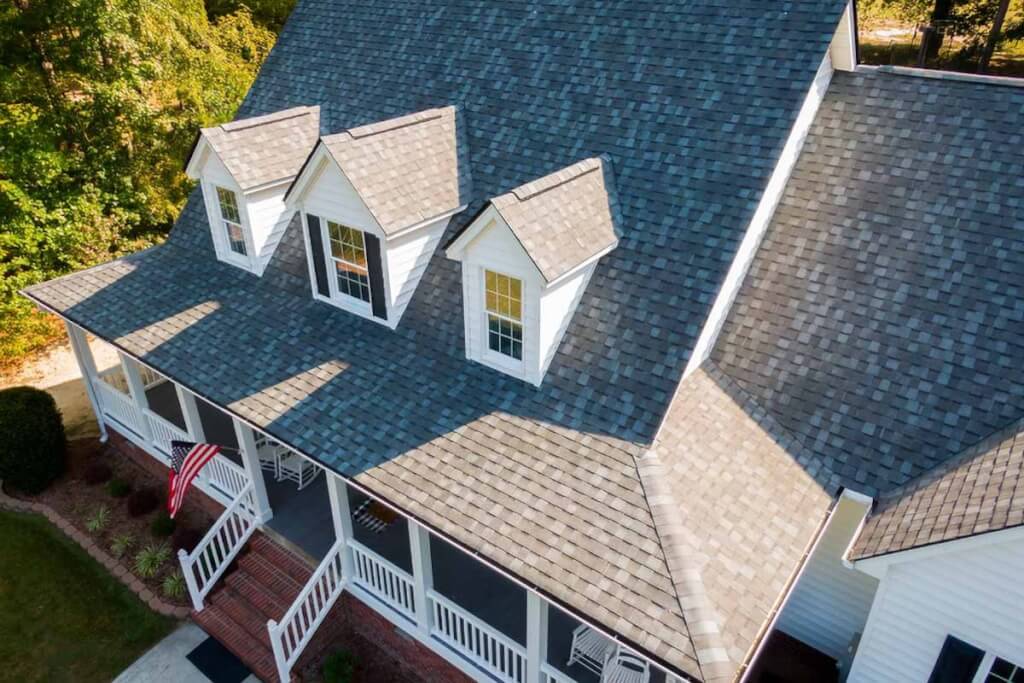
Asphalt is affordable, available in many different colors, and looks nice on just about every home type, but they’ll only last for you along the coast if they’re installed properly and have a decent wind rating. Ideally, you want to go with architectural shingles instead of 3-tab because they hold up better.
Who Are They For? Homeowners who want an affordable roof and don’t mind staying on top of a little maintenance here and there.
| Typical Price | |
| Specs to Look For |
|
| Brand Examples |
|
| Limitations | Less resistant to coastal wear and generally shorter-lived than options like metal or tile |
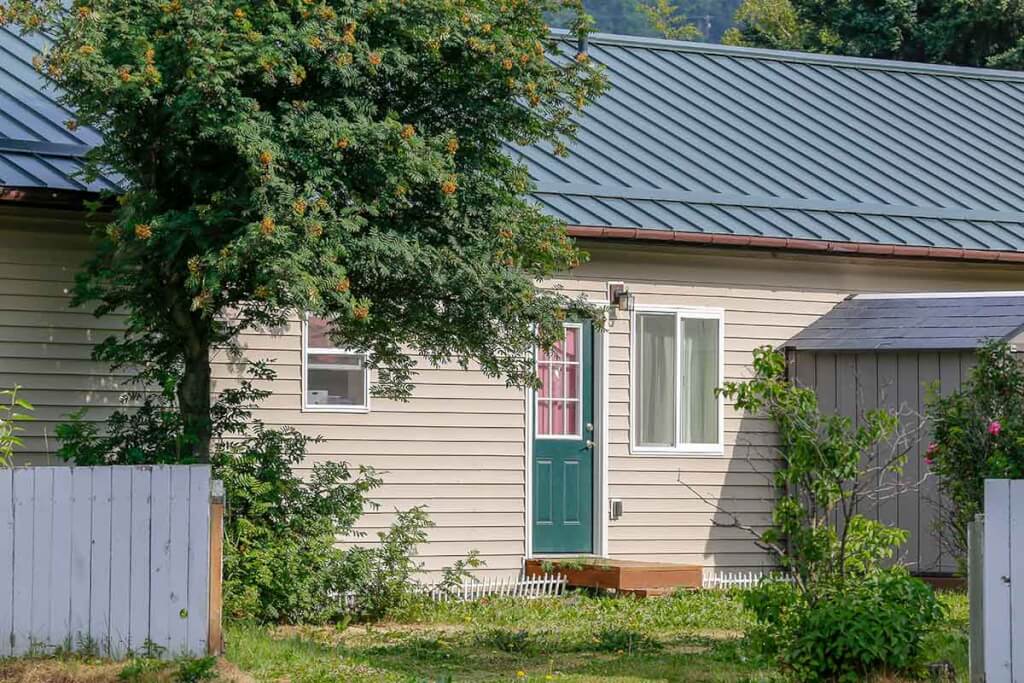
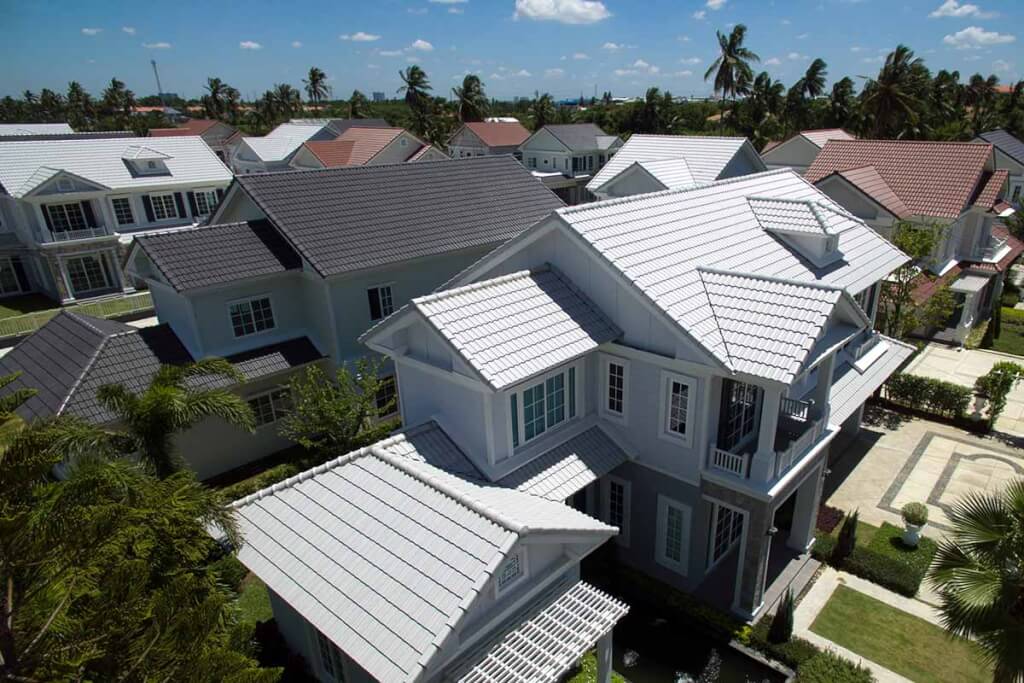
Aluminum is a strong upgrade for coastal homes because it can last for decades without developing rust or corroding. It’s also lightweight, which is ideal if your home can’t support heavier materials like stone or tile. Standing seam panels are the best option.
Who Is It For? Homeowners who love the look of metal that don’t mind spending a little more upfront.
| Aluminum Panel Roofing: What You Need to Know | |
| Typical Price | |
| Specs to Look For |
|
| Brand Examples |
|
| Limitations | Aluminum is expensive and doesn’t resist impacts from hail as well as architectural asphalt or steel. |
Coated standing seam steel is one of the toughest roofing options for coastal homes because it holds up extremely well against high winds, hail, and flying debris. It’s a specially engineered sub-category of standard steel, which can corrode when exposed to salt.
Who Is It For? Homeowners who want a tough metal roof with better impact resistance and rust-resistance that’s still relatively affordable.
| Coated Steel Roofing: What You Need to Know | |
| Typical Price | |
| Specs to Look For |
|
| Brand Examples |
|
| Limitations | Scratches and cut edges may lead to corrosion, which can spread. Some products also aren’t warrantied for use near breaking surf. |
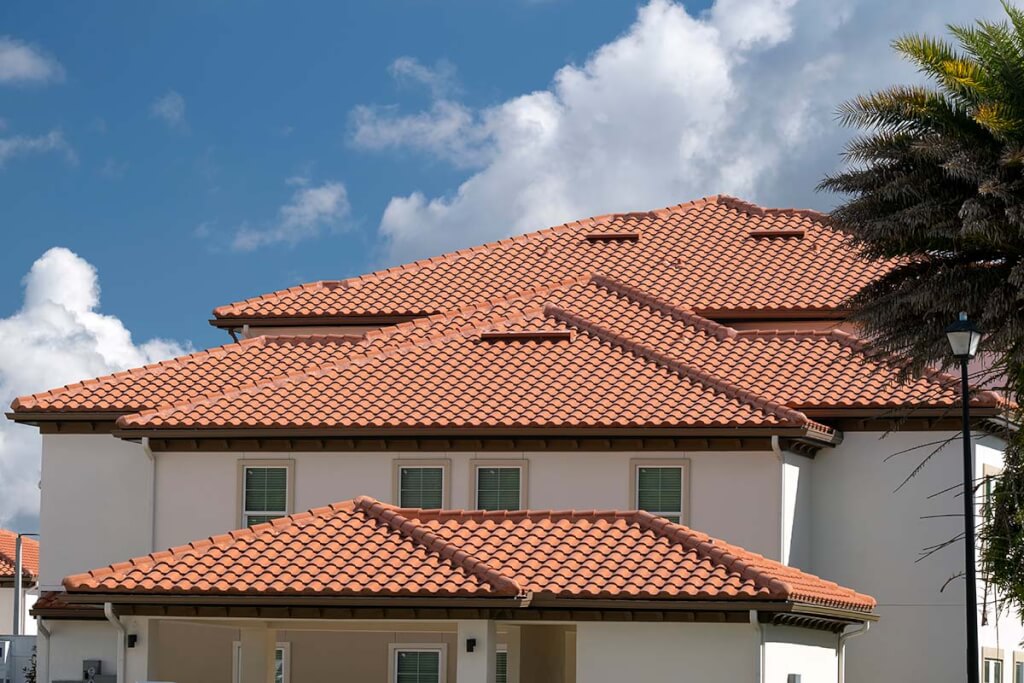
Clay and concrete tiles are naturally resistant to salt, moisture, and UV exposure right out of the box, so they’re a strong choice for coastal homes. A bad install with the wrong attachment system can make them more vulnerable to wind, so look for an installer who has direct experience with tile roofing.
Who Is It For? Homeowners who are willing to spend a little bit more upfront for a roof that lasts much longer and delivers a premium look.
| Clay and Concrete Tile Roofing: What You Need to Know | |
| Typical Price | |
| Specs to Look For |
|
| Brand Examples |
|
| Limitations | Tile is heavy and brittle, so some homes may need to be assessed by a structural engineer and/or structurally reinforced first. |
Your roof isn’t the only part of your exterior that takes a beating when you live by the ocean. Local conditions can also wreak havoc on your siding, trim, gutters, and windows as well as the hardware that keeps them securely in place.
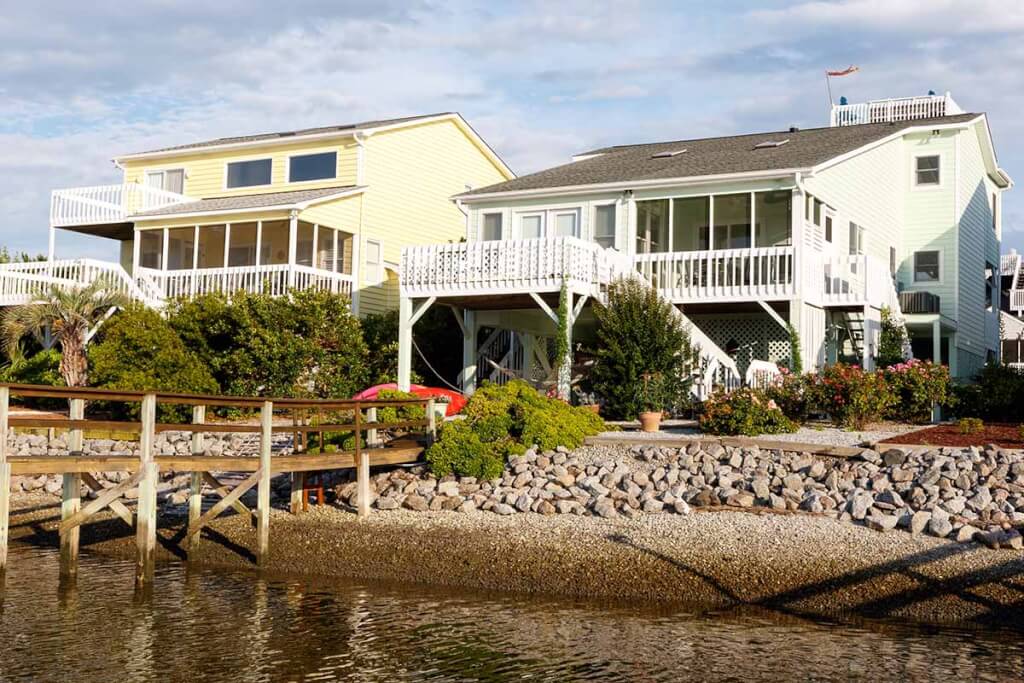
Materials that resist moisture and corrosion usually require less upkeep along the coast. The best options are fiber cement, vinyl, and cellular PVC. Wood and metal are also an option, but they may need to be pre-coated, painted, or stained before they go on.
Learn how to pick the best option in our guide:
The Best Siding for Different Home Types
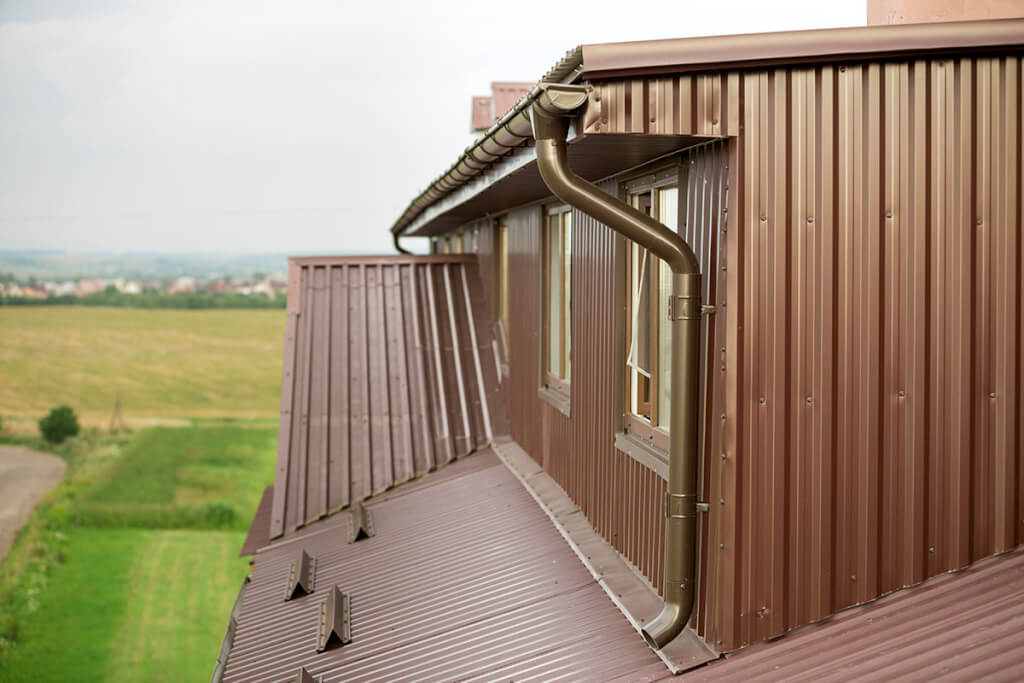
Gutters near the coast tend to wear out faster because salt can corrode the fasteners, hangers, seams, and other metal parts that keep them securely in place. The best option is usually aluminum or copper, but you can’t just pick the first product you see on the shelf. Thickness, finish, and sizing are all important.
Learn more about routine gutter and downspout care in these two guides:
How to Clean Your Home’s Gutters
ProTip: Ice dams aren’t caused by your gutters. See how to prevent them here.
Coastal roofs generally need more frequent checks than inland roofs because salt buildup, corrosion, wind-driven debris, and severe storms can create problems between annual inspections.
We created this coastal maintenance tracker to help you map out the best approach to maintenance. Of course, checklists like these have a funny way of sounding memorable right up until you get a little distracted by life and close the tab, so bookmark it or use the button below to print your own copy.
Download the Coastal Homes Roof Maintenance Tracker
| Time of Year | What to Do |
|---|---|
| Early Spring | Inspect the roof from the ground; clean gutters and downspouts; trim nearby trees |
| Early Summer | Schedule roof repairs; look for algae or moss stains; check ceilings and attic for moisture; clear debris around drainage areas |
| Mid-Summer | Inspect the roof from the ground; look for rust or staining; check for algae or moss stains; rinse with fresh water if required |
| Early Fall | Inspect the roof from the ground; look for rust or staining; clear fallen leaves near the roof edge; check for algae or moss stains |
| Before Storm Season | Finish outstanding roof repairs; clean gutters and downspouts; confirm downspouts drain properly; secure loose outdoor items |
| After Storms | Schedule repairs for storm damage; clear gutters and downspouts; inspect the roof from the ground; check nearby trees for broken limbs |
| Winter | Inspect the roof from the ground after storms; check ceilings and attic for moisture; watch for ice dams or blocked drainage; call a roofer for snow, ice, or storm damage |
| Once a Year | Schedule a professional roof inspection |
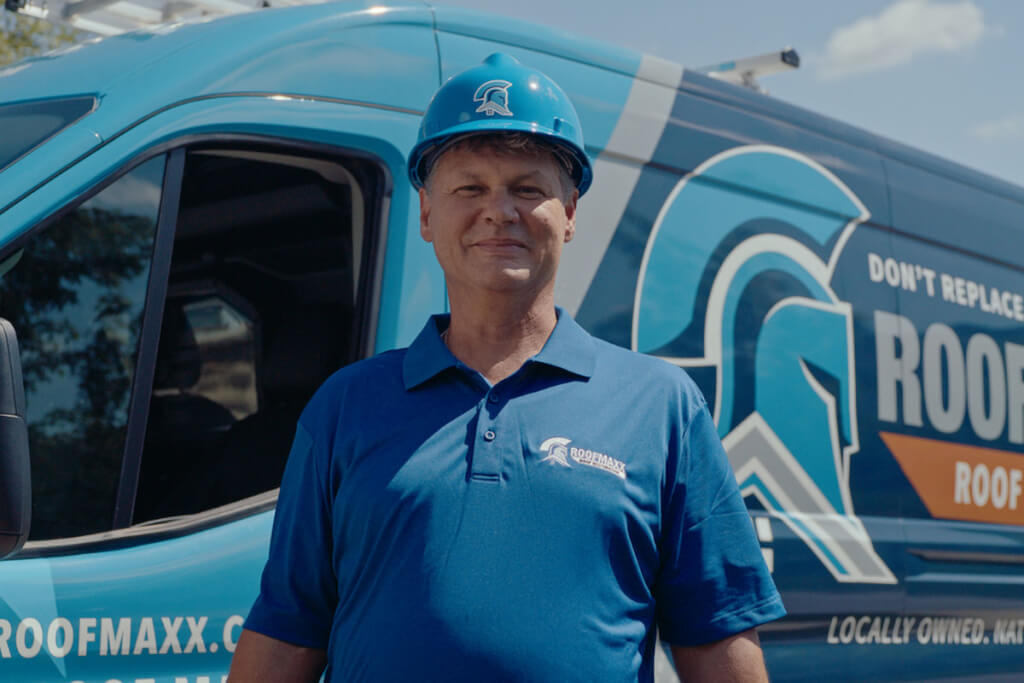
Living by the coast comes with its own set of roofing headaches, but when it comes to your shingles, there’s no better person to lean on for help than your local Roof Maxx dealer. Most of our dealers live and work in the same areas they serve and understand what’s at stake in tough conditions like these.
No matter which coastline you’re on, the best way to extend the life of your aging roof is to get a roof assessment and make Roof Maxx a part of your maintenance plan. Find a dealer near you to learn more.
Have your coastal roof professionally inspected at least once a year and after major storms. Salt, wind, and moisture can cause damage faster than they typically would farther inland.
Aluminum, coated steel, clay tile, concrete tile, and architectural asphalt shingles can all work well near the coast when properly specified and installed. The best choice depends on your budget, wind exposure, salt exposure, and how much maintenance you want to deal with.
Salt and moisture can weaken granule adhesion and speed up corrosion around nails, flashing, and other metal components. Once those granules are lost and you have bald patches, it’s too late for restoration, which is why it’s better to prevent it with Roof Maxx.
Fiber cement, vinyl, and cellular PVC are strong choices because they resist moisture and require less upkeep than many wood or metal products. Coastal homes should also use corrosion-resistant fasteners and manufacturer-approved coatings where required.
Coastal gutters should be cleaned at least twice a year and checked again after major storms. Salt, sand, leaves, and storm debris can block drainage or speed up wear on finishes and hardware.
Yes, if the shingles are still in good enough condition to qualify for restoration. Roof Maxx can help restore flexibility, slow granule loss, and add up to five more years of life per treatment.


With our five-year, transferable warranty, you’ll enjoy the peace of mind that your roof and entire home are protected.