

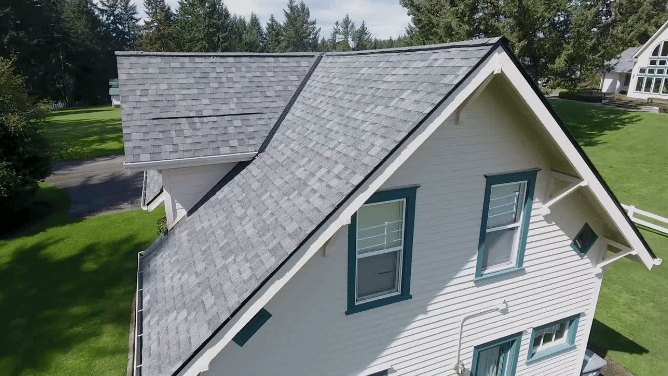
A roof assessment is a thorough inspection of the entire roofing system. A local pro looks for obvious and hidden signs of damage, leaks, age-related wear, and other vulnerabilities that could lead to costly repairs or an early replacement.
Roof Health Checks like these are an important part of roof maintenance, because problems often start as a whisper rather than a shout. A minor leak can stay hidden for years until it becomes a much bigger, more expensive problem than you bargained for.
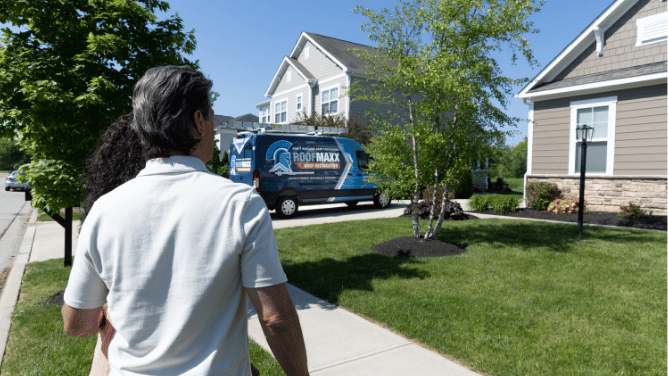
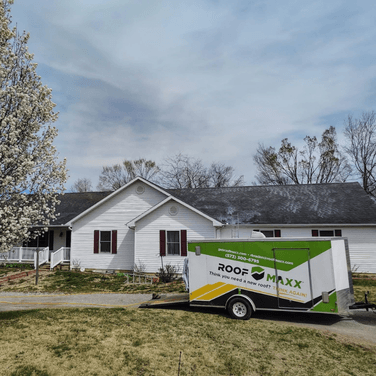
An assessment doesn’t just flag problems — it points to the fix. Here’s a roof that scored a 2 of 4, after its recommended repairs and a Roof Maxx treatment.
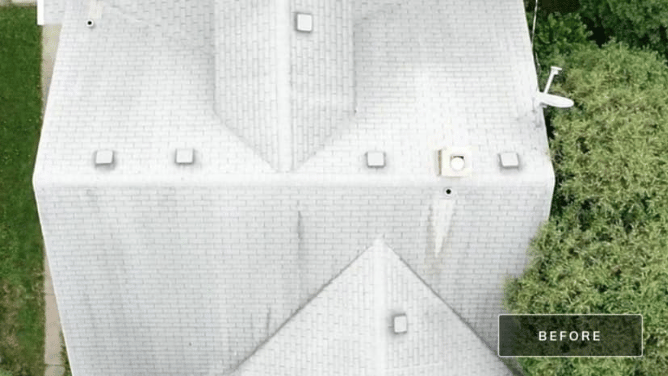
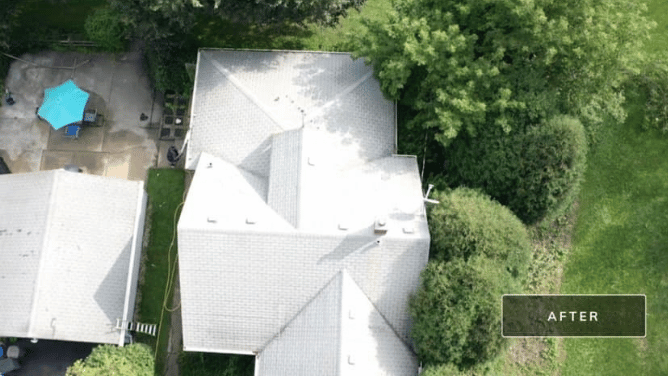
Every asphalt shingle roof should be inspected annually, ideally in spring or fall. It’s the best way to catch repair needs before they become an emergency.
Storms, high winds, hail, and heavy snow all damage shingles. An inspection afterward catches problems early and documents them for insurance.
Pre-sale assessments establish the roof’s true condition, which protects buyers and sellers and makes sure there are no surprises.
A local roofing pro works through the whole system: shingles, moisture barrier, decking, ventilation, and structure. Choose a tab below to see exactly what they check.
Loose granules around downspouts signal shingles drying out or wearing down.
Dark streaks or water marks point to overflow, drainage problems, or leaks from above.
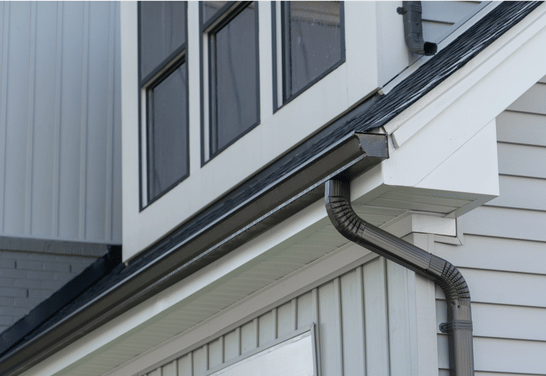
Sagging, clogged, or damaged gutters stop water draining off the roof properly.
Gaps that expose underlayment can lead to leaks, structural damage, or rot.
Dips and waves signal more serious problems, often from hidden moisture.
Flashing around chimneys, vents, and valleys is especially prone to hidden leaks.
Gables, dormers, and skylights penetrate the roof and need their own checks.
Dark streaks, moss, and uneven color point to trapped moisture or aging.
Leaves and twigs trap water against the roof and cause ice dams.
Shingles are inspected for flexibility and granule loss to help determine remaining life
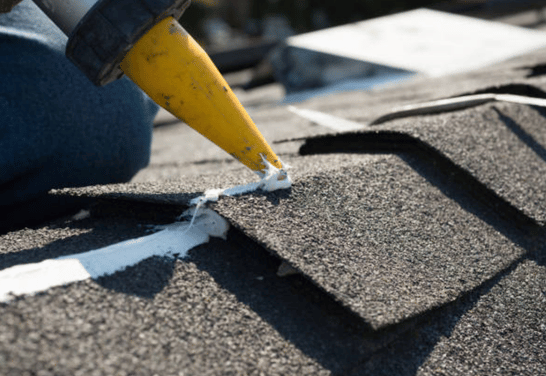
We inspect sealant strip adhesion to determine roof condition
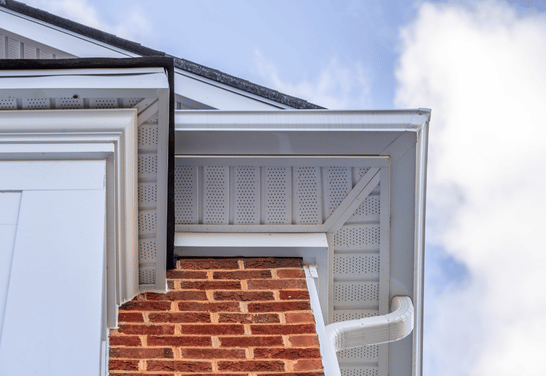
Joints, edges, and penetrations are checked for cracking and separation.
Loose or missing hangers let gutters pull away from the fascia.
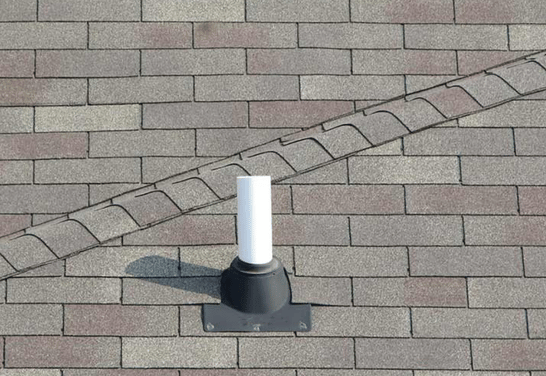
Cracked grommets around flashing screws create gaps where water gets in.
Soft decking underfoot signals rot, and catching it early avoids premature roof replacement.
Brown rings or patches point to active or past leaks, often offset from the source.
Wet or compressed insulation shows where moisture has entered the attic.
Musty smells or growth suggest trapped humidity or long-term leaks.
Poor ventilation builds heat and moisture that shorten roof life.
Darkened wood or moisture marks indicate ongoing water intrusion.
Excess moisture upstairs can mean poor ventilation rather than a leak.
OF 4 · FAIR
After every visit you get a plain-English report, so you know exactly where your roof stands and what it needs.
Inspecting matters, because it tells you what your roof really needs. No guesswork, just informed decisions about your roof.
| AREA OF IMPACT | No inspections | Occasional spot checks | Annual inspections | Annual + Roof Maxx |
|---|---|---|---|---|
| Early detection | None | Limited | Good | Excellent |
| Risk of early failure | High – issues go unchecked | High – some missed | Low – caught early | Very low – shingles last longer |
| Roof lifespan | Higher risk of early failure | Depends on condition | Depends on condition | Up to 15 more years of life |
| Savings over time | None | $$ | $$$ | $$$$$ |
Roof Maxx helps extend the life of asphalt shingles by 5 years per treatment, with eligible roofs qualifying for treatments at 5-year intervals for up to 15 years of added life. Minor repairs start around $150 but can exceed $20,000 if leaks force an early roof replacement.
Preventative treatment
replacement avoided
added roof life

Yes. Most asphalt shingle roofs should be inspected annually, plus after major storms and other weather events. Problems like small leaks, lifted shingles, and failed seals often start as a whisper and turn into a shout once the damage is severe.
Most inspections take aproximately 30 minutes. Larger roofs with steep pitches, multiple levels, skylights, or chimneys can take a little longer. Your inspector will let you know what to expect when they arrive.
Sometimes. If there are signs of hidden damage outside, they may ask to check your attic or crawl space for moisture stains, mold, or ventilation issues. Hidden leaks can affect your home’s structure over time.
A local pro, a Roof Health Score, and a clear plan. No obligation.
or call (800) 720-6172