

Guide: What to Expect During a Roof Assessment
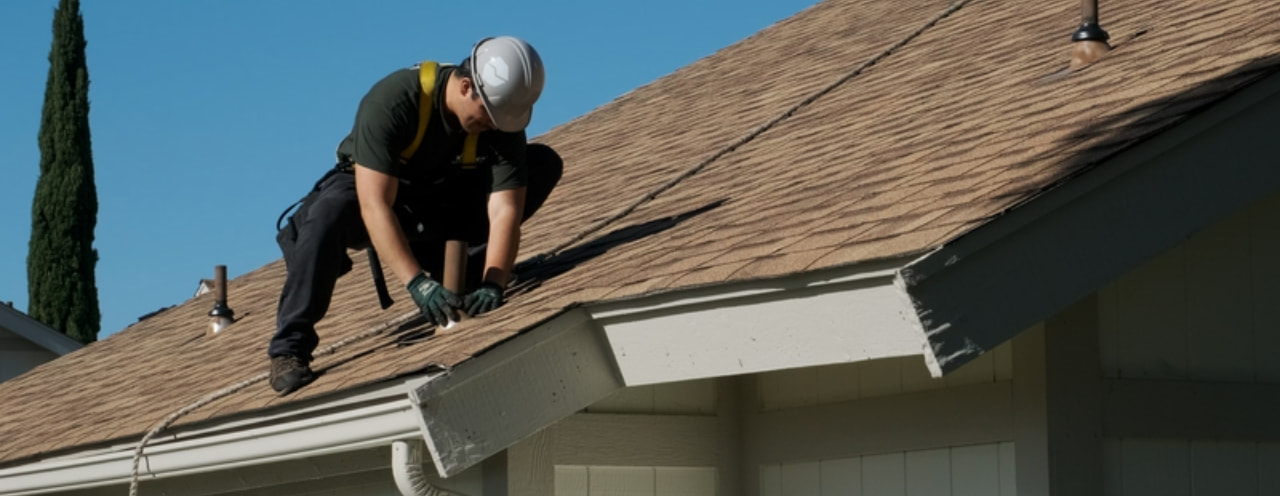
A roof assessment is a thorough inspection of the entire roofing system. Roof Maxx dealers look for obvious and hidden signs of damage, leaks, age-related wear and tear, and other vulnerabilities that could lead to costly repairs or an early replacement out of the blue.
Roof Health Checks like these are an important part of roof maintenance because problems often start as a whisper rather than a shout. A minor leak might stay hidden for months or years at a time until you’re suddenly faced with a much bigger and more expensive problem than you bargained for.
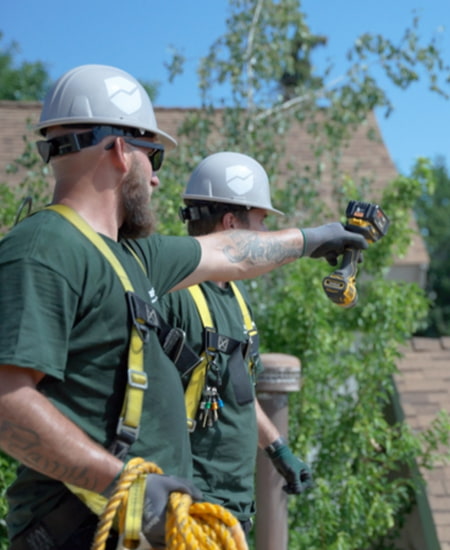
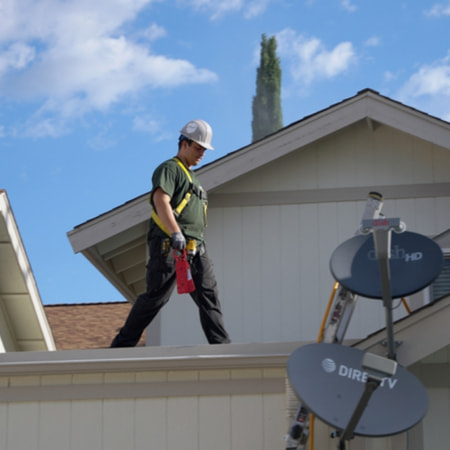
Technicians are generally looking for anything that can tell them about the age, appearance, and condition of your roof. It takes a sharp eye and years of experience to be able to diagnose problems accurately so they can be fixed before they get worse.
Shingles • Moisture Barrier • Decking • Ventilation • Structural Framework
Fact-finding is the first step in any roof assessment process. Technicians need the right information to properly understand the context of what they actually find, and this can help.
Your roof's installation date can tell us a lot about what to expect in terms of wear, condition, and remaining service life. The older the roof, the more likely it is to need repairs or replacement.
A patchwork of once-off fixes can sometimes point to deeper issues, especially if they were needed in the same place. They also tell technicians what's worked and what hasn't in the past.
Long gaps between inspections can allow small issues to spread unnoticed. Having your roof inspected every 1-2 years won't prevent every issue, but it does mean they're less likely to worsen.

Past leaks help identify vulnerable areas that may need closer attention. Even repaired leaks can sometimes return if the underlying issue remains.
High winds, hail, and falling debris can weaken roofing materials over time. If your roof was damaged in one or more of these events, the technician needs to know about it.
The type of shingles you have and overall design of your roof can affect how it ages. Some modern asphalt shingles can fail as soon as year 10, while others can last well over 30 instead.
A good technician will always walk the perimeter of your home before climbing up onto the roof itself. They're looking for red flags that point to safety risks or repair needs.
Loose granules around your downspouts or splash blocks are a strong indicator that your shingles are starting to dry out or wear down. They may also fill up your gutters.
Dark streaks or water marks on your siding can point to overflow, drainage problems, or leaks coming from above. They're useful clues before anyone sets foot on the roof.
Sagging, clogged, or damaged gutters prevent water from draining off your roof properly. Left unaddressed, they can cause moisture problems to develop along the roof edge.
Soft wood, peeling paint, or discoloration along your fascia and soffits are common signs that moisture is getting in somehow. The source is often hidden roof leaks around your flashing.
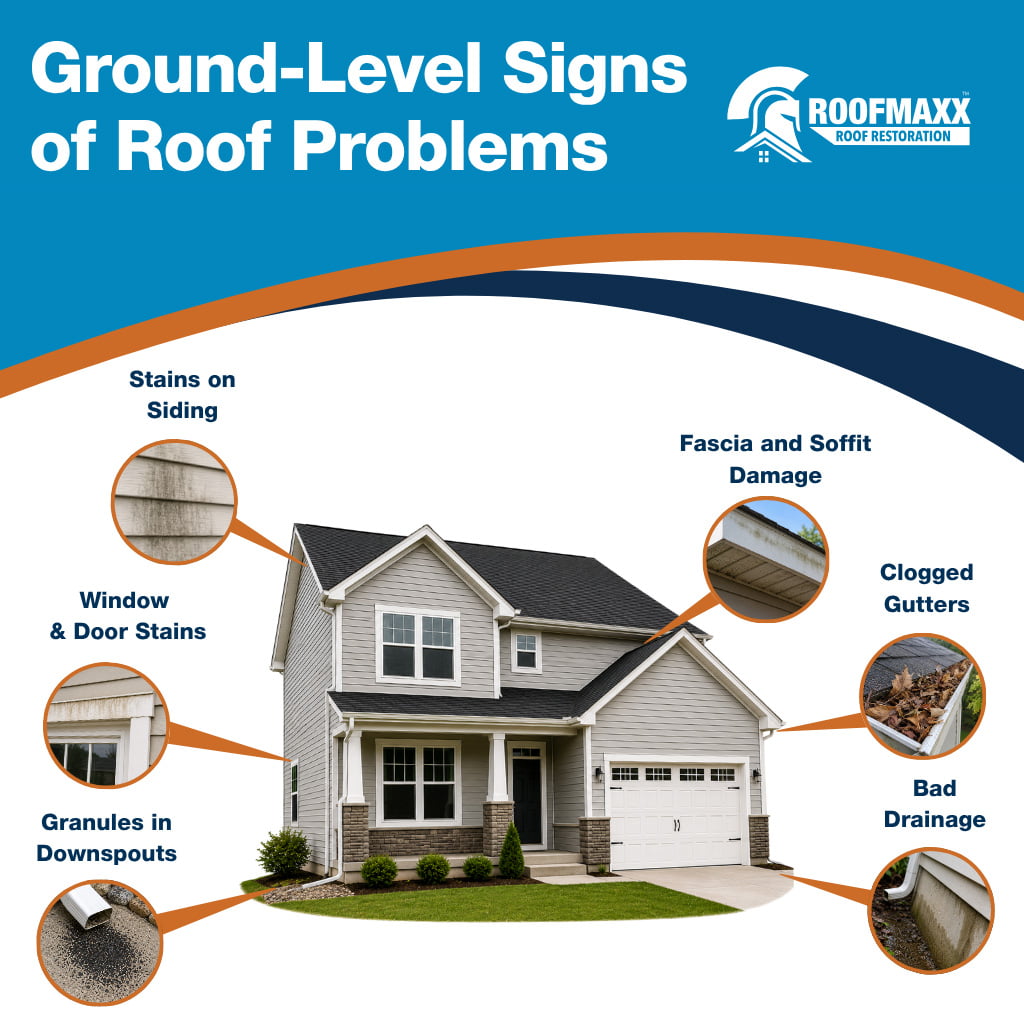
Water stains above window and door frames can tell your technician how water is moving down the outside of your home. It can also help us trace any leaks back to their source.
Pooling water near your foundation can sometimes be a sign that roof runoff isn't being directed away from your home properly. It should be addressed right away because it can have serious consequences.
Once it's time to proceed, the technician will put on safety equipment and climb up onto the roof. The next step is to visually inspect each exposed area of the roof for issues.
Missing shingles and gaps that expose your underlayment are one of the most common issues for homeowners in areas with high winds. This can lead to leaks, structural damage, or rot.
Dips, waves, or sagging areas along the roofline are a sign of more serious problems with your roof. One of the top causes is long-term exposure to moisture or hidden leaks.
Flashing is particularly vulnerable to leaks, especially around chimneys, vents, and valleys. It's common for roofers to find extensive hidden damage under areas like these.
Gables, dormers, and other special roof features must also be checked because they penetrate the roof in the same way. Some are also independently roofed with their own set of shingles.
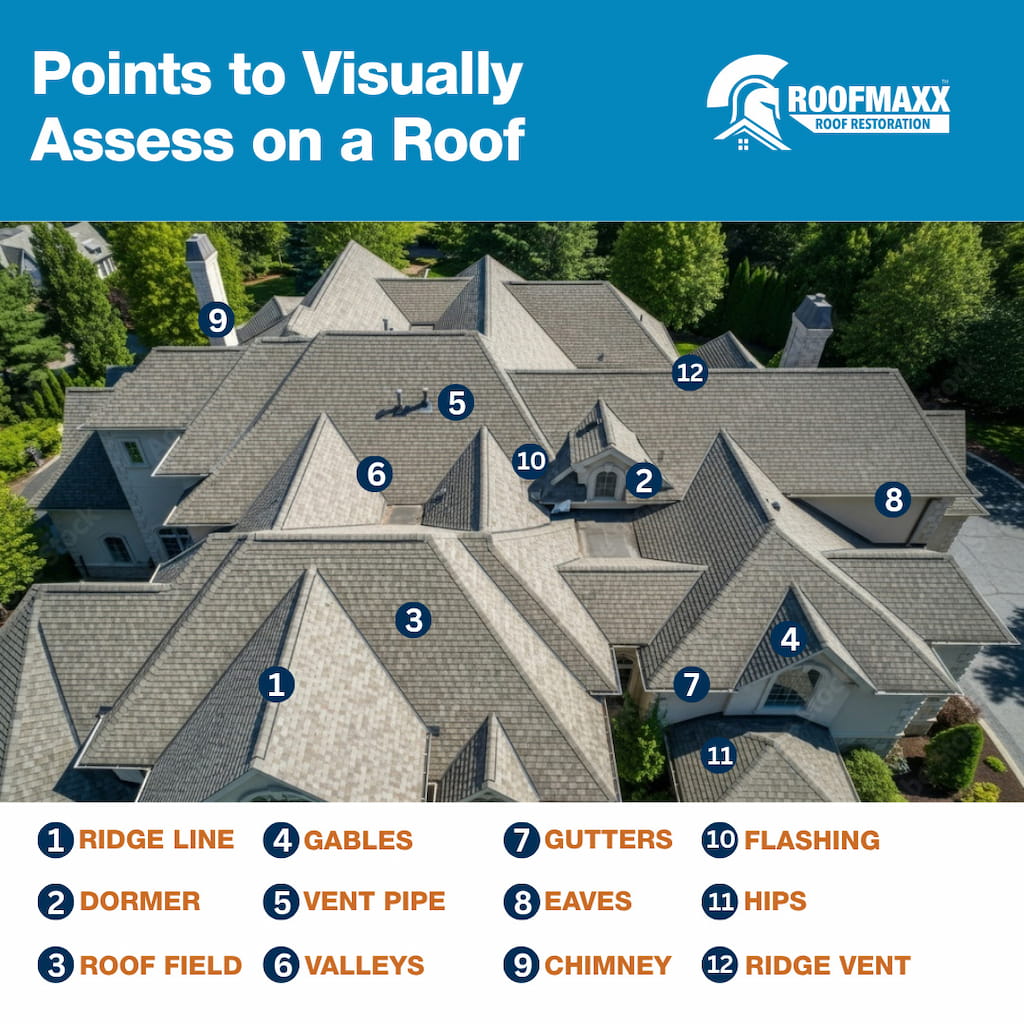
Dark streaks, moss, and uneven coloring are an indicator of trapped moisture, rot, or even just aging materials. It can also be a sign that water isn't draining off of your roof as it should.
Leaves, twigs, and branches trap water against the roof and are a major cause of ice dams. They can also cause water to pool up in warmer weather, which is a recipe for leaks.
Some issues can only be identified by getting up close and personal with the roof. Hands-on checks are the best way to detect issues with the parts of your roof that seem small, but can cause big trouble.
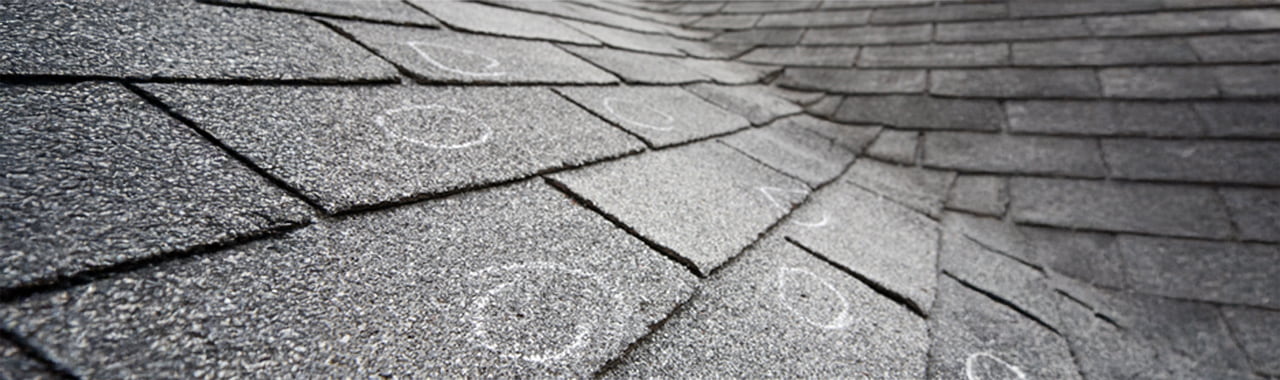
Each shingle is checked by hand for flexibility, durability, and ease of granule loss. This helps determine how much life is left in the shingle and how much a Roof Maxx treatment can help you.
The adhesive strips on the underside of shingles can dry out and lose their bond over time. Hand-sealing with roofing cement is the only effective fix when this happens.
The sealant around all joints, edges, and penetrations should always be checked for cracking, shrinkage, or separation. Failed caulking can cause big problems, but is also very easy to fix.
Loose or missing gutter hangers can cause gutters to pull away from the fascia, which prevents water from draining off the roof smoothly. Poor quality hangers may even break during a storm.
The rubber grommets around the screws that secure metal roof flashing in place can dry out and crack over time, creating gaps where water can get in. The good news is they're easy and affordable to fix.
Soft spots underfoot are a sign of damaged or rotting decking beneath the shingles. Finding them early can be the difference between a cost-effective repair and a total replacement.
Some inspectors will also ask to check your attic, crawl space, ceilings. This typically takes just a few minutes, but can tell them a lot about the relationship between your interior and the roof.
Brown rings or discolored patches can point to active or past leaks. Stains don't always line up directly with the source above, so the real entry point may be further away than it looks.
Wet or compressed insulation can show where moisture has been entering the attic. Once insulation gets wet it loses much of its effectiveness and usually needs to be replaced.
Musty smells or visible growth can suggest trapped humidity or long-term leaks. These signs often point to ventilation problems as much as moisture ones.
Poor attic ventilation can lead to heat buildup and excess moisture year round. Both can shorten your roof's lifespan and contribute to ice dam formation in winter.
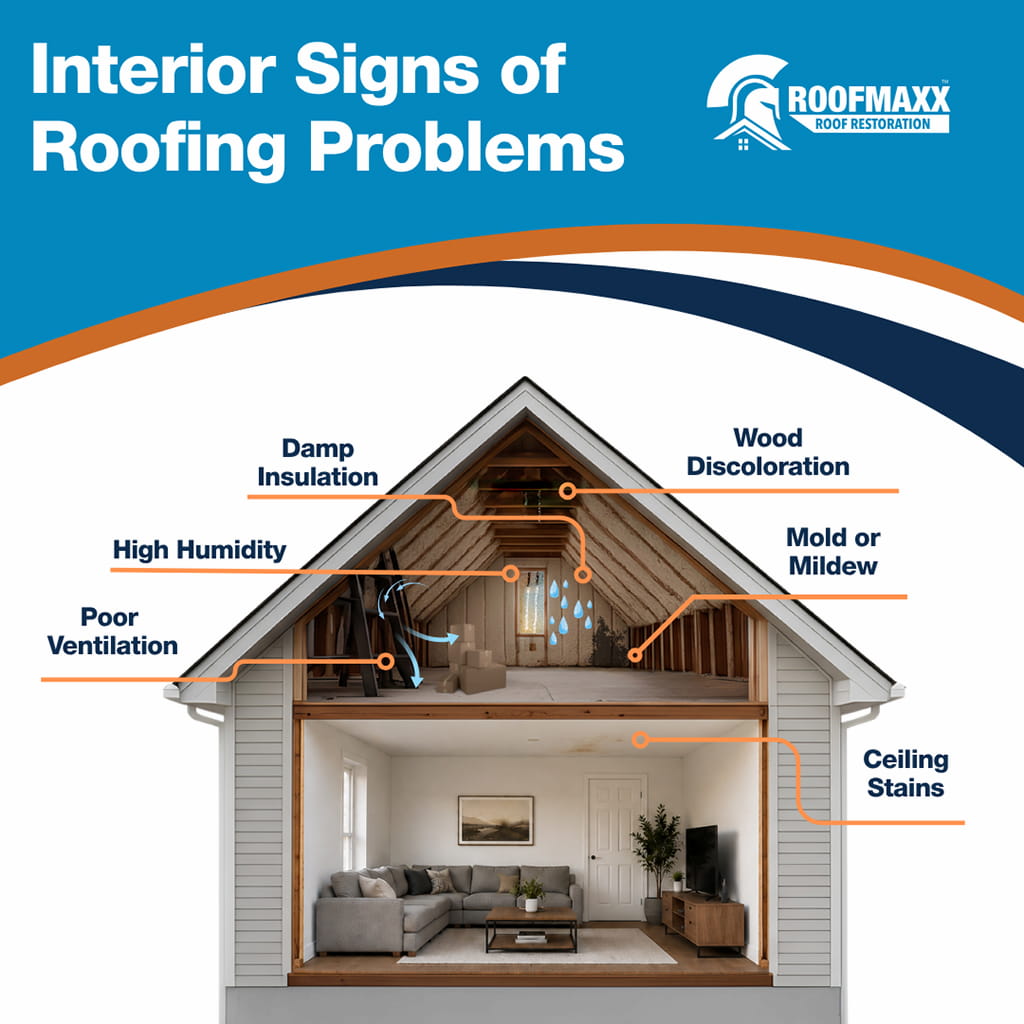
Darkened wood or visible moisture marks can indicate ongoing water intrusion. Catching these early is often the difference between a minor repair and significant structural damage.
Excess moisture on upper floors can sometimes point to poor roof ventilation rather than an actual leak. Condensation problems can mimic leaks closely enough to be worth investigating.
Every Roof Maxx treatment begins with a detailed roof assessment.Your dealer will focus on the factors that determine whether you’re eligible for Roof Maxx, like the condition of your shingles and whether you have any obvious leaks. More in-depth checks for structural damage or issues inside the home should be performed by a licensed inspector every 1-2 years.
On the day of your assessment, a technician will come out to your home and carefully check the condition of your roofing system, then make recommendations based on what they find. Your score lets us help you find the best path forward for your needs.
Everything looks good. No immediate maintenance necessary
Your roof needs a little TLC. Minor repairs are needed and should be handled soon.
Your shingles are drying out. This is the perfect time for a Roof Maxx treatment!
Your roof has reached the end of its lifespan due to damage or age. It's time for a replacement!
Once the assessment is complete, you’ll receive a detailed report outlining the current condition of your roof, any problem areas that were identified, and recommendations for next steps.
This is a good time to ask questions like;
Your technician will also explain any issues in detail to make sure you fully understand them so you cna make an informed choice about what comes next.
If needed, we'll discuss options to maintain, repair, or extend the life of your roof. This may include strategies like regular inspections, minor or major repairs, Roof Maxx treatments, or even a tear-off and total replacement depending on the results of your Roof Health Check.
| Area of Impact | No Inspections | Occasional Spot Inspections | Annual Inspections | Annual Inspections + Roof Maxx |
|---|---|---|---|---|
| Early Detection | None. | Limited. | Good. | Excellent. |
| Roof Lifespan | Higher risk for leaks and early failures. | Depends on the age and condition of your roof. | Depends on the age and condition of your roof. | Adds up to 15 more years of life1 |
| Risk for Early Roof Failure | High. Small leaks and other issues continue unchecked. | High. Some problems get caught, while others are missed. | Low. Problems are caught and addressed early. | Very low. Shingles also perform better for longer. |
| Peace of Mind | None. | None. | Some. | Excellent. |
| Savings Over Time2 | None. | $$ | $$$ | $$$$$ |
A professional roofer can take care of most repairs for you. Some Roof Maxx dealers also provide a Roof Tune-Up to address minor problems before your treatment. Fixing issues like these first will help you get the best possible results and extend the life of your roof at the same time.
• Cleaning gutters
• Clearing leaf litter and other debris off the roof
• Trimming branches away from the roof and siding
• Inspecting and resealing caulking around all roofing components
• Replacing rubber grommet screws around metal flashings
• Replacing plumbing vent pipe gaskets
• Hand-sealing shingles with roofing cement
• Sealing exposed nail heads
• Repairing nail pops
• Replacing hidden gutter hangers
• Replacing individual damaged shingles
• Sealing chimney crown cracks
If your repair needs are more serious, we'll work with you to help you find the best option.
Roof Maxx rolls back the clock on asphalt shingles by replacing the petrochemical oils they lose over time with millions of microbeads of plant-based oils. Having your roof treated can restore flexibility, performance, and waterproof protection for up to 80% less than the cost of a new roof!
That’s an important distinction because new shingles just don’t provide as much protection as they did a few decades ago. The roof you have right now could be better than one you’ll buy for $25,000 or more today because today’s shingles are generally thinner and contain less asphalt.
Your local dealer will stay in touch with you to schedule the treatment on a dry day in mild weather. They'll prepare the roof with basic cleaning and handle any Roof Tune-Up tasks before they begin.
Once the treatment starts, Roof Maxx is sprayed evenly across your roof in a process that usually takes 2-4 hours. The solution will slowly absorb down into your shingles over the next 72 hours.
Watch a Roof Maxx treatment and see how the process works for yourself! The video in the link below explains everything your local dealer will do during your treatment so that you know what to expect.
Find out exactly how much you’ll save with Roof Maxx, which typically costs up to 80% less than the price of a full roof replacement. Get a free quote from a Roof Maxx dealer in your area by reaching out below.
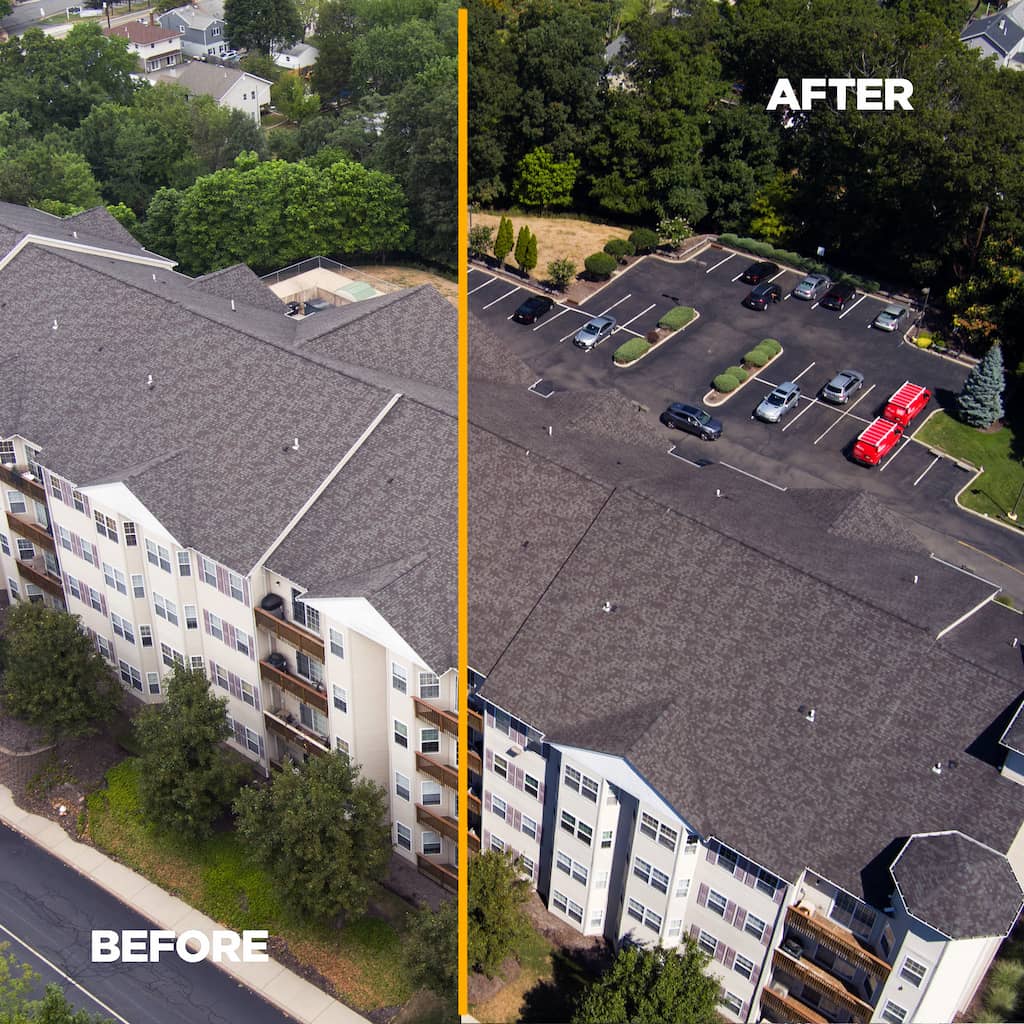
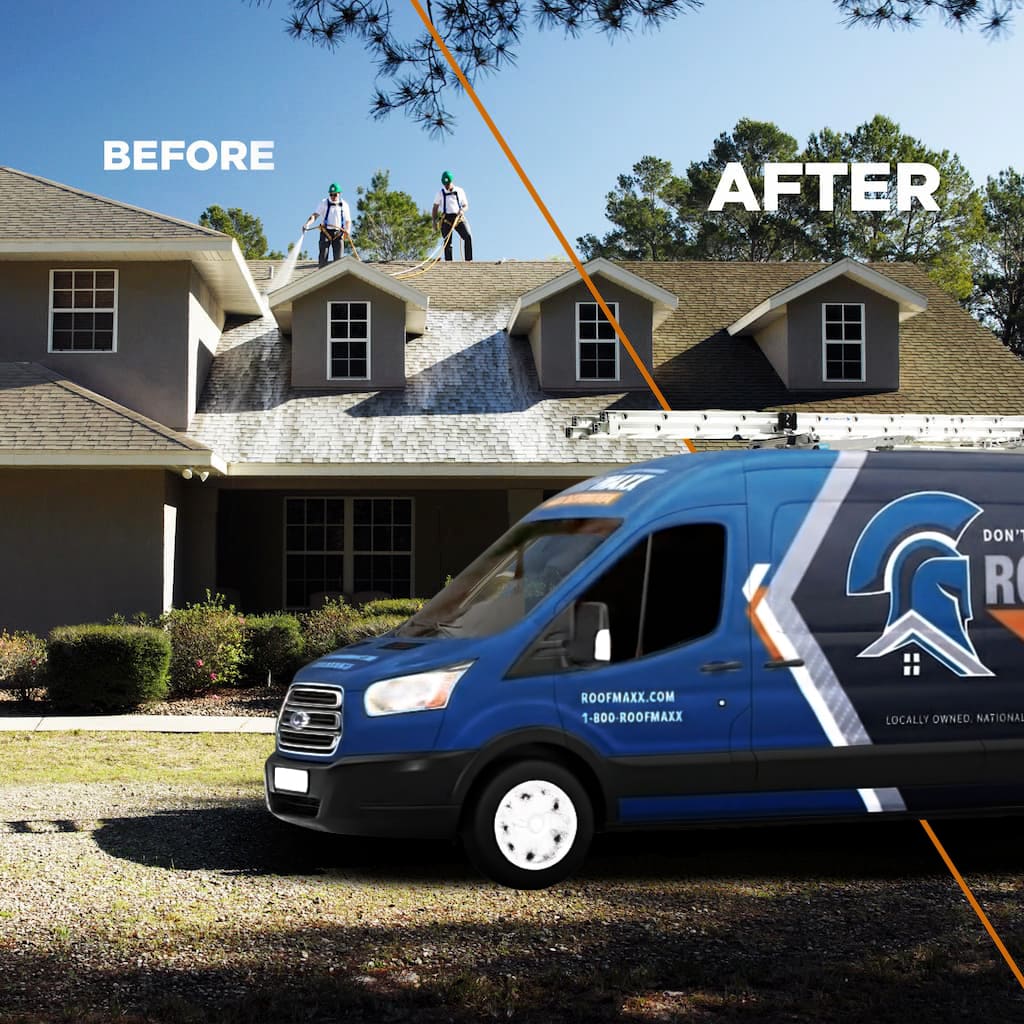
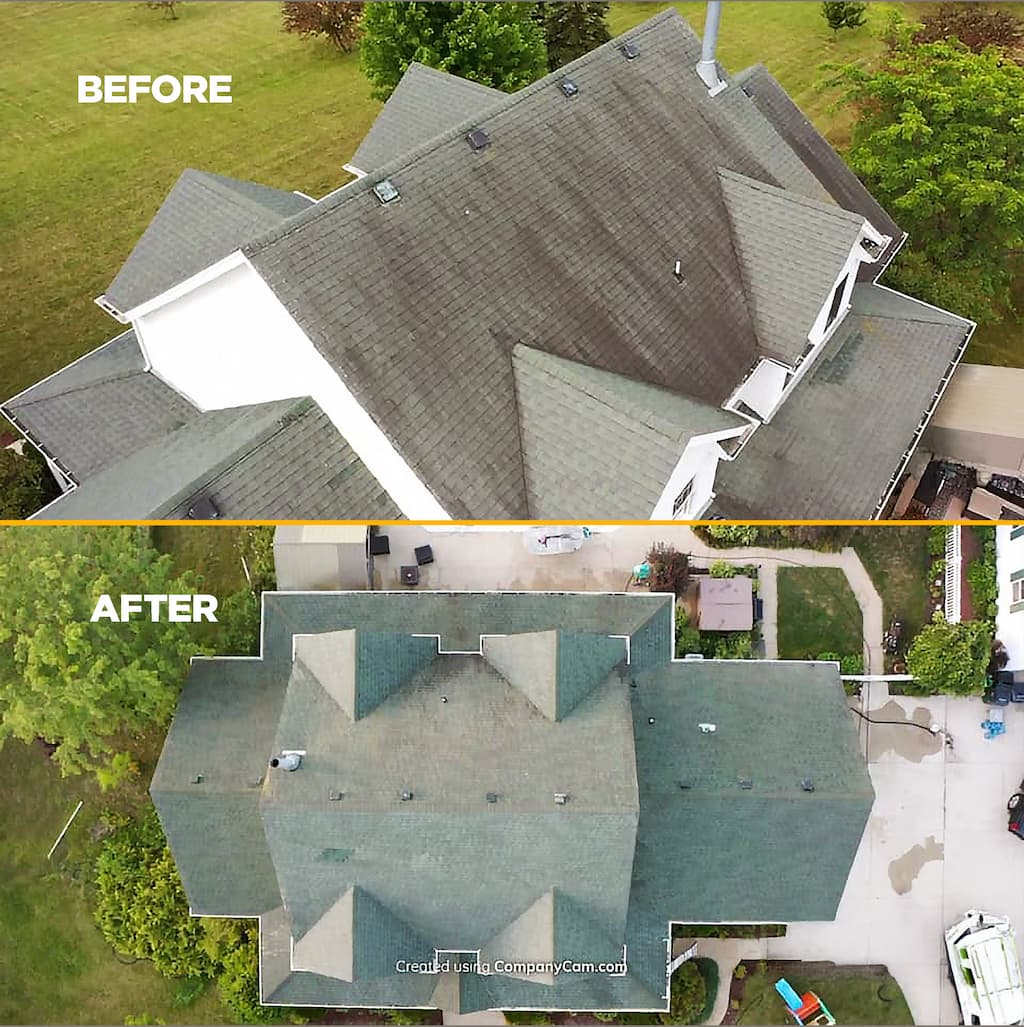
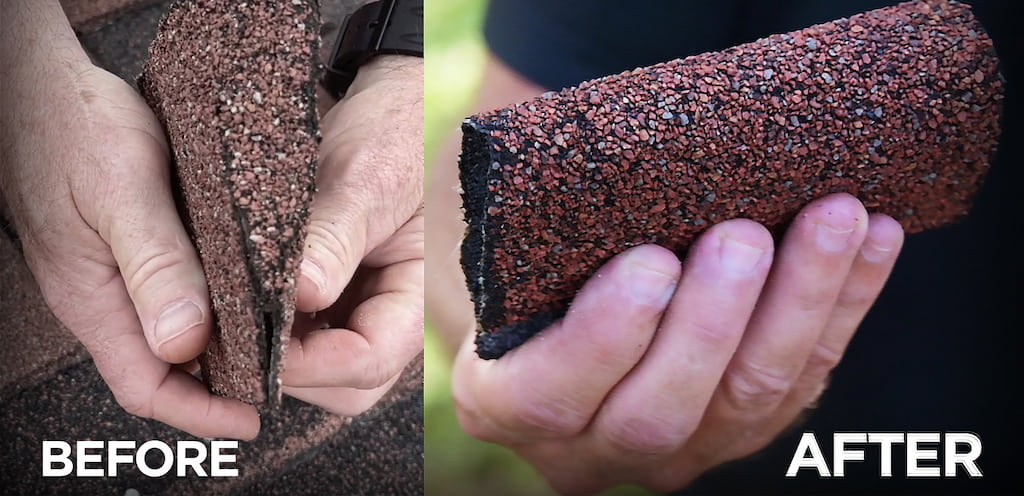
Check out the results real Roof Maxx customers have experienced by looking at their before and after photos.
Get answers to the questions homeowners across North America ask us most often about roof inspections.
The final price will depend where you are and whether you need a certificate after the fact. You can expect to pay somewhere around $125 to $376. Some companies offer free assessments as part of a total service or care package, which can help bring down your total costs over time.
Every Roof Maxx treatment starts with an assessment so you always know exactly what condition your roof is in before any work begins.
You can do a basic visual check from the ground, but we don’t recommend getting up on the roof unless you’re trained to do so safely and know what to look for. Inspectors and Roof Maxx technicians often focus on areas most homeowners wouldn’t think to check, like plumbing vent gaskets or flashing.
If you notice signs of damage from the ground, call a roofer for help right away.
Sometimes. If they spot signs of potential hidden damage on the exterior, they may ask to check your attic or crawl space for moisture stains, mold and mildew, or ventilation issues. Hidden leaks can eventually affect the structural integrity of your home by causing severe water damage, so it’s worth it to say yes.