9 Tips to Extend Your Asphalt Shingle Roof’s Lifespan

PUBLISHED ON : April 22, 2025
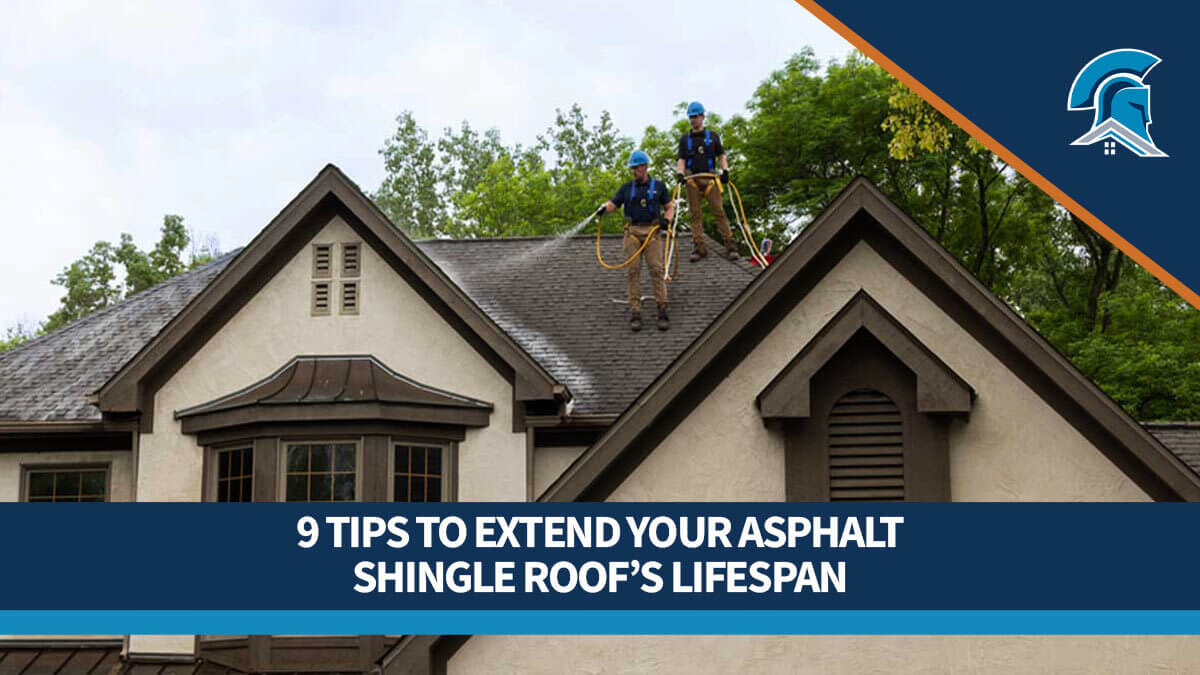
Graphic showing Roof Maxx dealers on an asphalt shingle roof with the title 9 Tips to Extend Your Asphalt Shingle Roof's Lifespan.

Summary

To extend the life of an asphalt roof, clean your gutters, trim nearby branches, and keep the attic well ventilated. Install proper insulation to prevent heat and moisture damage, and schedule regular inspections to help catch problems early. Clear debris, moss, and snow to avoid leaks and ice dams. Promptly repair damaged or missing shingles as well, and consider roof rejuvenation to maintain the quality of your existing roofing materials and delay the need for a full roof replacement.


Time to Read
  • 7–8 minutes
What You’ll Learn
  • How to maintain your asphalt shingle roof
  • How ventilation and insulation affect your roof
  • What to look for during roof inspections
  • How to manage debris, moss, and snow buildup
  • When to repair shingles and why timing matters
Next Steps
  • Have your roof inspected
  • Book a tune-up to correct any minor issues
  • Schedule a Roof Maxx treatment to preserve your existing shingles for years to come

Extend Your Asphalt Shingle Roof's Lifespan

Your roof protects your home from the sun, strong winds, and cold temperatures, but it’s also undeniably costly to fix. A total replacement can easily cost you up to $30,000 or more, and no homeowner wants to fork over that much cash until it’s absolutely necessary.


No roof lasts forever, but you can get more life from it by keeping your roof and shingles in good condition over the years. Below, we’ll walk you through nine tips for keeping your asphalt shingle roof in tip-top shape and show you how scheduling a Roof Maxx treatment can help.

Learn How to Extend Your Roof's Lifespan in Under 3 Minutes

We made a quick video covering the simplest, most effective habits for getting more life out of an asphalt shingle roof — including one step that does more than all the rest combined. Watch this video to learn:

  • Six low-cost habits that help prevent moisture damage, rot, and premature aging
  • Why these habits only slow the clock instead of reversing the aging already happening inside your shingles
  • The one step that restores the oils shingles lose over time, and why it matters more than the rest combined
  • How much usable life a Roof Maxx treatment can add, and how many treatments a qualifying roof can take


Need more details after watching? Read the article below.

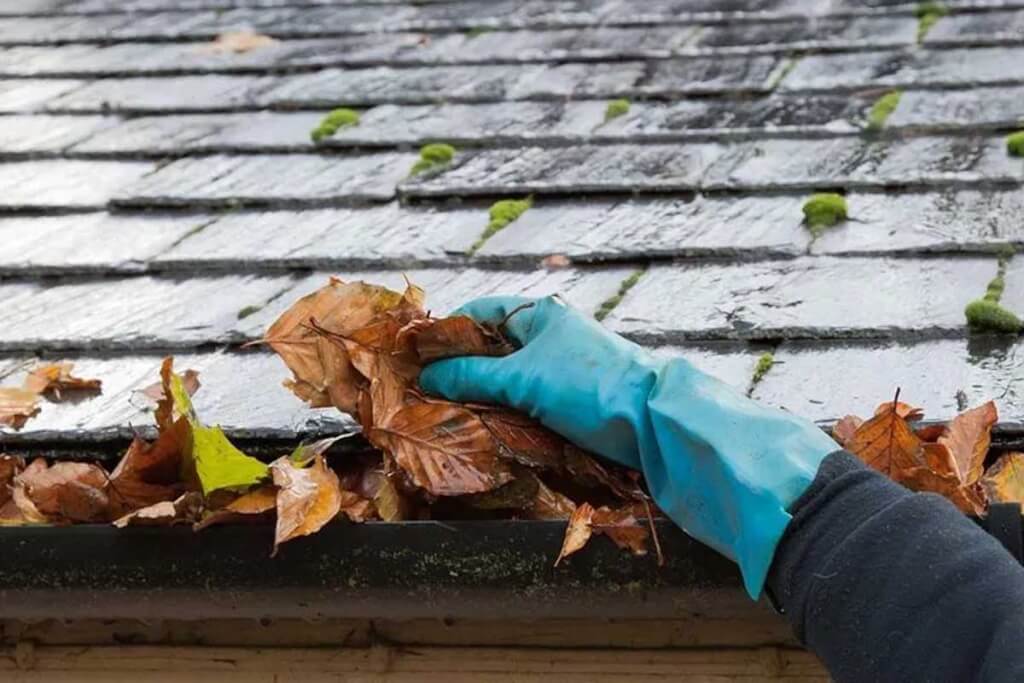
A gloved hand clears leaves and debris from the edge of an asphalt shingle roof.

How Roof Maintenance by Roof Maxx Extends Shingle Life

The essential maintenance strategies you’ll find in this guide can be helpful, but they won’t keep your asphalt shingle roof in perfect condition unless you also address age-related degradation at the same time. This is especially true if the materials were manufactured within the last 10-20 years.


Today’s shingles contain up to 30% less asphalt, so it takes less time for the petrochemical oils that keep them soft and flexible to dry out and become brittle. Roof Maxx’s rejuvenation treatments replace these lost softeners with safe, all-natural oils that restore flexibility and help you avoid early replacement.


In as little as an afternoon, you can:

  • Give your shingles the support they need to expand and contract as temperatures change
  • Extend the life of your roof by up to 5 years (or 15, if you qualify for additional treatments)
  • Improve how your roof resists hail strikes and other types of impact damage


Some dealers also offer an optional Roof Tune-Up that comes with straightforward fixes for some of the most common contributors to leaks, including nail pops, flashing failures, and cracked caulking. At a total cost of up to 80% less than a new roof, it’s a smart strategy for saving money on roof care long-term.


Find a dealer in your area now to get a free quote, then read on for more tips on how to make your asphalt shingles last longer!

1. Clean Gutters

When gutters clog during a rain or snowstorm, water starts to pool up along the edges of your roof. This can eventually lead to water damage over time, but you can avoid it by clearing any leaves, debris, or snow from your gutters every few months or after storms.


If you see these warning signs, clear them right away:

  1. Water overflows your gutters during rainstorms.
  2. You can see leaves, sticks, or bird nests in your gutters.
  3. Sections of your gutters or downspouts are sagging or detached.


Gutter problems are easier to prevent than they are to fix, so make this one a part of your home maintenance plan and don’t overlook it.

How to Fix Blocked Gutters:

  • Clean your gutters at least twice a year or after storms.
  • Clean more often if you have overhanging trees or high winds often.
  • Use a gutter scoop or small garden trowel to remove any debris.


Flush gutters and downspouts with a hose to test the flow of water afterward. If you still notice a blockage, you likely still have a clog somewhere.

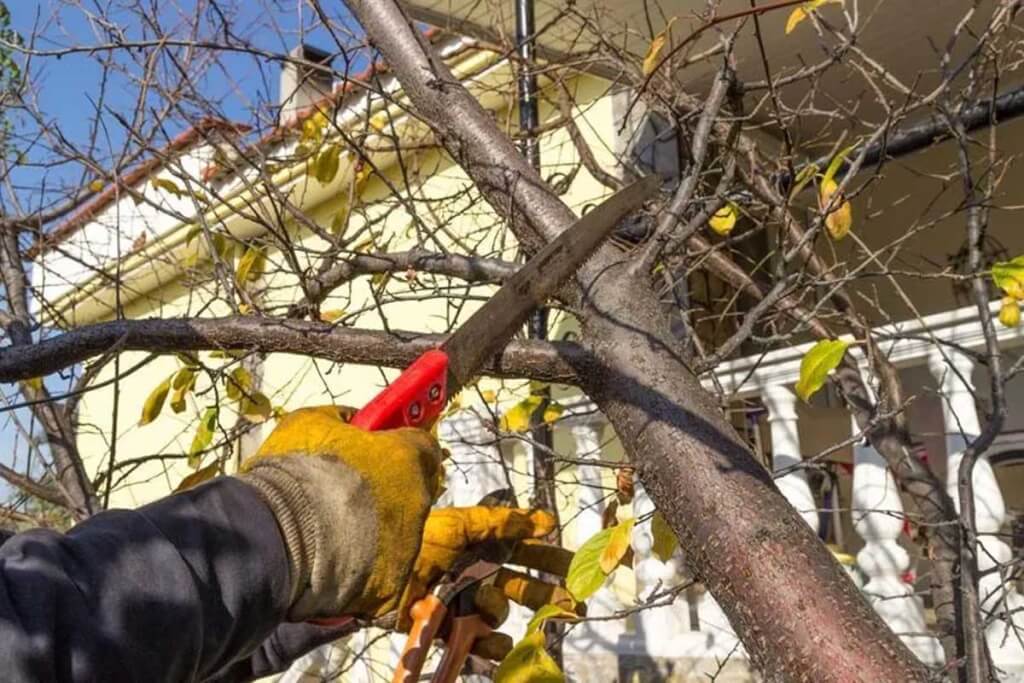
A person trims tree branches growing close to a residential roof.

2. Trim Trees

Having trees close to the home adds shade and beautifies your property, but it also means you’ll need more frequent roof maintenance. Overhanging branches can fall and damage your shingles, clog your gutters, or even give animals an easy way to access your roof.


You may have damage to your roof from trees if:

  1. Branches are hanging over, touching, or scraping across your roof.
  2. Leaves and twigs are starting to collect in your gutters or on shingles.
  3. You hear and/or see animals scampering near the roofline.


Another common sign is seeing leaves fall in a predictable outline around your home. This suggests they’re falling right over the edge of your roof.

How to Fix Overhanging Trees:

  1. Trim back any branches to at least 6 to 10 feet from the roof.
  2. Use a pole saw or hire a certified arborist for larger trees.
  3. Trim back new regrowth in the spring or fall.


If you plant any new trees, try to space them out from your home by at least 15-20 feet if possible.

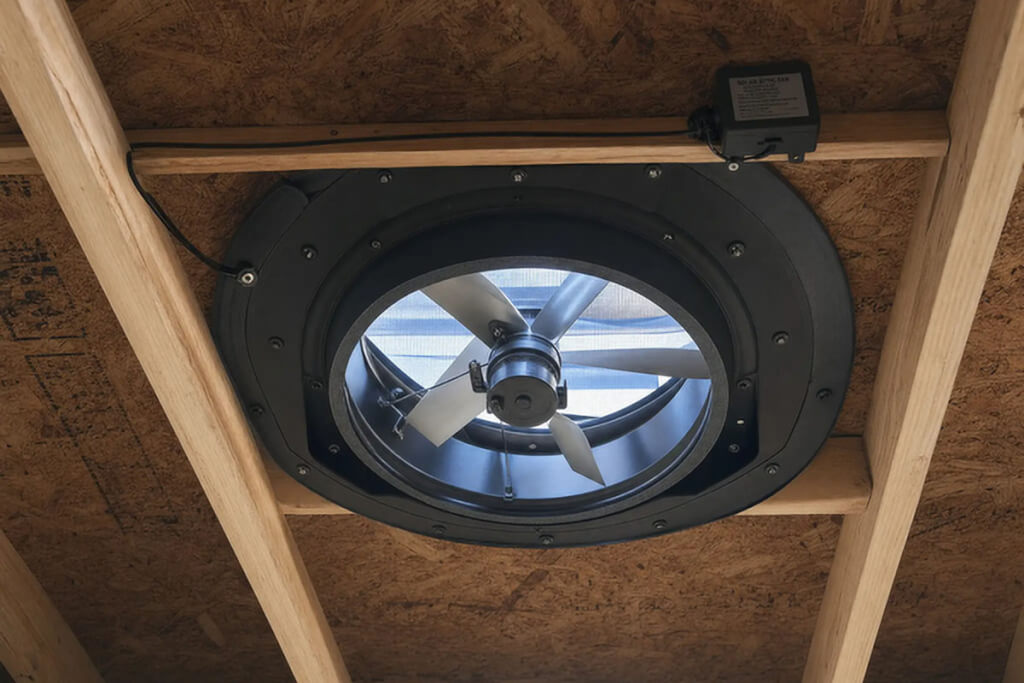
A large, round powered attic ventilation fan attached to the underside of roof decking.

3. Keep the Attic Ventilated

Proper attic or crawlspace ventilation doesn’t just keep you comfortable and save on energy bills. It also adds to your roof’s life expectancy, too. Inadequate airflow causes heat and humidity to build up, which damages your entire roofing system from the inside out.


If you notice any of these red flags, it’s time to call in a pro:

  1. Attics or crawl spaces feel damp, stuffy, or stiflingly hot.
  2. You can see obvious signs of mold or mildew on rafters.
  3. Ice dams form along the edge of your roof in winter.


Some homeowners report a musty or “old” odor, too, especially on clothing or fabric stored in the area. This is usually caused by mildew and is a strong sign of ventilation issues.

How to Fix Attic Ventilation:

  1. Check the soffit vents near the eaves and the roof vents near the peak.
  2. If your vents are broken or missing, install new ones ASAP.
  3. Make sure all vents are unobstructed by insulation or storage.


Installing a powered attic fan to boost airflow inside the space can also be helpful, especially in extreme climates with very cold, hot, or humid weather.

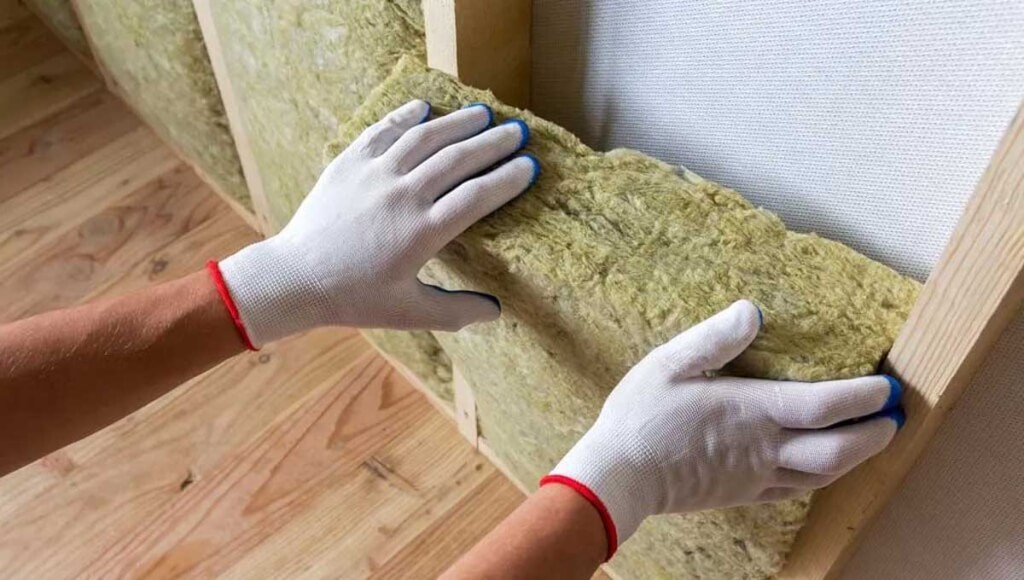
A person wearing gloves installs insulation between wooden framing inside a home.

4. Insulate Your Home

Proper insulation keeps your home cooler in summer and warmer in winter, reducing strain on your roof. It also helps regulate the temperature in your attic, which prevents ice dams and heat from building up on the exterior.


You might need better insulation if:

  1. The temperature is uneven on different floors.
  2. You can feel an obvious draft coming from the roof.
  3. Your heating and cooling bill is unusually high.
  4. You notice ice dams in winter and stiflingly hot temperatures in summer.


Better insulation can bring your energy bill down by up to 15%, so this is one update nearly all homeowners can benefit from.

How to Better Insulate Your Roof:

  1. Add insulation to meet recommended R-values for your region.
  2. Use foam baffles to keep airflow open around soffit vents.
  3. Seal any gaps or cracks around attic hatches, lights, or fans.


It may be worthwhile to add insulation around walls, windows, and doors at the same time, too. These won’t protect your roof, but they’ll still help bring your energy bill down.

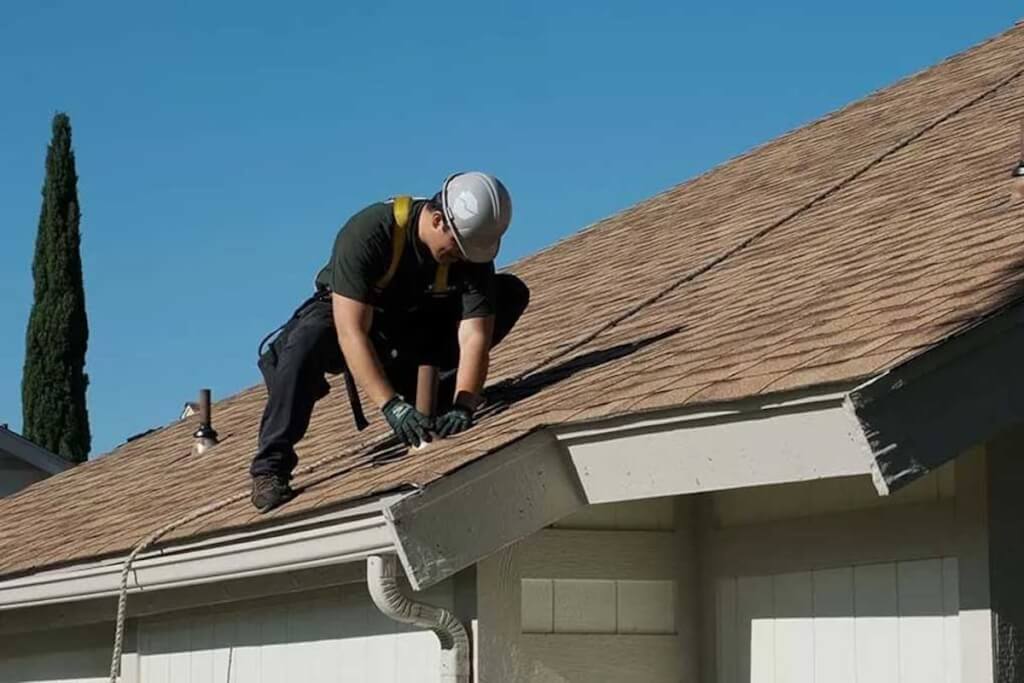
A roofing professional inspects the asphalt shingle roof of a residential home.

5. Get an Annual Roof Inspection

No matter how diligent you are in maintaining your roof, it’s important to have an expert check things out at least once a year. Scheduling an annual roof inspection is the best way to make sure you don’t miss anything that needs attention.


It’s time for an inspection if:

  1. Your roof is 10+ years old.
  2. You can see water spots on the ceiling or walls.
  3. You’ve experienced storms, heavy snow, or high winds recently.


Catching problems early is one of the best ways to prolong the life of your roof. Every Roof Maxx treatment starts with an in-person inspection to make sure your roof is ready for the treatment. We can address any minor issues during our optional Roof Tune-Up.

How to Stay on Top of Inspections:

  1. Schedule a professional roof inspection annually.
  2. Ask for photos and a written log of any repairs.
  3. Don’t skip or delay repairs throughout the year.


Careful attention to your asphalt shingle roof will save you money on roof care and reduce how often you need replacements, so you’re saving money by making it a priority.

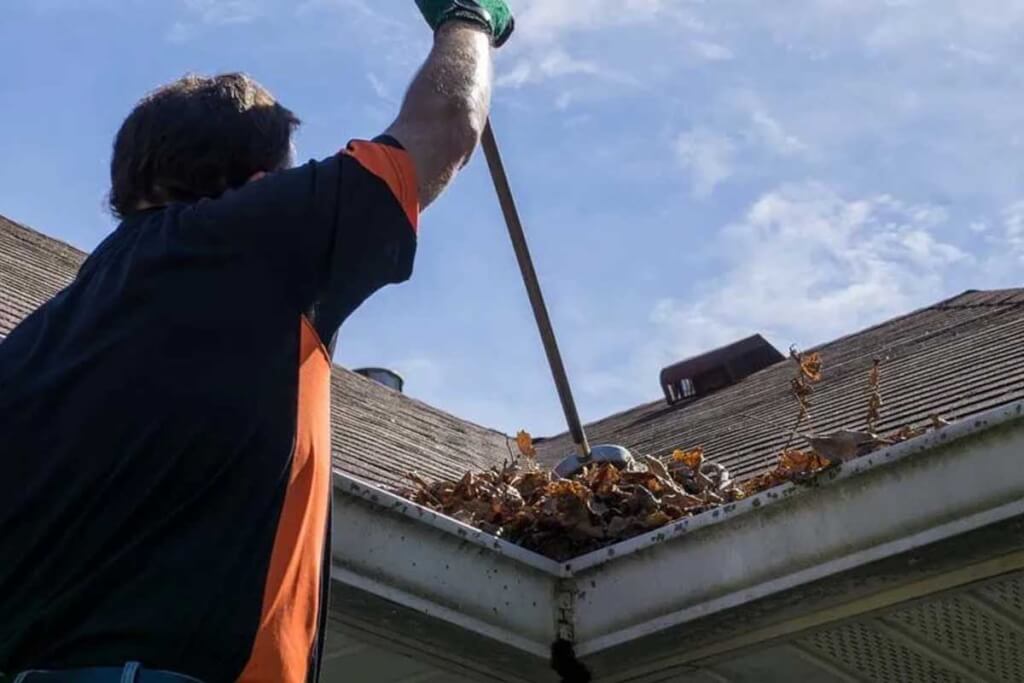
A person uses a long-handled tool to clear leaves and debris from a residential roof.

6. Clear Debris From the Roof

It might seem harmless to leave the odd branch or pebble on your roof, but all those little bits of debris add up over time. They can eventually puncture your shingles or build up into a total blockage near your gutters if you don’t address them quickly.


Call someone in to clear it off if:

  1. You can see debris from the ground or upper-level windows.
  2. Water pools up in valleys or appears discolored in certain areas.
  3. You have birds, mice, or squirrels nesting on the roof.


Check with your state’s wildlife agency or the U.S. Fish and Wildlife Service before removing any nesting material. Some species, like chimney swifts, are protected under the Migratory Bird Treaty Act. You might need to wait until the chicks fledge or get a permit first.

How to Fix a Debris-Covered Roof:

  1. Clean your roof regularly, especially after storms.
  2. Use a roof rake or blower to clear debris safely.
  3. Avoid pressure washing, as it can damage asphalt shingle roofs.


Make sure to wear proper protection and follow safety protocols for any roof work. Or, better yet, hire a pro to handle it for you unless you happen to be a roofer yourself.

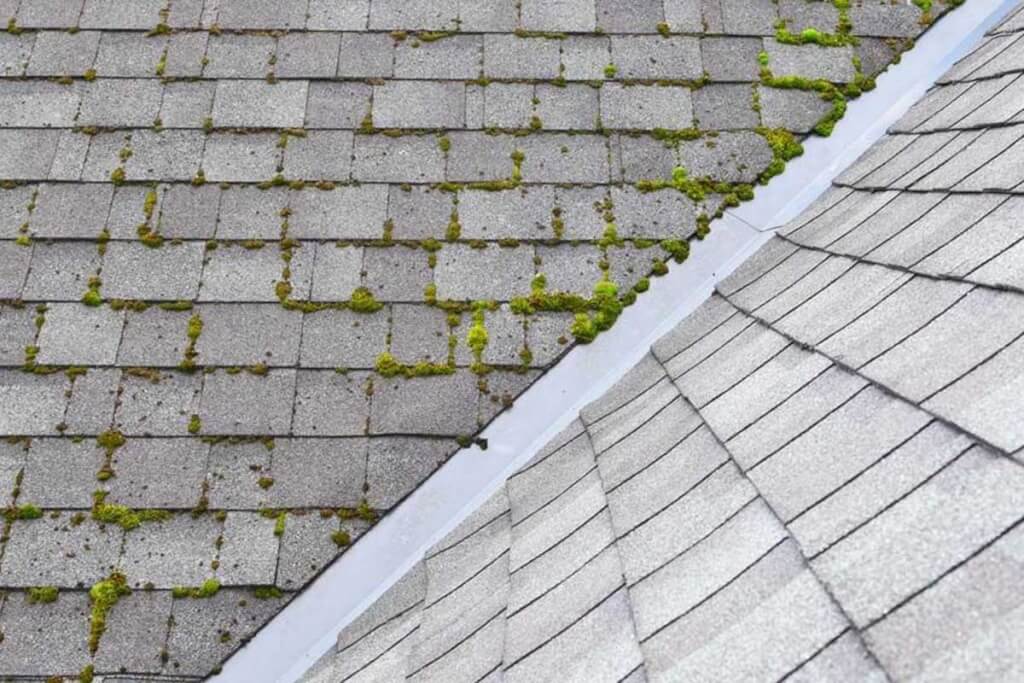
Green moss growing between the shingles on an asphalt shingle roof.

7. Clean Off Moss

Moss isn’t exactly an emergency, but it’s a sign that you have too much moisture on your roof. It also tends to spread once it develops, and it isn’t always recognizable. Removing it early helps preserve your roof’s structure and curb appeal.


You might have a moss problem if:

  1. You see green, black, or grey patches on shady roof areas.
  2. Your shingles look uneven or feel spongy underfoot.
  3. You can see moss growing between, under, or on shingles.


If you notice dark green or black stains, you may have an algae problem instead. Roof Maxx contains a natural fungicide that can help prevent problems like these from developing in the first place. It also makes your shingles much less likely to break over time.

How To Fix Issues With Moss:

  1. Gently scrub the moss away with a brush and a bucket of water.
  2. Use a moss cleaner made specifically for asphalt shingle roofs.
  3. Install zinc or copper strips to help prevent regrowth.


Scheduling a Roof Maxx treatment may also help because our safe, all-natural treatment acts like a fungicide to help algae and moss from coming back.

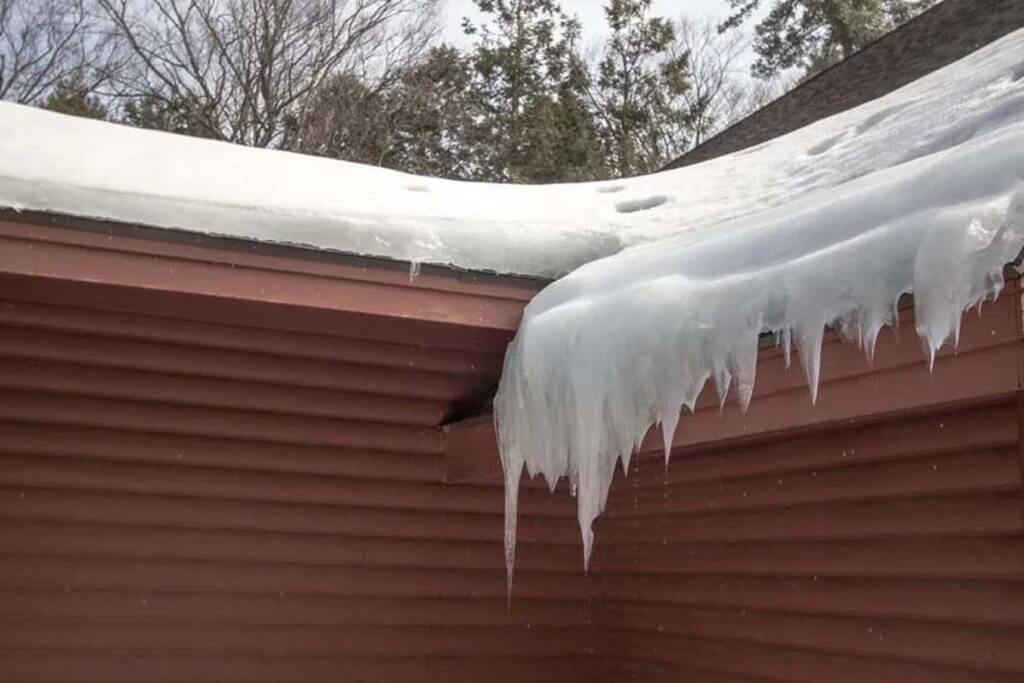
Thick ice and icicles build up along the edge of a snow-covered residential roof.

8. Avoid Ice Dams

If you live in an area prone to severe winter storms, ice dams can form on your roof and force water back up under your shingles. This can lead to leaks and structural damage over time.


Watch for red flags like these during colder weather:

  1. Thick ridges of ice develop at the edge of your roof.
  2. Water leaks into your home as snow begins melting.
  3. You have large icicles forming along your gutters or eaves.


Icicles can be dangerous, so be cautious if you’re working around them. Never stand directly under them while you’re trying to clear them out.

How to Fix Ice Dams:

  1. Use a roof rake to remove snow after every heavy storm.
  2. Add more insulation or ventilation to your attics and crawl spaces.
  3. Install heated cables along problem areas, if necessary.


Most importantly, don’t ignore ice dams when you notice them. Take it as a red flag that something on your roof needs to be resolved as soon as the weather permits doing the work.

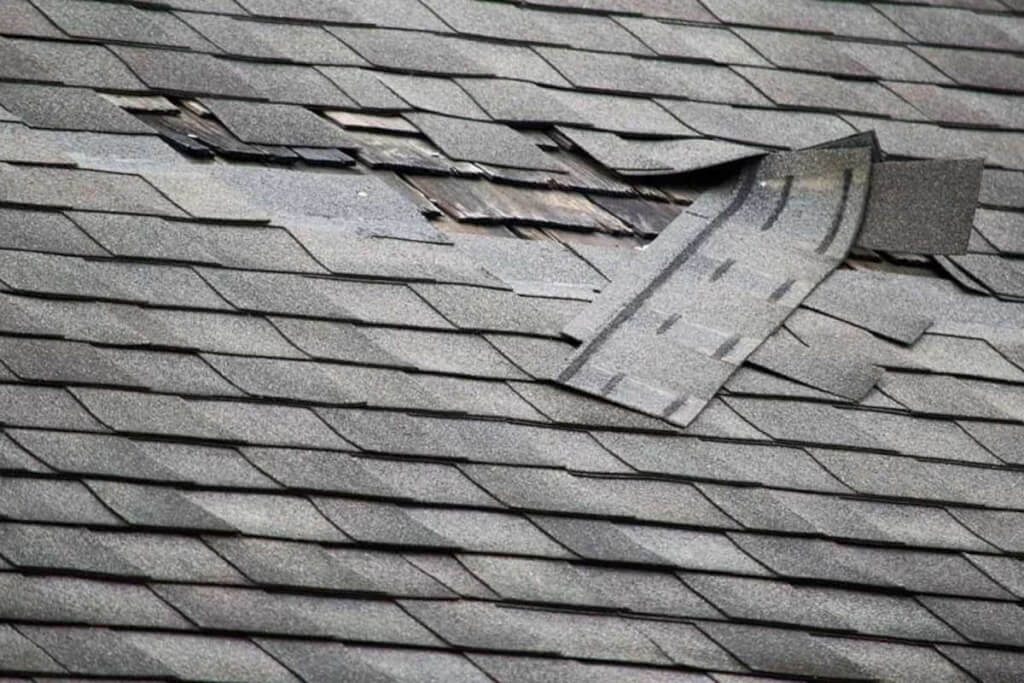
Damaged asphalt shingles are cracked, loose, and missing from part of a residential roof.

9. Fix Missing or Damaged Shingles

Shingles are your first line of defense against the elements, so if they’re missing or damaged, it’s a big deal. Catching and fixing or replacing them promptly can save you from having to pay for more costly and devastating repairs later on.


Your shingles need a little TLC if:

  1. Your shingles are cracked, curling, or missing completely.
  2. One or more shingles flap in the wind or pull back completely.
  3. You start finding granules in your gutters or near downspouts.
  4. Some of your shingles appear bare or are missing granules.


It’s a whole lot easier to repair a few shingles than to fix a whole section of your roof where they’re damaged. Jump on this one quickly to keep repair costs down.

How to Fix Shingle Problems:

  1. Schedule an inspection with a roofing professional right away.
  2. Replace any damaged or missing shingles as soon as you notice them.
  3. Schedule a Roof Maxx treatment to rejuvenate your shingles.


If the damage is widespread, it might be time for a full replacement.

Roof Maxx dealers from Columbus visit a local homeowner.

Extend the Life of Your Asphalt Shingle Roof with Roof Maxx

Paying close attention to your roof and giving it the TLC it deserves over the years will spare you headaches and help you avoid costly repairs later on down the road. Just taking the time to remove debris and clear out your gutters after storms will help you get more life from your roof, but it isn’t always enough.


If your asphalt roof is starting to show signs of wear and tear, it’s probably time to call a pro. Roof Maxx treatments come with a detailed assessment and optional tune-up to address minor issues like raised nails or cracked cocking, so it’s a great place to start. Get a free quote from a dealer in your area now!

Share this post
Facebook
LinkedIn
X
Reddit
Tumblr
Threads
Email
Print
Picture of Allen Clements
Allen Clements
A longtime filmmaker, homeowner, and lover of nature, Allen brings clarity and emotion to content that resonates. He helps shape Learning Hub pieces that connect deeply with both homeowners and business customers—often highlighting the natural side of homeownership that Roof Maxx proudly supports.
Stay ahead of home repairs and protect your investment
Subscribe now for expert roofing and maintenance tips straight to your inbox!

Five Year Transferable Warranty

With our five-year, transferable warranty, you’ll enjoy the peace of mind that your roof and entire home are protected.

Stay ahead of home repairs and protect your investment
Subscribe now for expert roofing and maintenance tips straight to your inbox!