Guide: What to Expect During a Roof Assessment

A roof inspection is a professional assessment that evaluates every layer of your roofing system, from the surface of your shingles to the structural components hidden beneath them. Inspectors check for obvious and hidden signs of damage, leaks, age-related wear and tear, and other vulnerabilities that could lead to costly repairs or an early replacement.
Regular health checks like these are an important part of roof maintenance because problems often start as a whisper rather than a shout. A minor leak might stay hidden for months or years at a time until you’re suddenly faced with a much bigger and more expensive problem than you bargained for.
Roofers generally recommend scheduling inspections at three main times:
Every asphalt shingle roof should be inspected annually, ideally in the spring or fall. It’s the best way to catch any repair needs or component failures before they turn into an expensive emergency.
Storms, high winds, hail impacts, and heavy snow can all damage your roof and shingles. Scheduling an inspection after each event helps catch problems early and document them for insurance purposes.
Need Help? Chat with a Roof Maxx Inspection Specialist for Free.
Fill out this brief form to be contacted by your local Roof Maxx experts.


What Happens During a Roof Inspection?
When your inspector arrives, they’ll start by talking with you about any concerns you’ve noticed and asking about the age of your roof and any past inspections or repairs. This helps them understand what to prioritize while they’re up on the roof.
From there, the process typically unfolds like this:
The inspector walks around your home from the ground, looking for visible damage, shingle debris in the yard, or signs of sagging before heading up.
Next, they'll use special equipment to safely climb up onto the roof and examine it up close. They'll slowly walk across all sections, take photos, and document any problems they find.
Transition points and other high-risk areas, including your flashing, get special attention. This is where most leaks start before they become serious.
Depending on what the inspector finds, they might ask to check your attic, crawl space, and ceilings for hidden moisture damage, ventilation issues, or structural concerns.
The entire process usually takes between one and two hours from start to finish.

What Roofers Look For During Inspections
Inspectors are generally looking for anything that can tell them about the structural integrity, age, appearance, and condition of your roof. It takes a sharp eye and years of experience to be able to spot subtle or hidden problems, which is why a professional inspection is worth the investment.
Roofing inspections are regulated by local laws and building codes in most of the United States. While standards may vary region-to-region, most roofers will follow the same general checklist.
The inspector will begin by taking a good look at your roof from the ground. They’re looking for piles of shingle granules in your gutters, missing or broken drip edge, sagging rooflines, and water stains on your exterior or interior walls. Red flags like these can be a warning sign for trouble, but they can also tell a pro what they need to focus on more closely when they’re up on the roof.
Sometimes inspectors will ask to come in and inspect your ceilings, attic, or crawl space(s). Daylight peeking through gaps in the rafters is a sign that you have a hole in your roof. Damp surfaces, stifling humidity, temperature extremes, water stains, and mold suggest you have a leak or ventilation problem.
Shingles are your first layer of defense against the elements, so the condition they’re in can tell inspectors a lot about the overall health of your roofing system. Inspectors will typically look for granule loss, bald patches, curling or cupping, cracks, blisters, and other signs of surface-level damage first.
The next step is to check the adhesive strips or fasteners that keep your shingles in place and confirm whether they’re still flexible enough to expand and contract with the weather. Loose, lifted, cracked, and/or missing shingles give water an easy path down into your home, so they should be replaced right away.
Nearly all roof leaks start where two different materials meet. Areas like these are naturally vulnerable to damage because it takes very little space for water to sneak in! Your inspector will pay close attention to the flashing, seals, and rubber gaskets around all penetrations, including nails, fasteners, chimney(s), vents, and skylights. Your drip edge, gutters, downspouts, soffits, and fascia will also be closely examined because they can directly affect how well your roof sheds water down onto the ground.
After Your Inspection: Next Steps
Once the inspection is complete, you’ll receive a detailed report outlining the current condition of your roof, any problem areas that were identified, and recommendations for next steps. It may also give you an estimate of how long your roof will last. You’ll need this document if you plan to file an insurance claim or intend to sell your home, so we recommend storing it somewhere safe.
Every Roof Maxx quote starts with a free Roof Health Check. Your local dealer will check your entire roofing system carefully and share photos and explain their findings, then discuss options to maintain, repair, or extend the life of your roof.
| Area of Impact | No Inspections | Occasional Spot Inspections | Annual Inspections | Annual Inspections + Roof Maxx |
|---|---|---|---|---|
| Early Detection | None. | Limited. | Good. | Excellent. |
| Roof Lifespan | Higher risk for leaks and early failures. | Depends on the age and condition of your roof. | Depends on the age and condition of your roof. | Adds up to 15 more years of life1 |
| Risk for Early Roof Failure | High. Small leaks and other issues continue unchecked. | High. Some problems get caught, while others are missed. | Low. Problems are caught and addressed early. | Very low. Shingles also perform better for longer. |
| Peace of Mind | None. | None. | Some. | Excellent. |
| Savings Over Time2 | None. | $$ | $$$ | $$$$$ |
¹Roof Maxx helps extend the life of asphalt shingles by 5 years per treatment. You can have it reapplied at regular 5-year intervals to get up to 15 more years of life instead.
² Minor repairs start at around $150, but can go as high as $20,000+ if leaks and other failures force you to install a brand new roof early.
Treating Your Roof With Roof Maxx
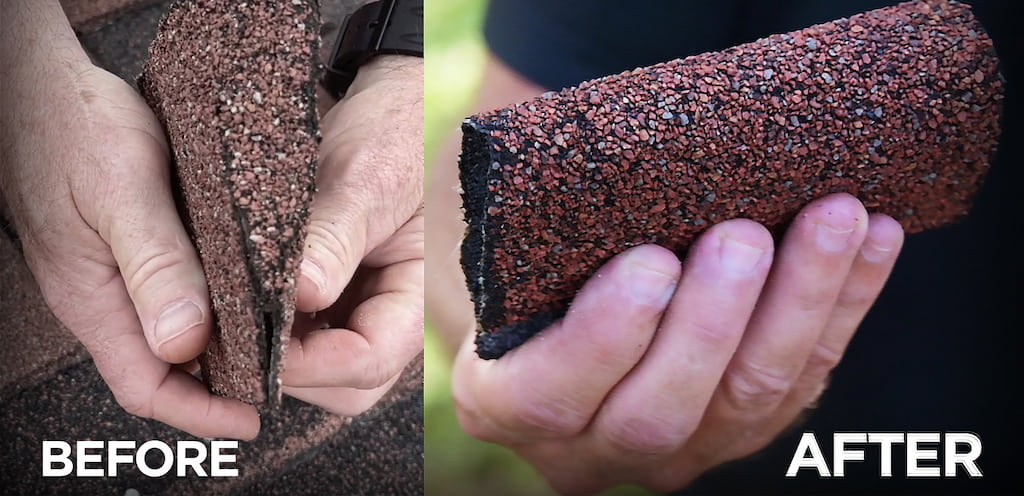
Roof Maxx rolls back the clock on asphalt shingles by replacing the petrochemical oils they lose over time with millions of microbeads of plant-based oils. Having your roof treated can restore flexibility, performance, and waterproof protection for up to 80% less than the cost of a new roof!
That’s an important distinction because new shingles just don’t provide as much protection as they did a few decades ago. The roof you have right now could be better than one you’ll buy for $25,000 or more today because today’s shingles are generally thinner and contain less asphalt.
Your local dealer will stay in touch with you to schedule the treatment on a dry day in mild weather. They’ll prepare the roof with basic cleaning and handle any Roof Tune-Up tasks before they begin.
Once the treatment starts, Roof Maxx is sprayed evenly across your roof in a process that usually takes 2-4 hours. The solution will slowly absorb down into your shingles over the next 72 hours.
Watch a Roof Maxx treatment and see how the process works for yourself! The video in the link below explains everything your local dealer will do during your treatment so that you know what to expect.
Roof Maxx doesn’t contain any harsh chemicals, synthetic plastics, or other toxic ingredients like some polyurethane or acrylic roof coatings. It’s scientifically proven to make shingles flexible again without harming pets, kids, your home, or the environment around you.
Find out exactly how much you’ll save with Roof Maxx, which typically costs up to 80% less than the price of a full roof replacement. Get a free quote from a Roof Maxx dealer in your area by reaching out below.
Need Help? Chat with a Roof Maxx Inspections Specialist for Free.
Fill out this brief form to be contacted by your local Roof Maxx experts.
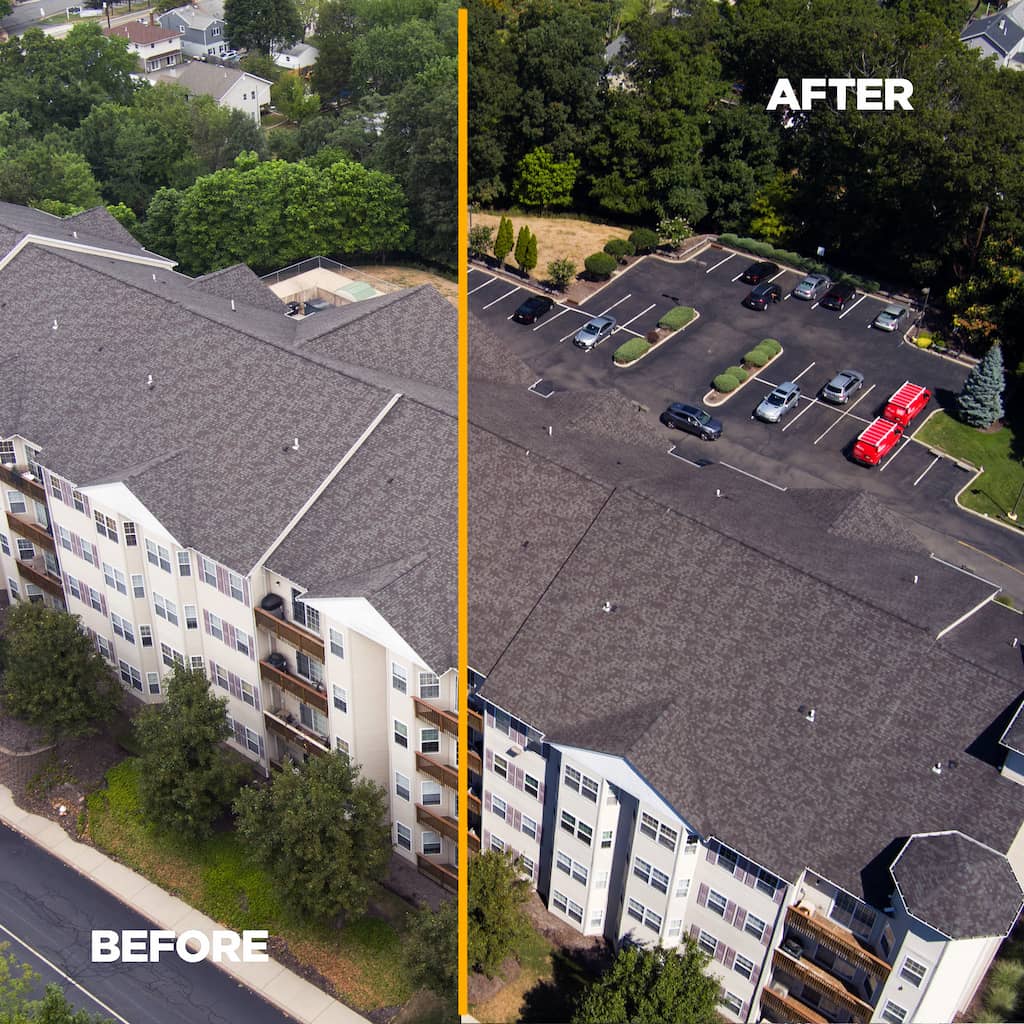
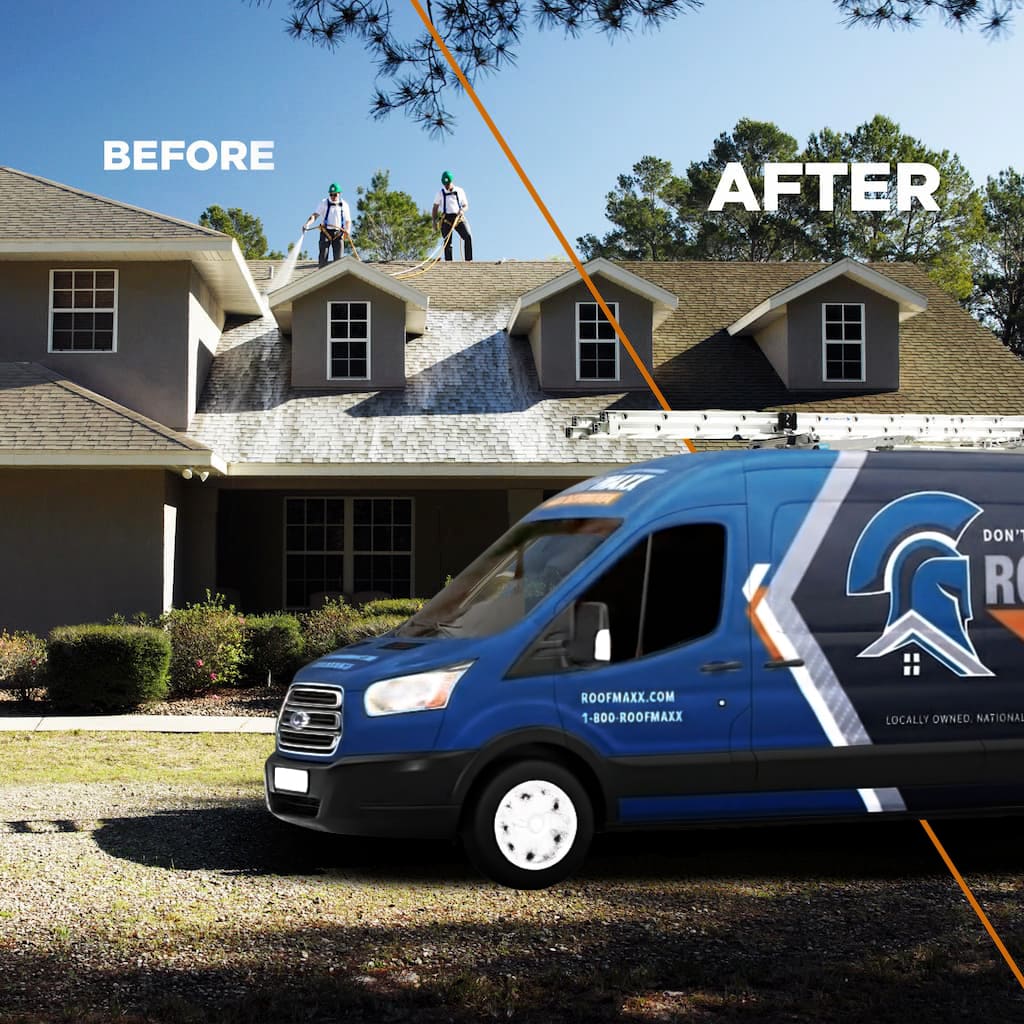
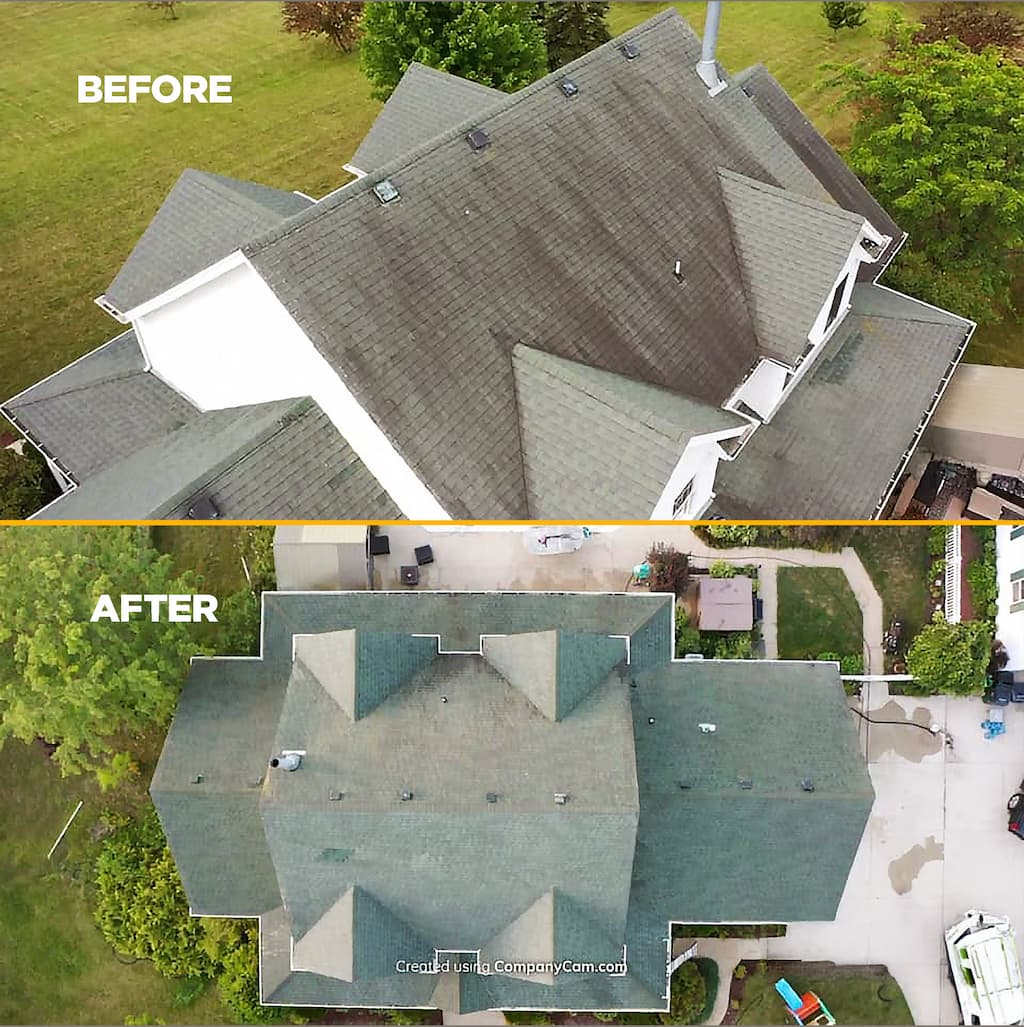
Check out the results real Roof Maxx customers have experienced by looking at their before and after photos.
Get answers to the questions homeowners across North America ask us most often about Roof Maxx.
Yes! Most asphalt shingle roofs should be inspected annually as well as after major storms, tornados, and other weather events. Problems like small leaks, lifted shingles, and failed seals often start as a whisper and turn into a shout once the damage is severe.
Most inspections take between one and two hours from start to finish. Larger roofs with steep pitches, multiple levels, skylights, or chimneys may take a little longer because there’s more to inspect. Your inspector will let you know what to expect when they arrive.
The final price will depend where you are and whether you need a certificate after the fact. You can expect to pay somewhere around $125 to $376. Some companies offer free inspections as part of a total service or care package, which can help bring down your total costs over time.
Every Roof Maxx treatment starts with a free inspection so you always know exactly what condition your roof is in before any work begins.
You can do a basic visual check from the ground, but we don’t recommend getting up on the roof unless you’re trained to do so safely and know what to look for. Inspectors often focus on areas most homeowners wouldn’t think to check, like plumbing vent gaskets or flashing.
If you notice signs of damage from the ground, call a roofer for help right away.
A property inspection covers your entire property, including the land itself. Home inspections focus more generally on the interior and exterior of your home. Some companies may offer a total package that includes all three options, while others will only offer one. Roof inspectors specifically look at your roofing system, including the flashing, drip edge, shingles, decking, and underlayment.
If you haven’t had one in over a year, it’s time to schedule an appointment. You should also schedule an inspection right away if you notice water stains on your ceiling, granules collecting in your gutters, shingles that look curled or cracked from the ground, and other signs of damage.
Sometimes. If they spot signs of potential hidden damage on the exterior, they may ask to check your attic or crawl space for moisture stains, mold and mildew, or ventilation issues. Hidden leaks can eventually affect the structural integrity of your home by causing severe water damage, so it’s worth it to say yes.
Yes. Roof Maxx works by restoring flexibility and water resistance to aging shingles. Shingles that can flex and bend are less likely to crack, break, or shear off in the wind. It’s a valuable part of any homeowner’s long-term roof maintenance plan that can help you save thousands over the life of your roof.