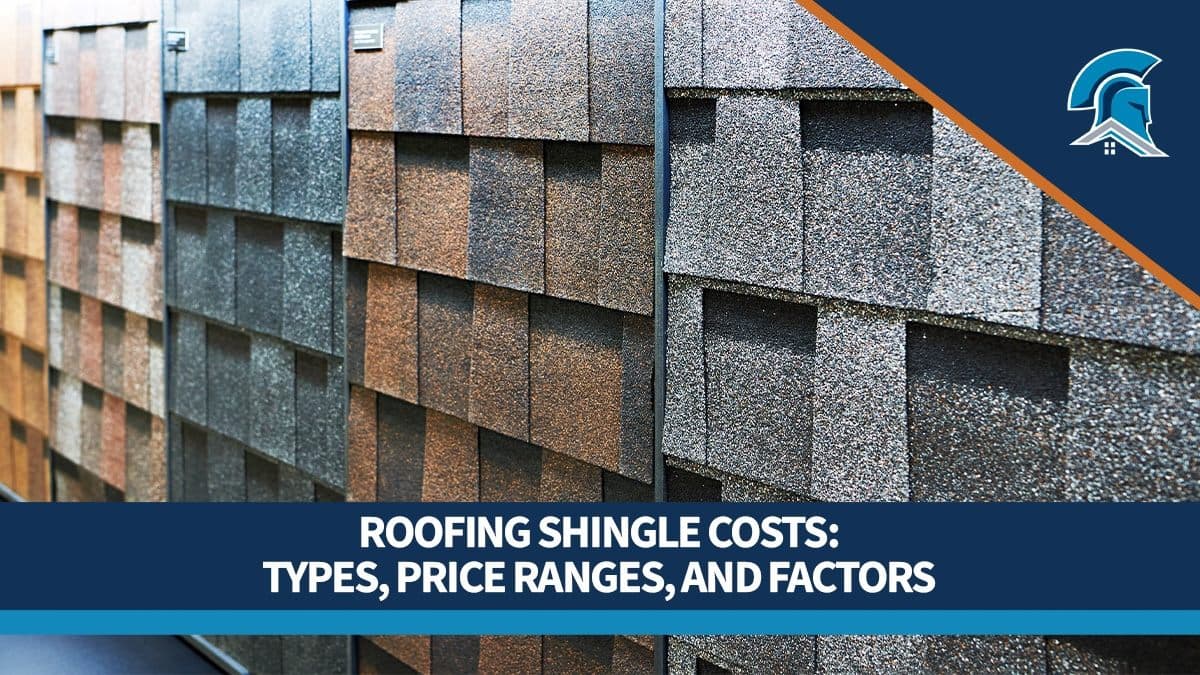

The total cost for roofing shingles can vary widely depending on the type, quality, and style of shingle as well as the material you choose. Basic asphalt shingles start at around $0.70–$2 per square foot for materials only, while steel ranges from $4–$7 and slate from $8–$18. Labor makes up around 60% of the cost at anywhere from $200–$800 per square (100 square feet). Steep pitches, complex designs, and special features also increase the final cost.
| Time to Read |
|
| What You’ll Learn |
|
| Next Steps |
|
Shingles are the most popular roofing material in the United States, with good reason. They look nice, come in many different styles, and can last for up to 30 years when cared for properly, but what matters even more to most homeowners is how affordable they are.
On average, the upfront cost for basic asphalt shingles starts at around $0.70–$2 per square foot for materials only. That’s a fraction of what you can expect to pay for premium materials like steel ($4–$7) or natural slate ($8–$18).
While figures like these are helpful for planning, roofing companies often mark them up, and there are other costs in addition to materials that we’ll cover later in the article. Explore them in the guide below, then learn how Roof Maxx can help you get more value for every dollar you spend.
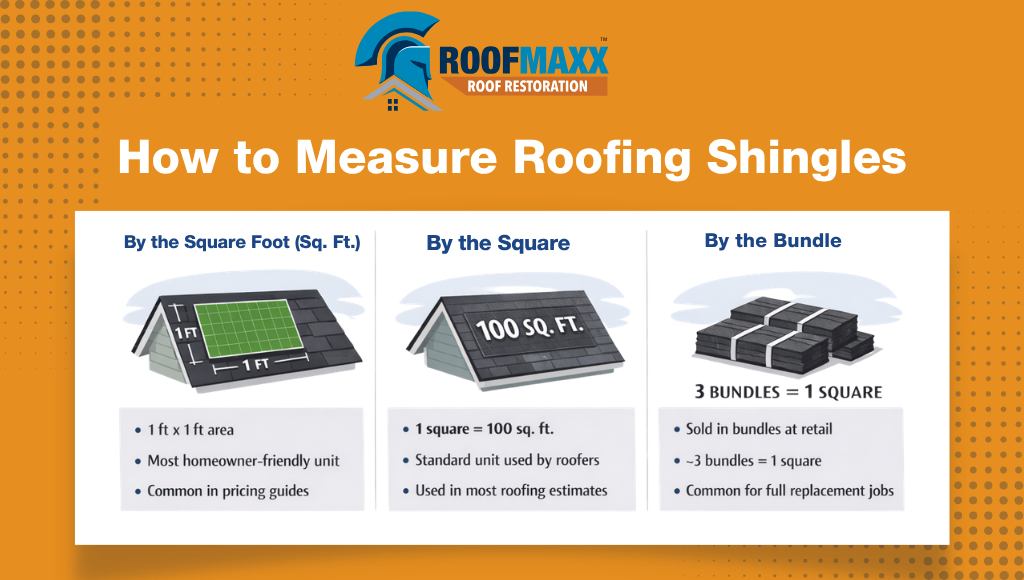
One of the most common questions we get in the roofing industry is why shingle pricing always seems so confusing. This happens because shingles are packaged and sold in three different ways depending on where you’re looking or who’s providing the quote.
ProTip: You can use the Measure Distance tool in Google Maps to roughly estimate the square footage of your roof based on your roof line. It won’t be 100% accurate, because it can’t factor in slope, pitch, or complex shapes, but it can still be useful for some projects.
While asphalt shingles are what most home and property owners look at first, they aren’t the only type of shingle out there. Compare how much each material costs by the square, see how long they typically last, and weigh the most important pros and cons for yourself in the table below.
| Material | Cost per Square | Est. Lifespan | Pros | Cons |
|---|---|---|---|---|
| 3-Tab Asphalt | $70–$200 | 20–30 years |
|
|
| Architectural Asphalt | $100–$300 | 25–40 years |
|
|
| Luxury Asphalt | $150–$400 | 30–50 years |
|
|
| Steel | $400–$700 | 40–70 years |
|
|
| Aluminum | $300–$600 | 40–60 years |
|
|
| Wood Shakes | $400–$600 | 20–40 years |
|
|
| Composite | $100–$1,500 | 30–50 years |
|
|
| Slate | $800–$1,800 | 50–100 years |
|
|
After materials, the next biggest contributor to cost will be the size, shape, and overall complexity of your roof. In simple terms, the larger your roof, the more shingles you’ll need to completely cover it, and the more money you’ll spend hiring someone to put them on.
But this is a bit of an oversimplification. Very few residential roofs are actually flat, so the total surface area is almost always larger once you factor in the rise, slope, and other special features.
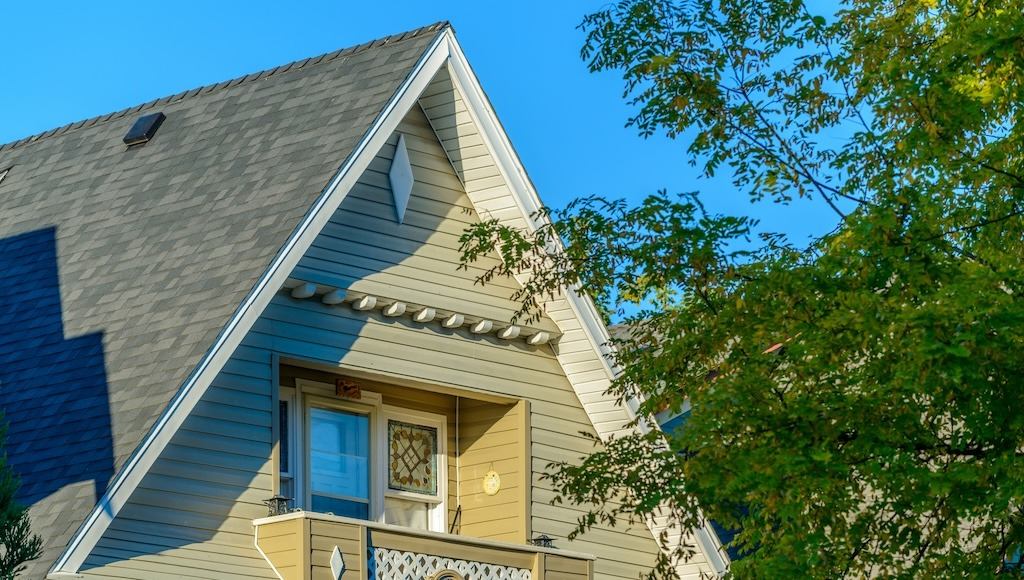
Roof pitch is measured from two numbers: the “rise,” which is how many inches the roof extends upwards vertically, and the “run,” which is the total horizontal distance it covers. These are usually written together as a ratio. So a “6/12 pitch” means your roof rises 6 inches for every 12 inches of horizontal distance.
As pitch increases, so does the total surface area of the roof, which increases the amount of materials needed. Contractors account for this by calculating the slope factor:
Slope factor = √((rise/run)² + 1)
For example, a 9/12 pitch has a slope factor of about 1.25. That means a roof with a 1,000 sq ft footprint would require roughly 1,250 sq ft of roofing material.
If math isn’t your thing, or you just want a faster answer, you can find the slope factor for other common pitches here in the US in the table below. Or, enter your own numbers on this calculator.
| Roof Pitch | Slope Factor | Estimated Material Increase | Example (1,000 sq ft roof) |
|---|---|---|---|
| 4/12 | 1.05 | ~5% more | ~1,050 sq ft |
| 5/12 | 1.08 | ~8% more | ~1,080 sq ft |
| 6/12 | 1.12 | ~12% more | ~1,120 sq ft |
| 7/12 | 1.16 | ~16% more | ~1,160 sq ft |
| 8/12 | 1.20 | ~20% more | ~1,200 sq ft |
| 10/12 | 1.30 | ~30% more | ~1,300 sq ft |
| 11/12 | 1.35 | ~35% more | ~1,350 sq ft |
| 12/12 | 1.41 | ~41% more | ~1,410 sq ft |
Lower-pitched roofers are also just generally less intensive and risky for contractors to work on, and this is often reflected in the price. In contrast, the slope on many a-frames, gambrels, mansards, salt boxes, and other roof designs can be so high that the job calls for special safety equipment and training.
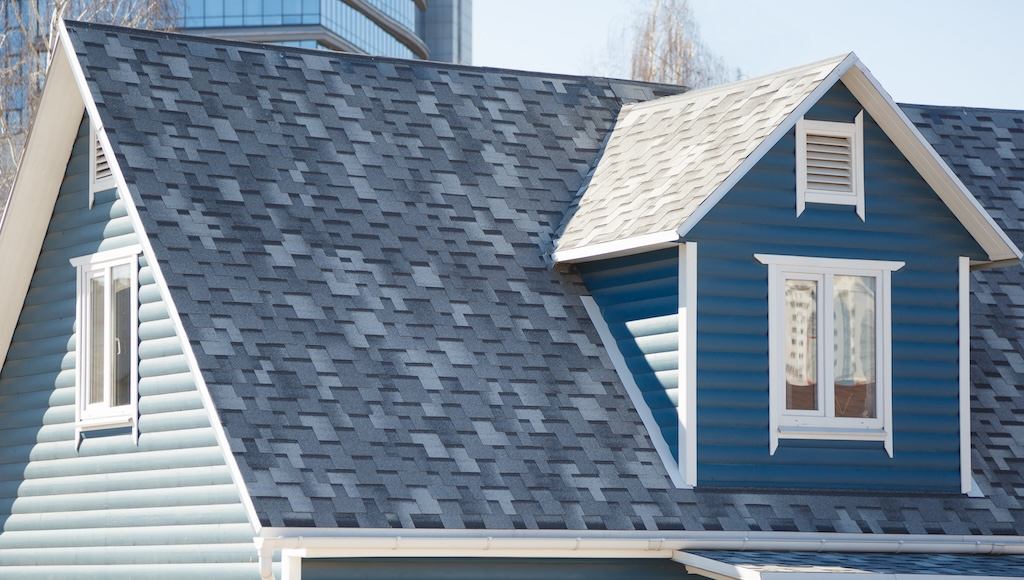
Roof features like chimneys, skylights, and vent pipes increase cost because they interrupt the roof surface. Every penetration point, from the connecting edges to the nails and fasteners that keep your flashing in place, must be properly sealed to keep out leaks.
Dormers and gables that have their own shingle roofs also increase the total amount of material needed to cover the entire roof. The need for additional underlayment, shingles, and seals along high-flow areas like valleys and ridges can also increase your final costs.
Even if two roofs have the same rough square footage, whichever one has more features and transitions will typically cost more to cover and install. This is why most roofing companies will only provide a quote on a job once they’ve had a chance to see your roof in person.
At this point, you’ve got a handle on the cost of materials. Now, it’s time to look at all of the other expenses and how they add up along the way.
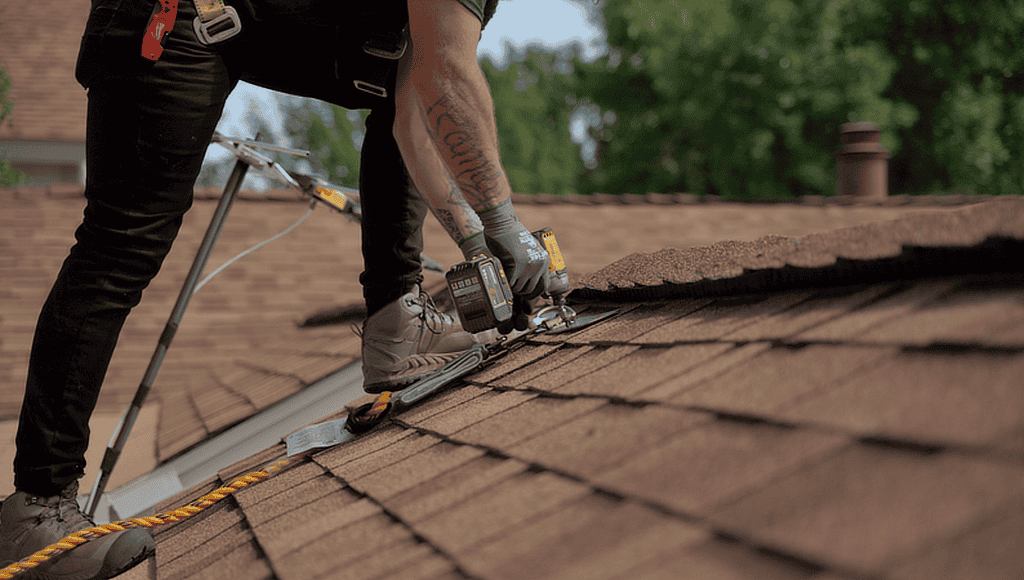
Just because roofing can be a DIY project doesn’t mean it should be! Major roofing jobs like total replacements can be risky or even dangerous if you don’t know how to work on a roof safely. That means you’ll need to hire people to handle the work.
In general, you can expect labor to take up around 60% of the total cost of your roofing project. For asphalt shingles this averages out to around $200–$350 per square. Labor costs for metal roofs will set you back around $400–$800 per square by comparison.
Labor costs also tend to vary significantly depending on where you live. As the Roofing Guild points out, the total cost per hour might range from as low as $44 to as high as $130 or more.
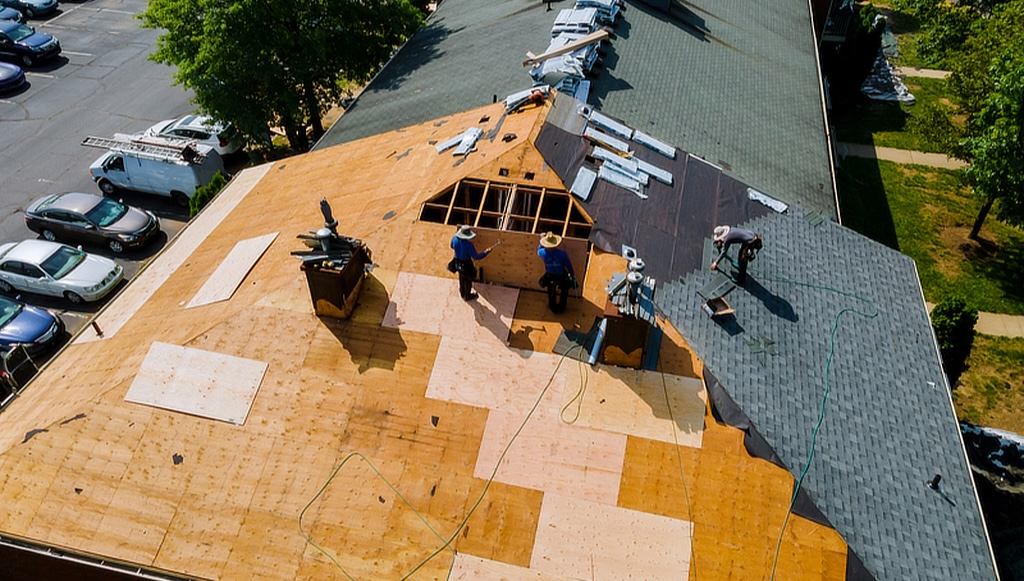
If you’re tearing off an old roof first, you’ll also pay a fee to have the old shingles removed and disposed of according to local guidelines. This can add anywhere from $1–$5 per square foot if the roofer you work with doesn’t already factor it into their installation costs.
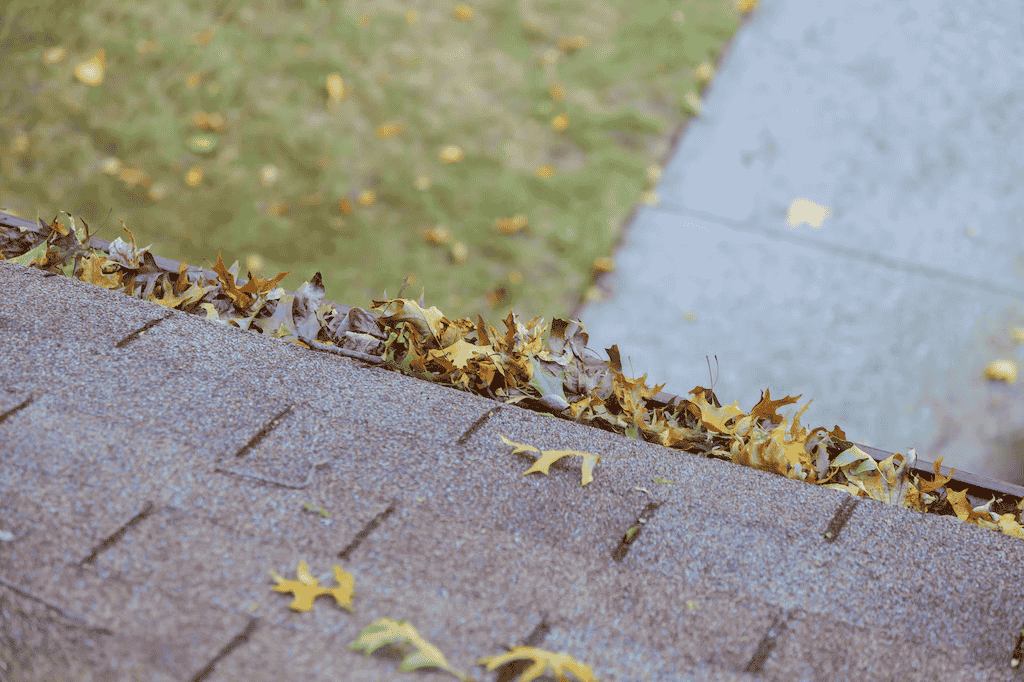
A roof isn’t finished until the gutters are installed. You can expect to pay around $628–$1,732 per linear foot to run gutters across your entire roofline, but the total cost will depend on the type of material you go with. 5 or 6-inch gutters are the most common option for residential homes.
Keeping your old gutters? We recommend having them professionally cleaned for $119 to $234.
Bats, bees, mice, rats, wasps, and wildlife can colonize your roof and cause serious damage to the rest of your home. The total cost will depend on what you’re dealing with: expect to pay $200–$600 for mice or rats, $230–$750 for bats, $150–$500 for wasps or bees, and significantly more for most other wildlife.
The answer is closer than you think…and probably much higher than you’d like! Our free calculator gives you a personalized estimate based on the size of your home’s size, location, and roof type. See your number in seconds, then find out how much Roof Maxx could save you instead.
Roof replacements are one of the most expensive home renovation or repair jobs most homeowners will face over the life of their home. While it is true that no roof can last forever, that doesn’t mean you shouldn’t do whatever you can to get as much life out of each one as you can.
Roof Maxx is a safe, all-natural roof restoration solution that can help you protect your investment over the years. It can also help roll back the clock when shingles start to feel brittle from years of exposure to the elements. To find out more, get your free, no-obligation quote.
Not exactly. Color doesn’t significantly affect the price within similar product lines across the same brands, but it can affect how the shingle reflects or absorbs light. Dark shingles get hotter faster in the sun, which may slightly reduce your heating needs when it’s cold out—but the effect is very minimal.
Some people feel that black shingles offer better resale value, too, but this is mostly a matter of personal opinion. How new your shingles are and what kind of condition they’re in matters much more.
Yes, but make sure it’s really necessary and you fully understand the fine print. Home equity loans, lines of credit, and contractor financing programs can help you spread out the cost of a new roof, but borrowing costs money. If you end up paying 30% more, you aren’t getting a good deal.
Sometimes. In most cases, your policy will only cover costs like these if your roof is damaged during a storm, a fire, or some other event beyond your control. They won’t usually cover wear and tear, negligence (even if it’s accidental), or age-related issues.
The answer depends on the size of your roof and the team working the job. Most asphalt shingle roofs can be torn off, cleared, and reinstalled within a few days to a week. Roofers will usually try to aim for mild weather (or at least arrive when it isn’t raining) to lower the risk of water intrusion.


With our five-year, transferable warranty, you’ll enjoy the peace of mind that your roof and entire home are protected.