Can You Power Wash a Roof? Risks, Safer Options, and Tips

Updated on : March 6, 2026
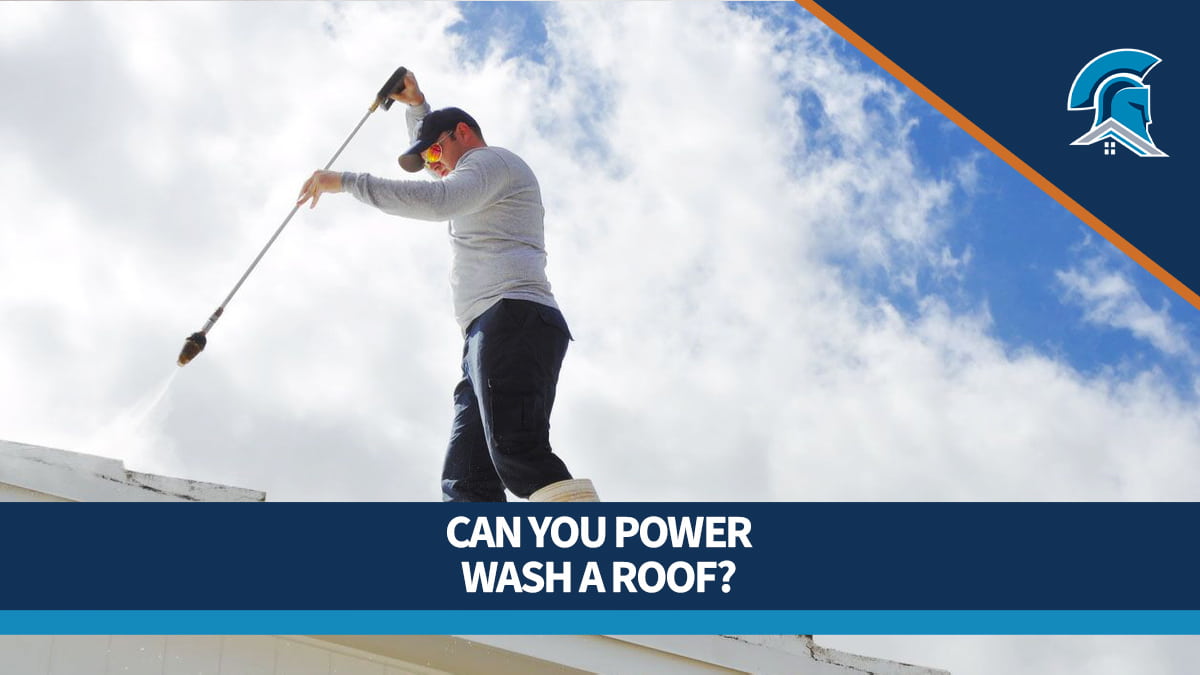
Homeowner spraying the roof of his home

Summary

Power washing isn’t recommended for asphalt shingle roofs because the amount of force and heat coming out of the nozzle can permanently damage your roof and shingles. Consumer pressure washers typically produce around 1,500–3,000 PSI of pressure. This can strip away the protective granules on the top layer, drive water under your shingles, and in some cases, even tear shingles off completely. Safer options include cleaning by hand, using a leaf blower, or scheduling a roof restoration appointment.

Time to Read 6–8 minutes
What You’ll Learn
  • Why you should never power wash your roof
  • How power washes damage asphalt shingles
  • The layers of an asphalt shingle
  • Safe ways to clean your asphalt shingles
Next Steps
  • Decide which option is right for you
  • Schedule a Roof Maxx treatment with free cleaning

When you look up at your roof and see the dirt and grime, it’s easy to become nostalgic for a time when your roof was new and clean. The simple truth is that asphalt shingle roofs take a beating over the years from the elements, so they will eventually start to look worn-out and aged.


Power-washing can be an effective option for driveways and some types of siding, but it is almost never the right option for an asphalt shingle roof. There’s a big difference between rain or hail and an intense, high-pressure stream of water aimed at the roof from above!


Below, you’ll learn why roofers don’t recommend it, what can happen if you do it anyway, and what you can do instead. We’ll also show you why Roof Maxx is an effective alternative.

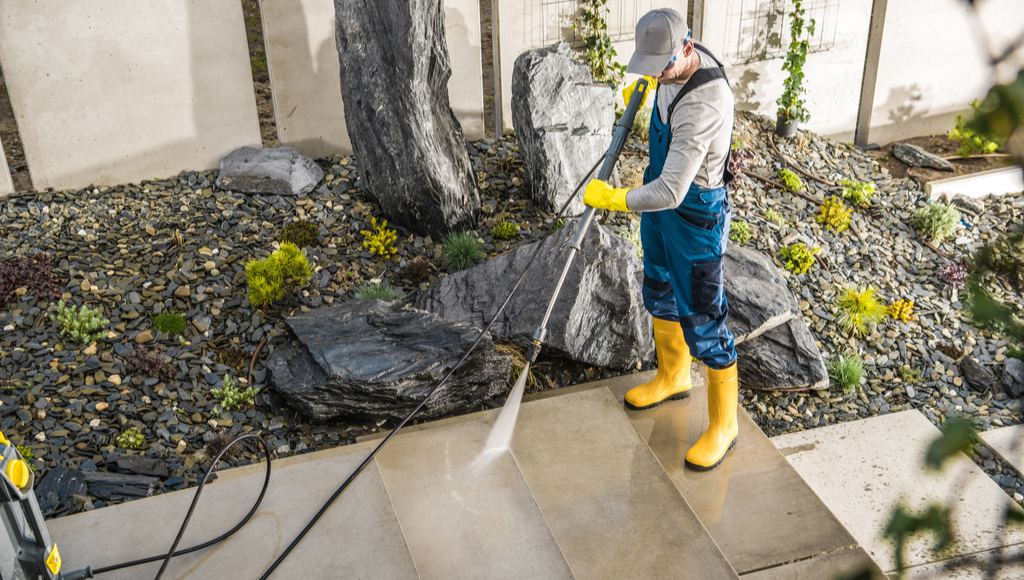
A worker power washes a customer's concrete flagstone pathway

The Science of Power Washing

Power washing is effectively using a machine to fire hot water at a surface through a narrow nozzle with a ton of force. The type you’ll typically find at your local hardware store typically runs at around 1,500 to 3,000 PSI (pounds per square inch). Industrial devices are even more powerful!


To put that into perspective, your standard garden hose only delivers around 100 PSI. You’ll get a bit more pressure with pressurizing nozzles, but even that doesn’t come close to power washing.


That kind of force is great for:

  • Blasting oil stains off concrete or pavement
  • Removing old paint from bricks or concrete walls
  • Stripping mildew, algae, or mold off of vinyl siding 

It’s also really important to note that power washing and pressure washing aren’t the same thing. Pressure washers apply the same amount of force, but don’t pre-heat the water. They’re a little more forgiving on surfaces like wood or vehicle tires, but we still don’t recommend using them to clean your roof.


Read more: How to Clean Your Home’s Gutters

How Power Washing Damages Your Roof

There’s a reason power washing videos are so popular online. Watching dirt disappear in seconds is incredibly satisfying. The problem is that the same force that makes those videos fun to watch can cause serious damage to your roof just as quickly.


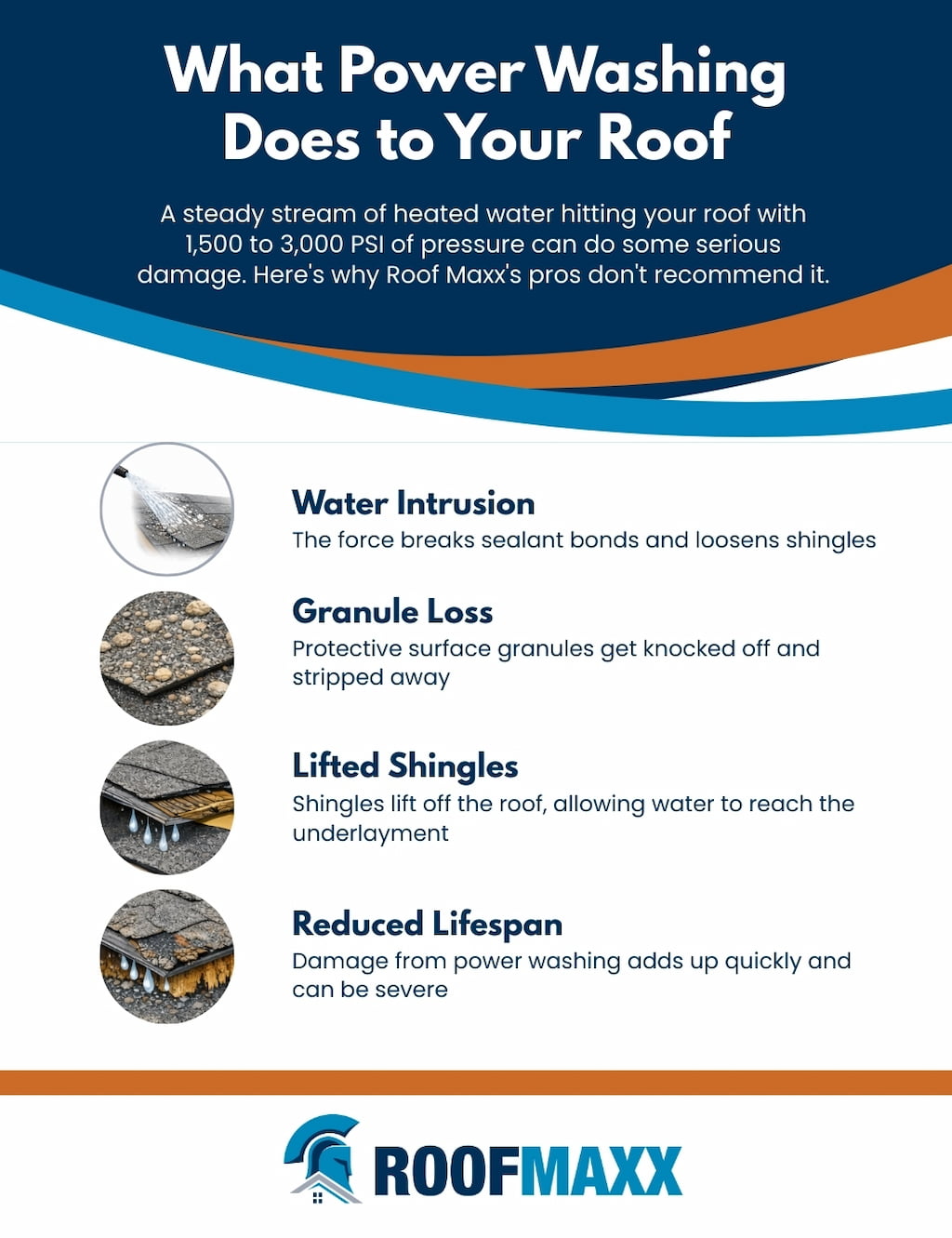
This is easier to see than to explain, so take a look at the diagram below first.

To break down exactly what’s going wrong, here, you need to know that shingles are your roof’s first line of defense against the elements.


They’re made up of multiple layers:

  • The core is typically made from fiberglass or organic felt
  • A thick layer of asphalt over it provides flexibility and water resistance
  • A fine layer of surface granules that protect against weather and UV rays
  • A self-sealing strip of adhesive that keeps each shingle connected to the roof

This multi-layered design is very effective at shedding water, ice, and snow down toward the ground, which is why most roofs are sloped. But the way they’re installed and fastened into place does create connection points that are more vulnerable to leaks if water isn’t falling from the sky.


Once you start spraying hot, pressurized water at them, especially from the side or below, water ends up forced between, underneath, and around your shingles. At best, you’ll spray the granules right off of them. At worst, you might even power wash off an entire area of your shingles—and that’s expensive to fix! 

Powerful "Washing" Options Without the Force

So, what can you do to clean your roof without battering it completely? The good news is that you do have quite a few options depending on what’s going on and what you’re trying to remove.

1. Try a Little Old-Fashioned Elbow Grease (And a Good Detergent)

If you have the right equipment and skills to get up on your roof safely, you can try washing your shingles by hand. Here’s what you need to know if you go this route:

  • Dawn dish soap can be surprisingly safe and effective!
  • You can also create a solution of 1 part bleach or vinegar to 3 parts water with a dash of detergent.
  • Apply the mixture to the surface of your roof using a soft brush or non-pressurized sprayer.
  • For stubborn algae, moss, or lichen, use a deck brush to work it in gently and brush debris away.

You can also get a commercially available roof cleaning solution like Spray & Forget. Products like these are specially formulated to help clean asphalt shingles without harming them.

Not everything that ends up on your roof needs to be scrubbed or washed away. For twigs, sticks, pests, leaves, and other debris, you can often just use a leaf blower to push them down along the slope and off the edge of your roof.


Leaf blowers don’t put out as much pressure as a power washing device, but you do still need to take care to keep it aimed down the roof. Never blow directly across your shingles or point the blower upward at them from the ground, or you might cause the same kind of damage.

Roof Maxx isn’t exactly designed to clean asphalt shingles, although some customers do notice that their roof looks newer and fresher right after a treatment. The main benefit is that it soaks down deep into the asphalt core to replace the petrochemical oils that evaporate over time, making them flexible again.


A single treatment can:

  • Reduce your risk for cracked, broken, or missing shingles that compromise your roof.
  • Improve water resistance and how effectively your roof sheds water down onto the ground.
  • Extend the life of your roof by up to five years—or 15, if you reapply at regular intervals.

A well-maintained roof is more likely to look good from the curb over time, but every Roof Maxx treatment also comes with a free inspection and basic cleaning. So, it’s an effective way to tackle both maintenance and cleaning at the same time while saving money.

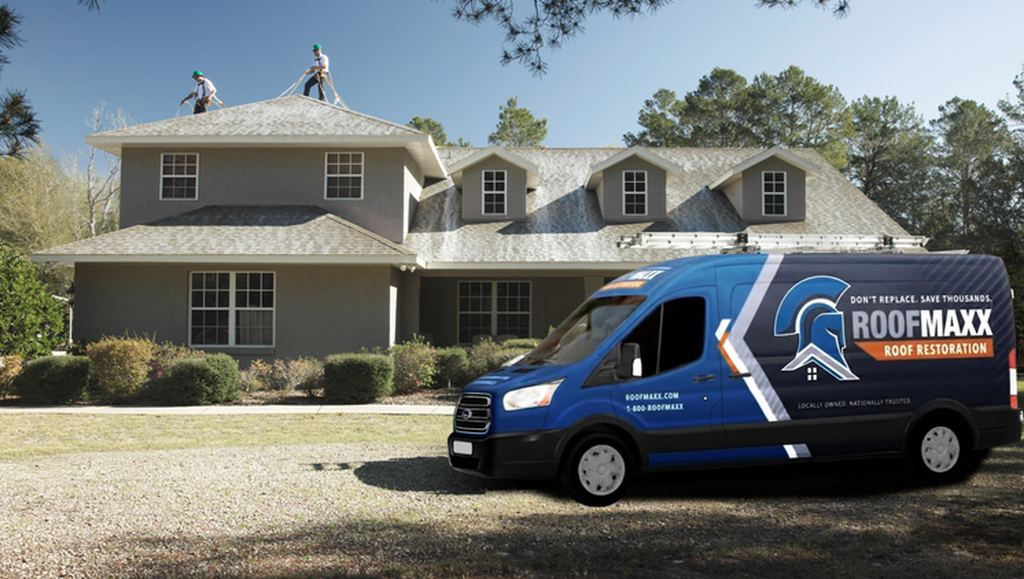
Two Roof Maxx dealers spray the treatment onto a customer's home behind a branded Roof Maxx van

Make Roof Maxx a Part of Your Roof Maintenance Plan

You want your asphalt shingles to last as long as possible and look their best. Roof Maxx can help you achieve both goals while saving you more money on roofing upgrades over the life of your roof. It’s a sensible and effective solution that helps you make the most of the roof you already have.


Don’t spend your hard-earned money on wasteful cleaning or maintenance solutions that do more harm than good. Find out if you qualify for Roof Maxx by getting your free, no-obligation quote today!

Share this post
Facebook
LinkedIn
X
Reddit
Tumblr
Threads
Email
Print
Picture of Kylie Hunt
Kylie Hunt
With a background in communications and a deep understanding of marketing strategy, Kylie crafts content that’s honest, human, and helpful—whether she’s writing for homeowners or business audiences. Known for her optimism, organization, and storytelling style, she makes sure every Learning Hub article not only informs, but makes the reader feel seen.
Stay ahead of home repairs and protect your investment
Subscribe now for expert roofing and maintenance tips straight to your inbox!

Five Year Transferable Warranty

With our five-year, transferable warranty, you’ll enjoy the peace of mind that your roof and entire home are protected.

Stay ahead of home repairs and protect your investment
Subscribe now for expert roofing and maintenance tips straight to your inbox!