
Maintenance is quickly becoming the most reliable way for homeowners to protect their investment now that so many people are priced out of the market. Mortgage rates climbed from 2.77% in early 2021 to 7.76% by late 2023, while median home values jumped from $317,100 to $442,600 in just two years. The same math is playing out with roof replacements, because timely repairs and roof restoration cost much less than a new roof or home.
| Time to Read |
|
| What You’ll Learn |
|
| Next Steps |
|
For decades, the playbook for an aging home was simple: sell it, buy something newer, start building equity in it. The reality today is that trading up like this is no longer an option for many homeowners.
Skyrocketing real estate prices priced many people out of the market completely over the past decade, and mortgage rates are still prohibitively high. The median age of homes across the US is now 36 to 80, depending on where you live, so it can be difficult to find anything “new” even if you have money to spend.
Below, we’ll break down the reasons why maintaining what you have makes the most sense in our current economy. You’ll also learn why you should start with your roof and why Roof Maxx can help.
To fully understand what’s actually happening here, you need to know a few quick facts about the housing market and how trends have played out in the past.
Add in the 8% to 10% sellers typically pay in commissions and closing costs, plus moving expenses and any updates the new place needs, and trading up starts to look like a bad financial decision. Staying put and making the most of what you already have might be smarter—or the only option.

Every dollar you put into your home matters when moving isn’t on the table anymore. If you only ever react to problems instead of working to prevent them, you’ll get trapped in a cycle of missing minor issues until they become so severe that your only option is total renovation or replacement.
If you make maintenance your first priority:
It’s hard to argue with the logic. The one catch is that homes built before 1940 do tend to cost more to maintain than newer builds, but that’s somewhat expected when a home is close to 100 years old. And if they were well-maintained over the years, they’re still less likely to need fixes in the first place.
Tearing off an asphalt roof and replacing it completely can cost you up to $24,000 or more depending on where you are and how large your roof is. That’s a major hit to the wallet even if you have strong equity in your home. Yet, it’s often quoted as the only option for an aging roof even if it’s not necessarily true.
If your asphalt shingle roof is still in generally good condition, but the shingles are brittle, dried-out, or starting to crack, your roof could still have years of life left in it. Sometimes, a quick repair or two and roof restoration are all you need.
Both will cost you a whole lot less than a new roof or home!
The catch is that this only works if you catch problems early. Once you have patches of shingles missing, severe leaks, or structural damage, you’re much more likely to need a total replacement.
Roof maintenance doesn’t have to be complicated. You just need to know what to watch for, what you can handle on your own, and when to call in a pro for help. The info in the chart below will give you a good place to start, but you may need to adapt it to fit your needs.
For more helpful tips on roof maintenance, see How to Maintain Your Roof.
ProTip: Keep a simple log of inspections, repairs, and treatments (even those you handle yourself) so you can show proof of care if you ever need to sell or file a warranty claim.
| Task | How Often | What’s Involved | DIY or Pro? |
|---|---|---|---|
| Ground-Level Visual Check | Monthly And After Storms |
| DIY |
| Gutter Cleaning | Spring and fall |
| DIY or Pro |
| Trimming Overhanging Branches | As needed |
| DIY or Pro |
| Professional Inspection | Every 1-2 years |
| Pro |
| Minor Repairs | As needed |
| Pro |
| Roof Maxx | As needed |
| Pro |
*We recommend scheduling your first Roof Maxx treatment by around years 8-10, but Roof Maxx is an effective alternative to replacement for roofs that are much older. What matters more is the overall condition of your roof and shingles. Find out if you qualify with our free roof assessment.

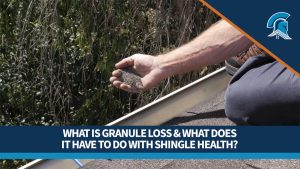
Asphalt shingles age the same way as asphalt roads. Over time, they dry out and lose flexibility, which makes them more likely to crack, break, or shed the protective layer of granules on the surface.
Roof Maxx is a safe, all-natural alternative to roof replacement that replenishes the oils in your shingles by replacing them with plant-based oils.
A single application can:
Some Roof Maxx dealers also offer a Roof Tune-Up that includes minor repairs like nail pops, failed caulking, and worn vent gaskets before the treatment goes on. Addressing problems like these at the same time you rejuvenate your shingles will help you get as much life as possible out of your roof.
Every treatment comes with a 5-Year Flexibility Warranty so you can feel confident that your shingles will continue to perform well for at least 60 months.
That’s a meaningful difference if you plan to stay in your home long-term. The less often you have to totally replace your roof, the less money you’re spending on it over time.

These days, maintenance is the new financial advantage whether you’re playing to stay where you are or you intend to sell. Small, predictable spending on inspections, minor repairs, and roof restoration almost always beats finding out that you’re out of options and need to move or install a new roof.
Roof Maxx’s multi-step roof restoration process can help you get more life out of your asphalt shingles, and that’s important because they’re your first layer of protection against the elements. To learn about the condition of your roof and find out if you qualify, schedule your free roof assessment today!
We recommend scheduling a professional inspection at least once a year, but you may need them more often if you live in an area with severe weather or storms. Some homeowners schedule them every six months instead in the spring and fall.
Yes! Just as it is with your vehicle, maintenance is almost always more affordable than emergency repairs or total replacements. Consistently taking proper care of your roof will help you keep costs down.
Rejuvenation works best on asphalt shingle roofs that are aging but still structurally sound. If the shingles are still attached, the deck underneath is in good shape, and the damage is limited to brittleness or granule loss, you likely qualify. Find out for sure right now!
Yes, depending on the condition. We regularly treat roofs that are 15 to 20 years old or even older, and the homeowners that choose it still get all the same major benefits. In fact, Roof Maxx could be the difference between putting on a new roof now and waiting for another 15 years to replace it.
A single treatment can extend the life of your roof by making shingles flexible again for up to 5 years. But you can have the treatment reapplied up to two more times at regular 5-year intervals to get up to 15 years of life out of your roof instead.

With our five-year, transferable warranty, you’ll enjoy the peace of mind that your roof and entire home are protected.