The right roof depends on budget, design, and climate. Gable roofs are affordable, while hip roofs provide better wind resistance. Flat roofs work well for solar panels or HVAC systems but often have shorter lifespans. In hot climates, terra-cotta, concrete, and EPDM perform best in lighter colors. Metal roofs can last over 50 years, while asphalt shingles average about 20. With regular care and roof restoration services, your asphalt shingles will stay flexible and keep performing well.
Time to Read
6-8 minutes
What You’ll Learn
Hip, gable, butterfly, flat, curved, and domed roof basics
The pros, cons, and cost of each roof type
Which type of roof is best based on your climate
The best way to maintain your asphalt shingle roof
Next Steps
Explore your options for your next roof
Schedule a Roof Maxx treatment to get more life out of your asphalt shingle roof
The Different Types of Roof Designs & Styles
Your roof can be one of the biggest home improvement costs you ever face, but taking care of it is a worthwhile investment. Choosing a roof that’s suitable for your climate, home design, and budget will protect you and your family for many years to come!
But which type of roof is best for your home? Below, we’ll teach you about the different types of roofs and outline how they stack up in terms of affordability, performance, and lifespan. We’ll also show you how Roof Maxx treatments can make asphalt shingle roofs last longer by re-infusing them with lost oils.
Compare Different Roof Styles in 3 Minutes
We made a video to explain the pros and cons of different roof types.
Watch now and learn about:
Gable roofs
Hip roofs
Gambrel and mansard roofs
Butterfly roofs
Shed or flat (mono-pitch) roofs
Why Roof Maxx is often suitable for most roof types as long as they have asphalt shingles in decent structural condition
Need more details after watching? Read the article below.
Types of Roofs
There are dozens of popular roof types available, and each has their own unique pros and cons. If you’re building a new home or re-framing your roof, the options listed below are a great place to start.
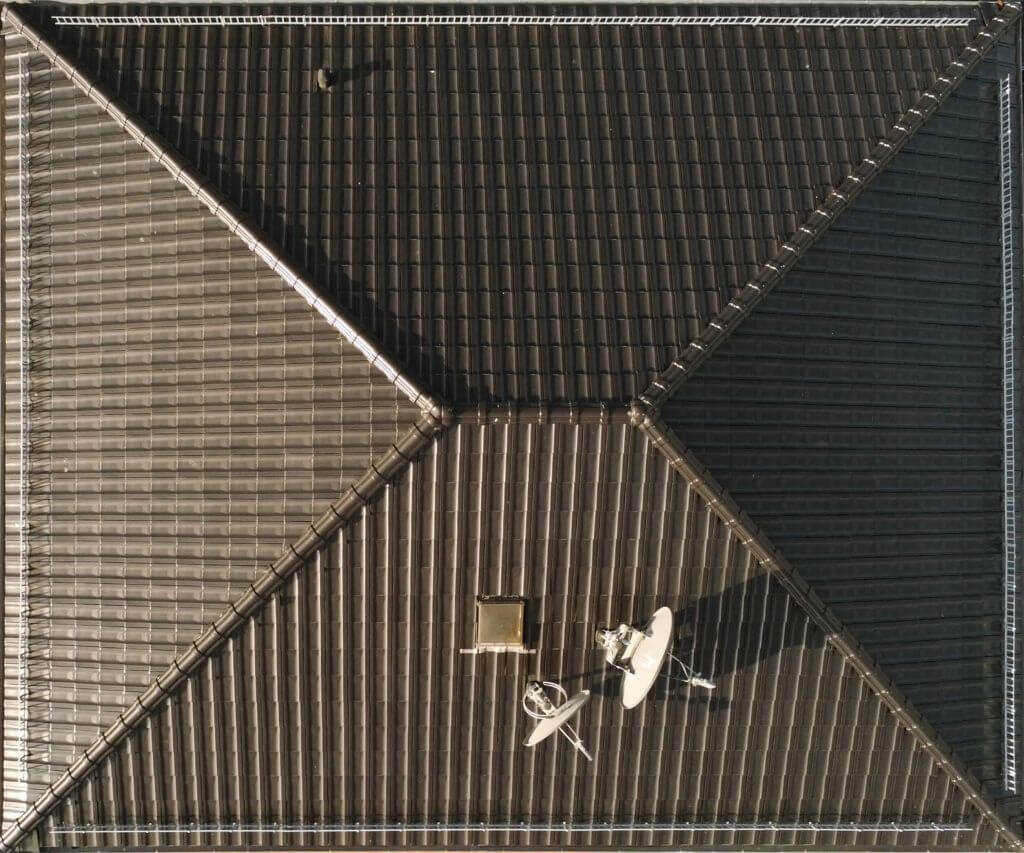
Top-down aerial view of a dark tiled hipped roof with satellite dishes and a chimney.
Hip Roofs
A hip roof has four sloping sides that come together to form a ridge at the peak. You’ll commonly see this design on residential homes in regions that see hurricanes, high winds, or heavy snow. Balanced slopes have an aerodynamic effect that helps wind move smoothly across the surface.
Pros:
Wind and rain-resistant (snow if steeply pitched)
More stable than traditional gable roofs
Water and debris slide off the slopes easily
Cons:
More expensive due to its complex design
Less attic space compared to gable roofs
Requires more time and materials to install
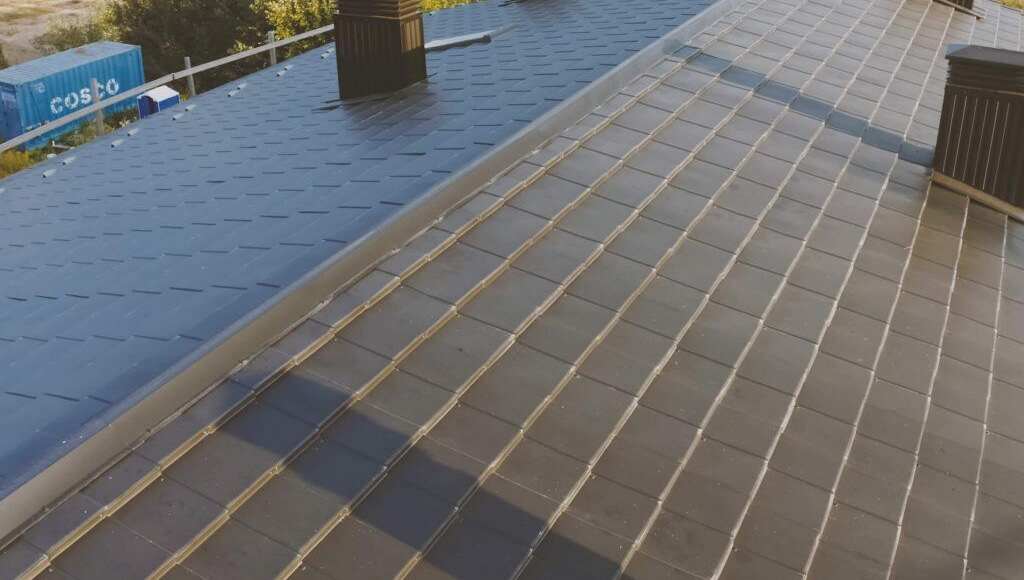
Angled aerial view of a dark metal tile gable roof with chimneys and a visible valley.
Gable Roofs
Gable roofs are the most common type of roof in America. The design can vary slightly, but they always have the same general triangular shape. The framework inside them is relatively efficient to build, which is why they’re so common in residential construction.
Pros:
Relatively affordable and easy to build
Plenty of room for attic spaces and ventilation
Steeper slope allows water and snow to drain off easily
Cons:
Can develop leaks if not properly sealed at ridges and valleys
Not ideal for areas prone to strong winds or hurricanes
Can suffer wind uplift, leading to damage
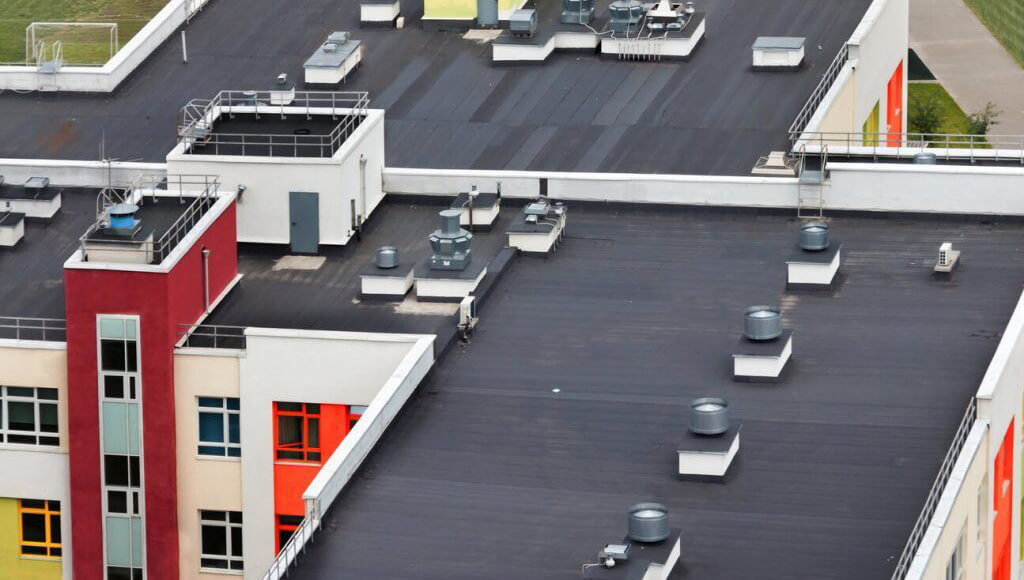
Top-down view of a flat bitumen roof on a colorful commercial or apartment complex with multiple HVAC vents.
Flat Roofs
Contrary to popular belief, most flat roofs aren’t actually flat—they just look that way. Most have a slight slope that averages around 1/4 inch and 1/2 inch per foot for drainage. Options in this category include built-up roofs (BUR), modified bitumen roofs (MBR), and rubber membrane roofs (EPDM).
BUR: The least expensive option, known for being fire-resistant and ideal for decks that look out of the roof, but also heavy and difficult to install.
MBR: Easy to install and energy-efficient, but not very durable (and can be a fire hazard.)
EPDM: Easy to install and very durable, but not energy-efficient, and can be easily punctured.
Pros:
Very compatible with solar panels and energy-efficient coatings
Can accommodate rooftop decks, gardens, or HVAC systems
Easier to construct than sloped roofs
Cons:
Shorter lifespan than sloped roofs due to water and weather exposure
Requires more maintenance due to water drainage issues
Can be prone to leaks if not installed properly
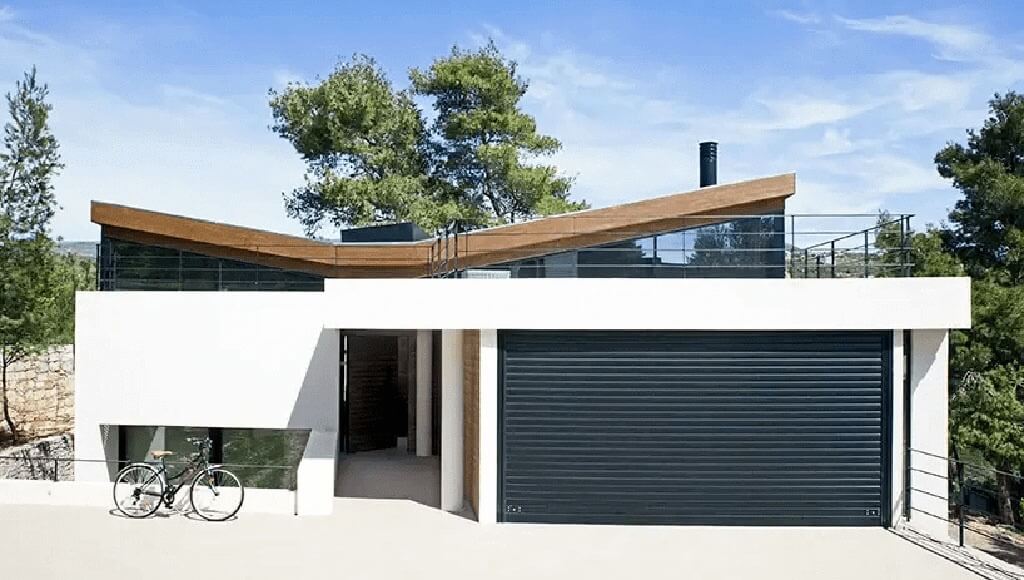
A modern home with a wooden butterfly roof, white walls, and a large dark garage door with a bicycle parked outside.
Butterfly Roofs
Also known as an inverted gable roof, the butterfly roof’s V-shaped style makes a strong design statement and is sure to stand out in the neighborhood. Some homeowners use the upward-sloping planes to harvest rainwater by channeling it into a tank or reservoir, while others just like the aesthetics.
Pros:
Eco-friendly features like easy rainwater collection
Pairs well with large windows or solar panels
More room for windows reduces the need for artificial lighting
Cons:
Central valleys need careful waterproofing
Difficult and expensive to install
Requires specialized materials
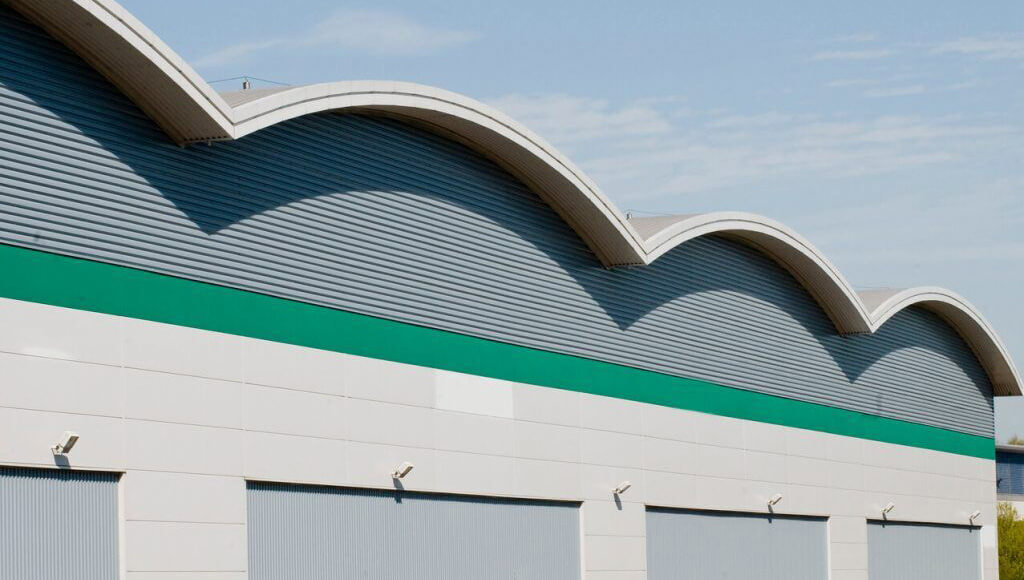
A curved roof with multiple arches on a commercial garage building with corrugated metal siding.
Curved
This type of roof looks just as it sounds. The curved shape was originally popularized by farmers looking to increase storage space in their barns, but it gained popularity during the 1950s. Some designs are single-span and have one continuous arch, while others are segmented, wave-patterned or scalloped.
Pros:
Unique, aesthetically pleasing design
Aerodynamic, wind-resistant shape
Very suitable for buildings in coastal regions
Cons:
Expensive and complex to build
Requires custom engineering
Many slopes increase maintenance needs
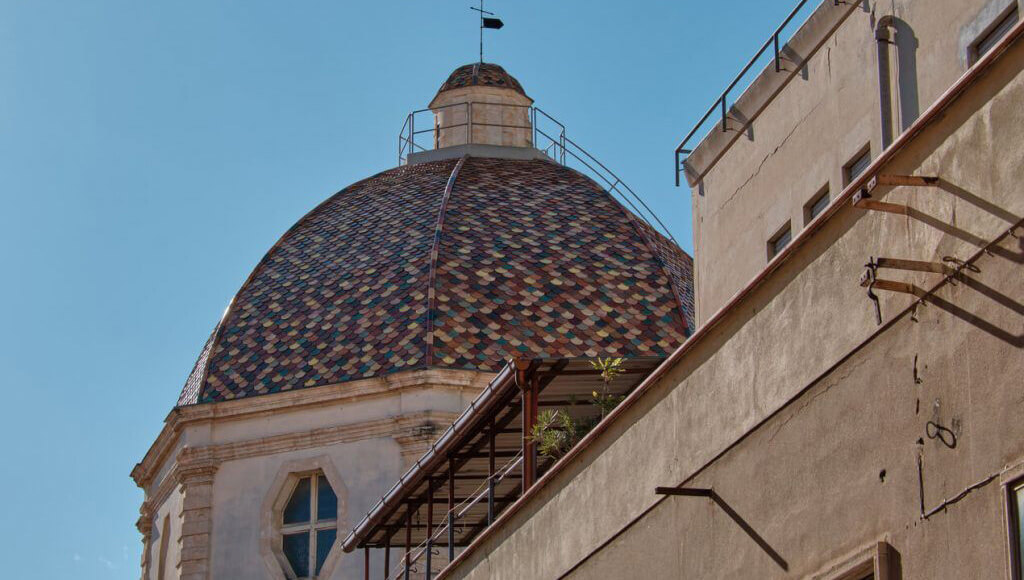
A domed copper and multicolored tile roof on a church steeple against a clear blue sky.
Domed
Domed roofs date back centuries, but they’re becoming more popular for their unique appearance and structural strength. The curved shape evenly distributes the weight of the roof across the surface, which can help reduce pressure on walls and other nearby structures—especially in bad weather.
Pros:
Very durable and resistant to damage and cracks over time
Energy-efficient shape helps keep temperatures even inside
Naturally resists wind, snow and water accumulation
Cons:
Difficult to modify and/or add chimneys, dividers, and other features
Considerably more expensive than traditional gable roofs
May require input from an architect or specialist
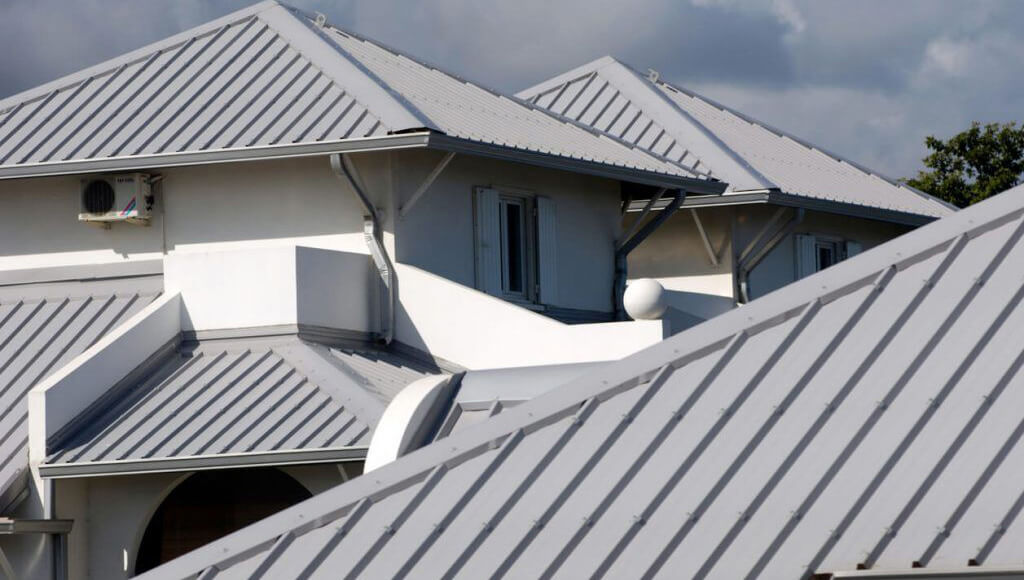
A grey metal panel roof on a modern residential home with multiple roof sections and an air conditioning unit.
Comparing Roof Types for Different Needs
Every roof type has unique benefits and disadvantages, but the climate in your area, local weather patterns, and maintenance preferences also matter. Here’s a handy comparison of the pros and cons as they relate to specific scenarios and needs.
Which Roof Style and Material is the Most Affordable?
Gable roofs are the most popular style, with hipped roofs coming in at a close second. Both are relatively easy to build, install, and repair, which helps to keep construction costs down.
As far as materials go, asphalt shingles are a top choice for budget-conscious homeowners. They’re durable, affordable, and will last around two decades if you care for them properly. Having a Roof Maxx treatment applied at the first sign of granule or flexibility loss (and every 5 years after that) can rejuvenate your shingles and buy you up to 15 more years.
What Type of Roof Is the Strongest?
A metal hip roof usually offers the most durability of any common roofing design. Because hip roofs have an inward slope, they’re ideal for regions that are prone to strong wind and frequent snow. However, treating asphalt shingles with Roof Maxx can greatly improve their performance and make them more resistant to the elements.
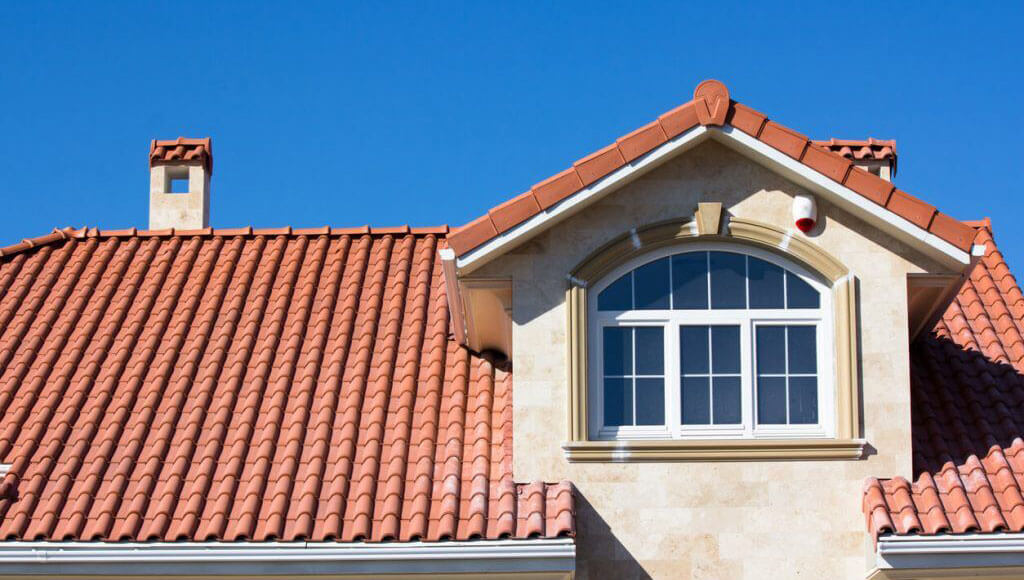
A clay tile roof on a Spanish-style residential home with a decorative dormer window.
Which Roof Is Best for Hot Climates?
Since many roof types are designed to be energy-efficient, the roofing material is what will make the most difference for homes built in hot climates. These options work best in regions with high temperatures and very dry conditions, like Arizona or California:
Terra-cotta tiles
Concrete tiles
EPDM
Metal roofs
Green roofs
Asphalt shingles may need more frequent care and maintenance in hot climates, especially when you compare them to metal roofs. On very hot days, the surface temperature can reach up to 150 degrees Fahrenheit, which is more than enough to cause thermal warping or cracking. Roof Maxx can help prevent this kind of decay by restoring the natural oils your shingles lose over time.
What Color Roof Is Most Energy-Efficient?
The lighter the roof color, the more energy-efficient the roof. This is because light-colored roofing tiles reflect light rather than absorb it like typical black asphalt shingles. If you already have a roof with black or darker asphalt shingles, you may be able to paint it a lighter color to improve efficiency.
You can get even better protection for your shingles without the risks that come with coating them with paint by treating them with Roof Maxx instead. Our safe, all-natural penetrant is environmentally friendly and can help you save money by prolonging the lifespan of your shingles.
What Type of Roof Is Most Energy-Efficient?
The most energy-efficient roofs are light in color, have a membrane system, and have a pitch that is less than or equal to 2:12. EPDM flat roofs are one of the best options in this category, but have a higher risk of punctures and shrinking that can lead to leaks over time.
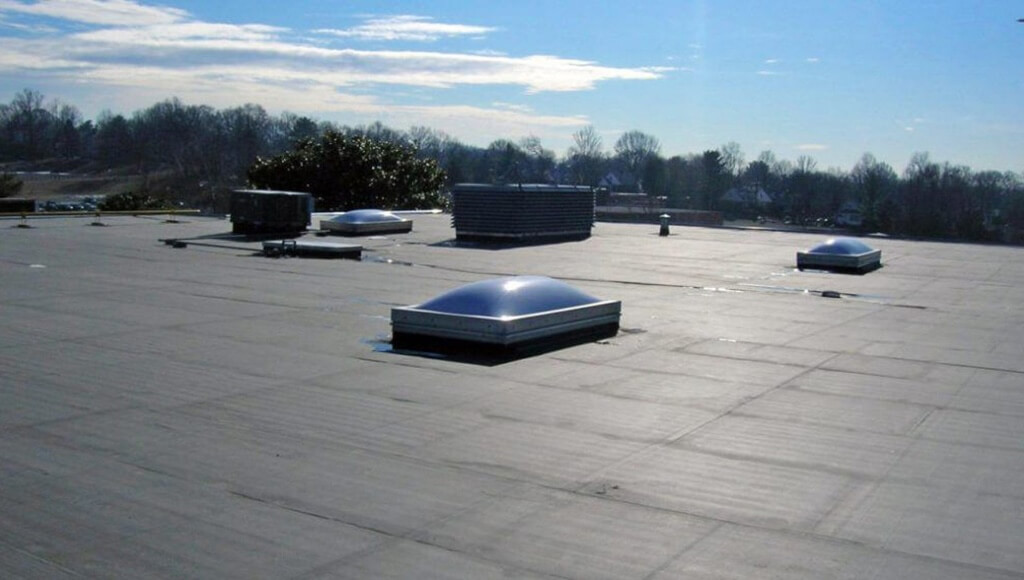
Skylights installed on a flat EPDM roof next to large vents and HVAC equipment.
Which Roofing Material Lasts the Longest?
Metal roofing materials tend to last longer than shingle, slate, or tile roofs. While asphalt shingles usually last about 20 years, you can expect a metal or steel roof to last up to 50 years or more! Just bear in mind that installing metal roofing is much more expensive upfront.
One alternative is to treat your asphalt shingles with Roof Maxx, which costs up to 80% less than a full roof replacement and can add up to 15 years of life to your existing shingles. This can save you from the high costs of metal roofing while making the roof you have last longer.
Comparing Roofs Side-by-Side
Roof Type
Cost ($/sq ft)
Average Lifespan
Maintenance Needs
Best Climates
Efficiency Features
Other Benefits
Hip Roof
$8 – $12
40-50
Low
Windy
Good insulation
Excellent wind resistance, stable structure
Gable Roof
$6 to $9
~40
Moderate
Temperate, Snowy
Good ventilation
Simple and affordable, good drainage
Flat Roof (BUR)
$2.50 to $4
15-30
High
Urban, Dry
Fire-resistant
Room for rooftop gardens and patios
Flat Roof (MBR)
$5.50 to $12
20-30
High
Urban, Temperate
Energy-efficient
Easy to install
Flat Roof (EPDM)
$4.25 to $12
30-50
Moderate
Urban, Variable
Optional reflective “cool roof” coating
Durable, low maintenance
Butterfly Roof
$10 – $20
30-50
High
Hot, Dry
Ideal for solar and rainwater collection
Modern aesthetic
Curved Roof
$12.50 – $25
40-50+
Moderate
Windy, Coastal
N/A
Aerodynamic, unique design
Domed Roof
$15 – 30+
50+
Low
Extreme Weather
Naturally energy-efficient
Extremely durable, long lifespan
Extend the Life of Your Roof with Roof Maxx
No matter which roofing style you choose, it’s wise to do everything you can to prolong the life of your roof. And while regular maintenance and inspections are important, Roof Maxx’s roof restoration service is specifically designed to help homeowners with asphalt shingle roofs add up to five years of life to their shingles so they aren’t forced into an expensive, life-disrupting total replacement early.
When appropriate, our 100% natural shingle rejuvenation treatment can also re-infuse your asphalt shingles with lost oils, making them flexible again. It’s safe for pets, kids, and the environment and costs up to 80% less than a new roof. Connect with a dealer in your area now to protect your roof!
George Karakitsios owns the website and marketing technology behind Roof Maxx. He has spent more than 12 years building web experiences for homeowners and Roof Maxx customers.