Smoke and carbon monoxide detectors should be installed on every level of a home and near sleeping areas so they can alert you to smoke, fire, or CO leaks as early as possible. Place smoke detectors in bedrooms, hallways, kitchens set back from appliances, and main living areas, and mount them on ceilings or high walls away from drafts. Install CO detectors near bedrooms, basements with fuel-burning appliances, and garage entrances. Dual-purpose detectors help simplify home safety.
| Time to Read |
|
| What You’ll Learn |
|
| Next Steps |
|
In a residential fire, you have just two minutes to escape to safety. Carbon monoxide (CO) leaks are even more dangerous because CO is completely colorless and odorless; by the time side effects like nausea or dizziness kick in, you might already be too incapacitated or confused to leave.
Smoke and CO detectors give you more time to get to safety by alerting you to smoke, fire, or rising CO levels early, which can potentially save lives. Every home should have them, but where you install them can impact how well they work or even if they work at all.
In this guide, you’ll learn where to install both of these devices for maximum protection. We’ll also tell you why taking care of your roof can help lower your risk for a fire and show you how roof restoration with Roof Maxx can extend the lifespan of your shingles without making fires more likely.
Important Note: The info in this article is based on general guidance from FEMA and the U.S. Fire Administration. Detector requirements vary by location and change over time, so for specific placement advice and current local codes, contact your local fire department or building inspector.
Always follow the manufacturer’s instructions and other applicable safety regulations!
The right answer is “as many as you need,” But what exactly does this mean?
The U.S. Fire Administration recommends installing at least one smoke detector on every floor of your home. CO detectors should be installed in central areas and close to or in sleeping areas so that harmful carbon monoxide can’t build up behind closed doors without triggering the alarm.
Smoke detectors should be placed in:
If you have any reason to question whether you should install a detector in a specific area, call your local firehouse and ask for clarification. Most will happily provide advice based on your needs.
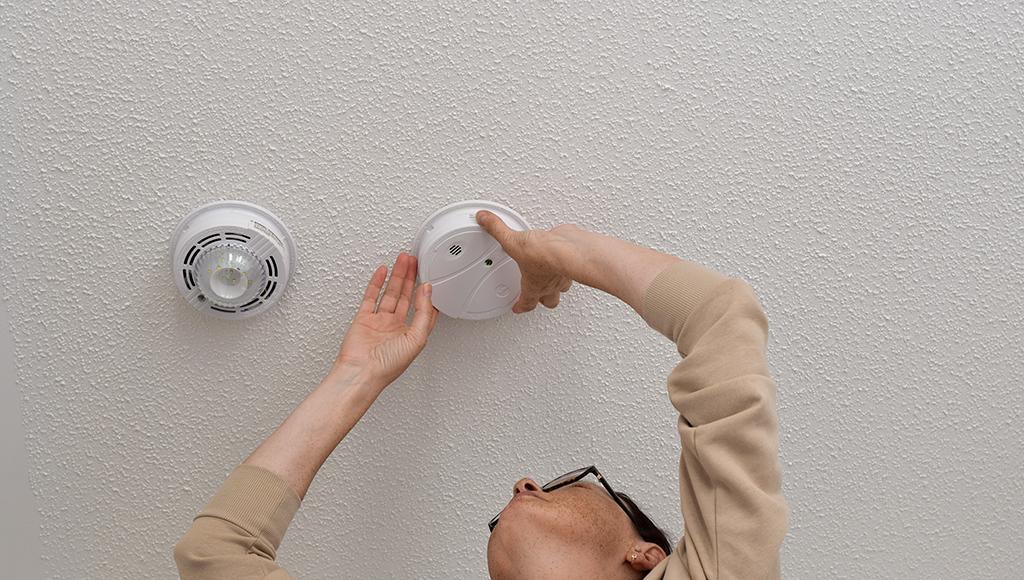
Both smoke and heat rise, which is why most agencies recommend mounting on the ceiling. If sloped surfaces, beams, tiles, or other obstructions make that impossible, you should install them on the nearest wall approximately 4 to 12 inches down from the ceiling instead.
Drafts and wind can prevent early detection by blowing away smoke and CO particles, so you should avoid placing detectors near a window, door, or vent. But don’t install them in areas with restricted airflow, like pantries or crawl spaces, either. Set them up in areas where indoor air can circulate freely instead.
CO detectors should be placed in:
If you’re feeling overwhelmed by the sheer number of devices you need to install at this point, know that you have options. Dual detectors can help you get the protection you need more efficiently, but you’ll still need to install them on every floor and in the right places.
Carbon monoxide mixes with the air, so placing detectors at eye level or higher is generally effective. If it’s easier to remember, you can just place them side-by-side with your smoke alarm on the wall. The suggested height is more or less the same.
Don’t install CO detectors in humid areas like the bathroom, sauna, or indoor/enclosed pool. Moisture can interfere with accuracy and may even lead to frequent false alarms.
Combination detectors have sensors for smoke, fire, and carbon monoxide, which simplifies the installation process and makes getting the protection you need more affordable. You will pay a little bit more upfront for a dual detector, but won’t need as many of them when all is said and done.
For best results, place dual detectors wherever you would normally place smoke and CO detectors. This includes hallways near sleeping areas, main living areas, and kitchen. What’s most important is that you have at least one on every level.
The rules aren’t that different for very large homes or houses with special features. Place at least one detector on every level of your home, including the basement and attic.
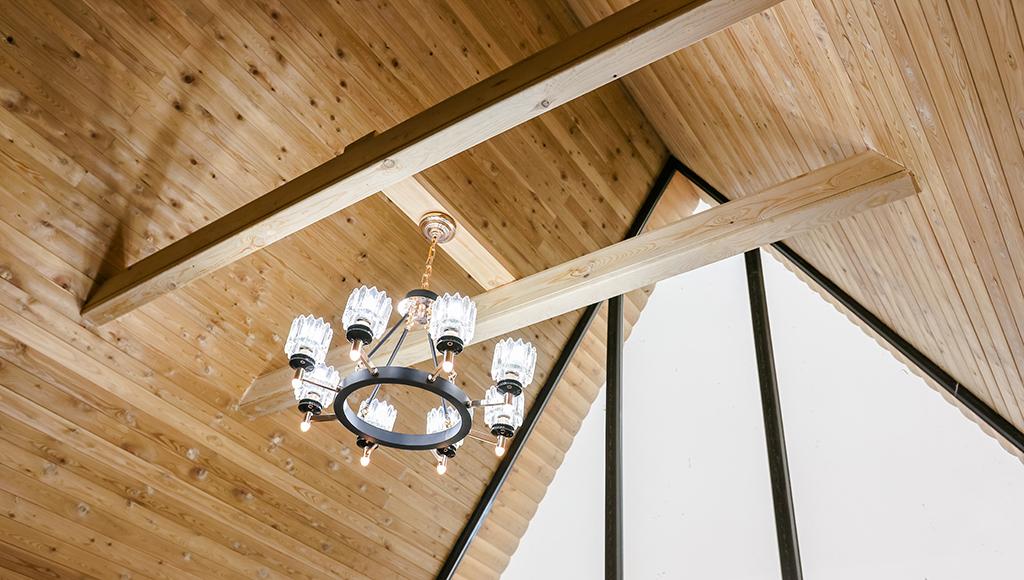
If you have vaulted ceilings, the general recommendation is to install them at least 4 to 12 inches from the highest point even if that’s much higher than a typical wall.
Smoke and CO detectors can fail without warning. The worst possible time to realize that they aren’t working is in the middle of a fire or crisis, so it’s best to test all devices at least once a month.
To test most devices:
When in doubt, throw it out and replace it with a new one. Always follow up fresh installs with another round of testing to make sure they aren’t defective out of the box.
Smoke and CO detectors need very little maintenance throughout the year. For best results, you should lightly vacuum or dust each detector every six months or so to remove dust or debris, which can obstruct the sensors. If it’s easier, make it a part of your weekly cleaning schedule instead. It only takes a second!
The connection between roof maintenance and fire safety is much stronger than many homeowners realize. Asphalt shingle roofs are particularly prone to drying out as they age.
This can cause your shingles to:
A damaged roof can also expose sensitive wiring to the elements. If water from a leak makes contact with an electrical charge, it may spark, arc, or set off a charge that you don’t notice until there’s an obvious fire.
Keeping your asphalt shingles in good condition lowers the risk of hazards like these and helps you avoid expensive repair jobs. Roof Maxx helps roll back the clock on aging shingles by making them flexible again so your roof can perform more like it did when it was new.
In some cases, it might even help you keep your home insurance policy.
Following the instructions in this guide is one of the best ways to protect your home and loved ones from fires or CO leaks. For even better protection, you can also install a home security system that lets your chosen provider send out fire crews right away even if you aren’t home.
Your asphalt shingle roof is your first line of defense against the elements, but shingles can dry out and become brittle over time. Roof Maxx can help rejuvenate each shingle so they can perform more like they did when they were new without raising your risk for a fire. Get a free inspection now to see if you qualify!
With our five-year, transferable warranty, you’ll enjoy the peace of mind that your roof and entire home are protected.