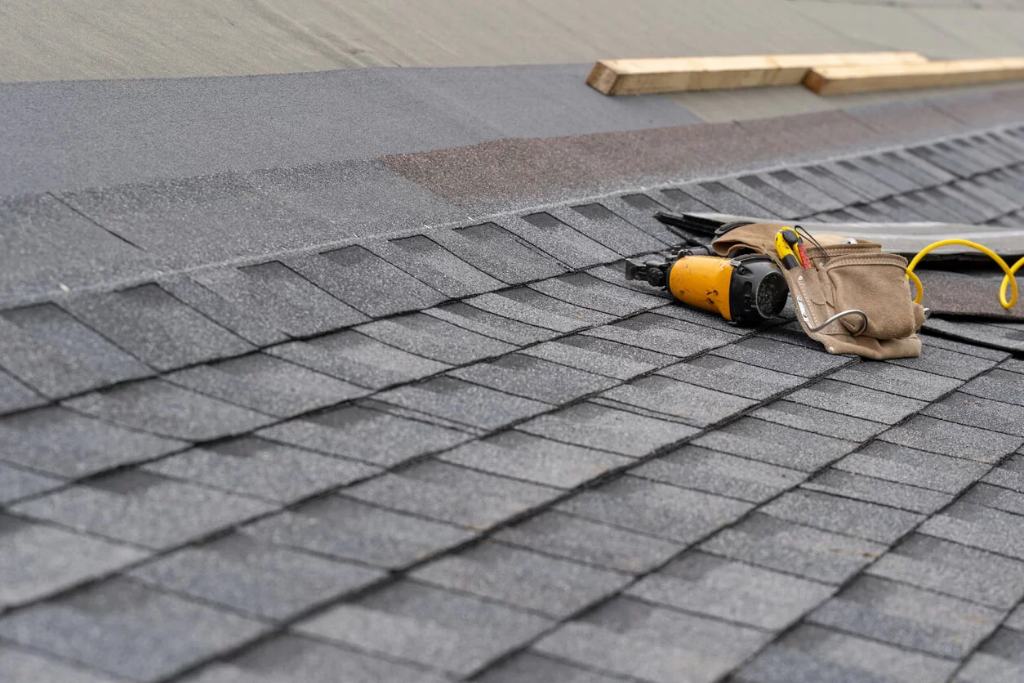
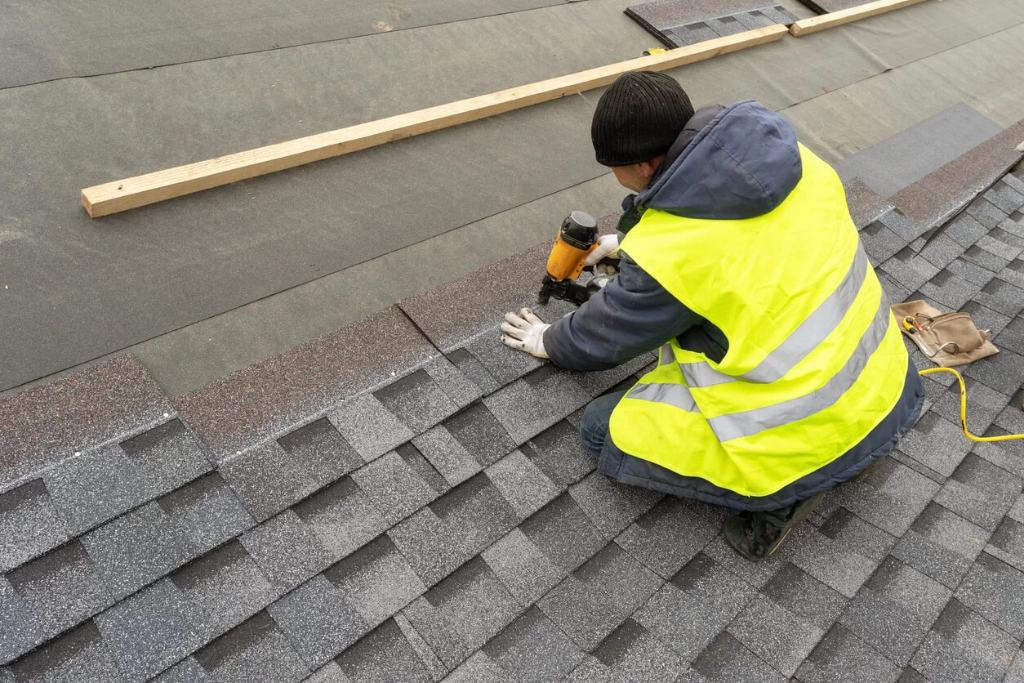
New shingles should be installed in clear weather and mild temperatures. Clear the area first, then remove the old shingles one-by one. Install new flashing around chimneys and vents to prevent leaks. Map out the shingle layout before proceeding so each row stays straight and properly aligned, then follow your shingle manufacturer’s instructions. Letting a professional roofer handle the work reduces future risks, and roof restoration can be preferable for unbroken shingles that are aging but otherwise in good shape.
| Time to Read | 6–8 minutes |
| What You’ll Learn |
|
| Next Steps |
|
No matter how much you stay on top of routine roof maintenance and repairs, you’ll eventually need a new roof. Though it’s highly recommended to leave installing new roofing materials to an experienced roofing contractor, knowing how to install roof shingles can help you maintain and preserve your roof.
There is one catch: the process can be time-consuming and tricky, especially if you’ve never worked on your roof before. This guide will give you a bit of insight into how to lay shingles the right way. We’ll also tell you how Roof Maxx can help you avoid the costs of a total replacement until it’s absolutely necessary.
Working on your roof can be dangerous if you’re not prepared. You need to do what you can to protect both yourself and your property from damage.
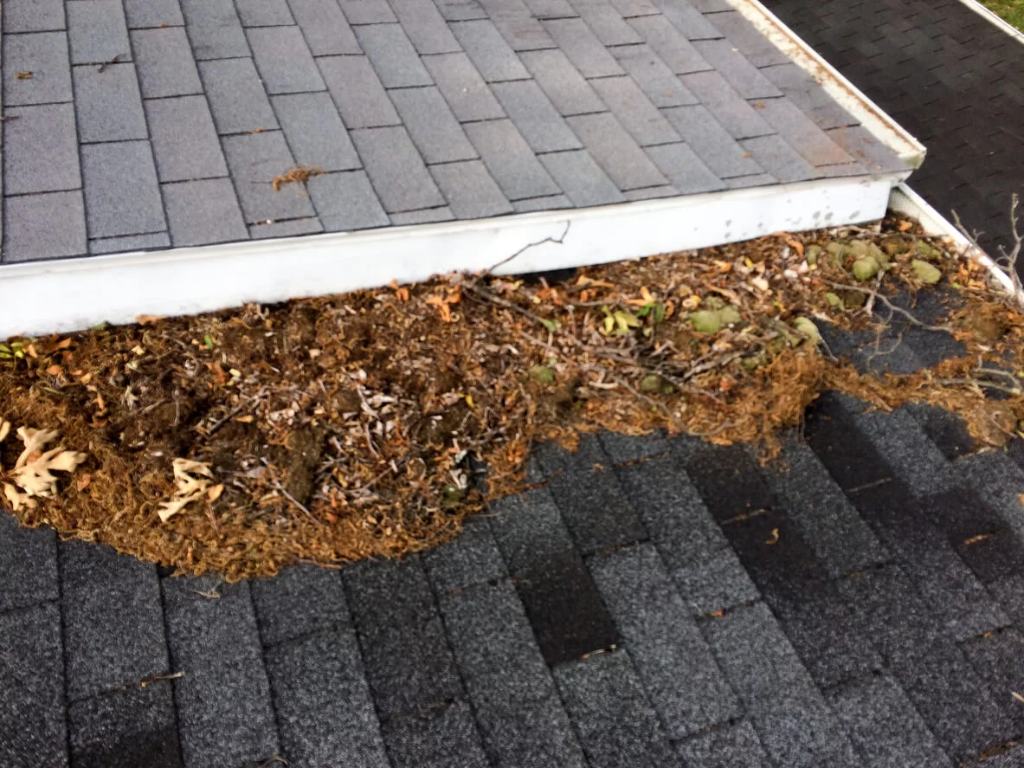
Start by cleaning the work area. Clear away any plant debris or obstacles that might turn into tripping hazards around the exterior of your home.
If you have plants close to the house, this is the time to cover them. Spread sturdy tarps or blankets over fragile plants to protect them from dropped tools and debris. Pull any yard games or lawn furniture away from the house to protect it from damage in the shingle installation process.
When you’re learning how to put shingles on a roof, the first thing to bear in mind is that you’ll be working at quite a height. You’ll also be exposing your home to the elements from the time you begin until the job is done. This means you need to make sure the weather conditions are favorable for the job.
Roofing work is highly physical labor, and the clothes you wear can have a huge impact on how easy it is for you to get the shingles down quickly. If you can, wear sturdy work pants like heavy denim jeans and a shirt that gives you a full range of motion in your shoulders.
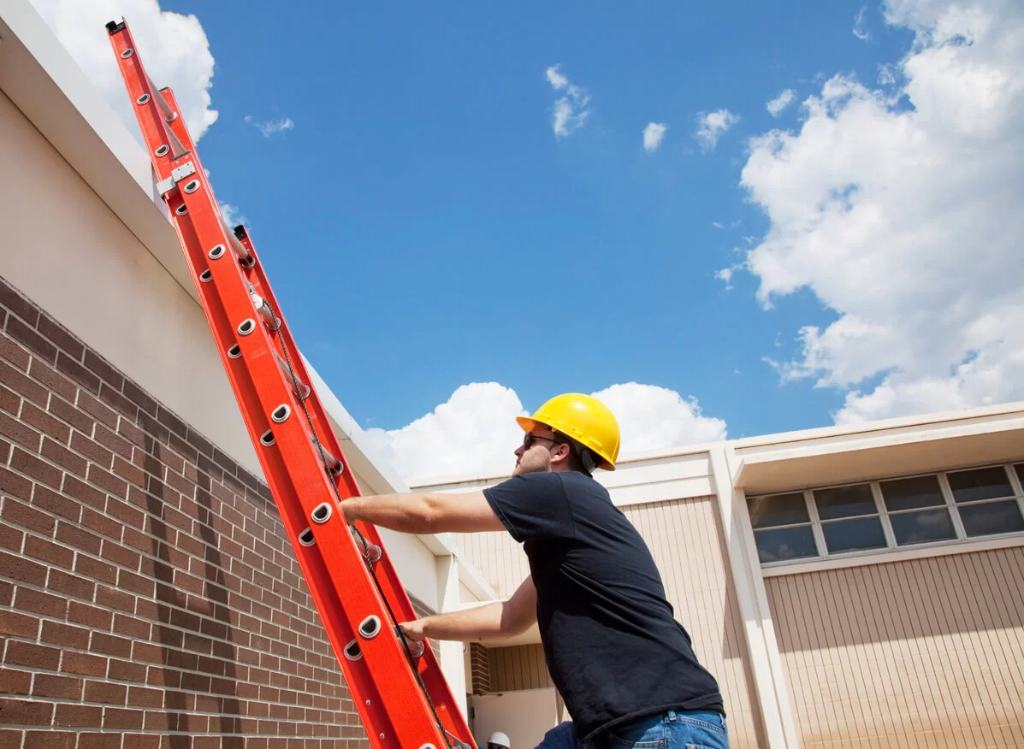
Before you start working, make sure your ladder is in good condition. The base should sit firmly on the ground and reach above the edge of your roof.
If the ladder is too short or unstable, replace it before you start working. And if you can, get someone to hold the base of the ladder while you’re on it to further improve stability.
Once you’ve taken care of the necessary safety precautions, it’s time to get the roof itself ready for the project. Keep in mind that this process is incredibly time-consuming, difficult, and potentially expensive if you damage the support structure beneath the shingles.
If you can, leave it to the pros. If not, follow these steps.
Take the time to clean your roof’s surface thoroughly.
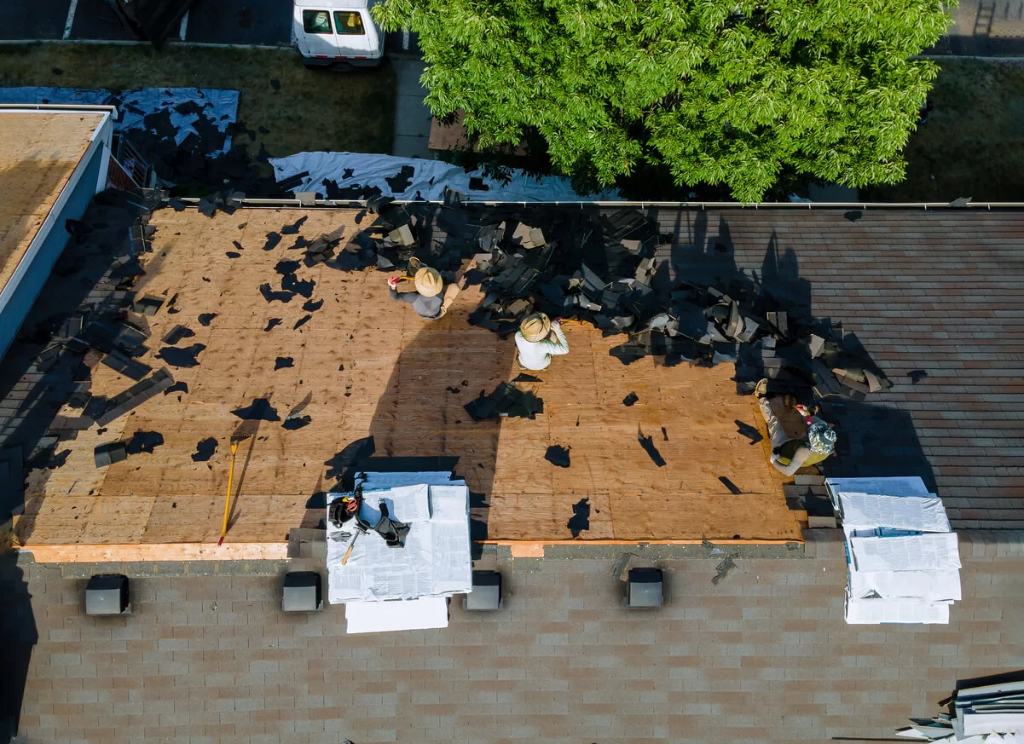
Once the surface is clean, it’s time to remove the old shingles.
Tip: It normally takes about three bundles of asphalt shingles to cover 100 sq. ft. of a roof.
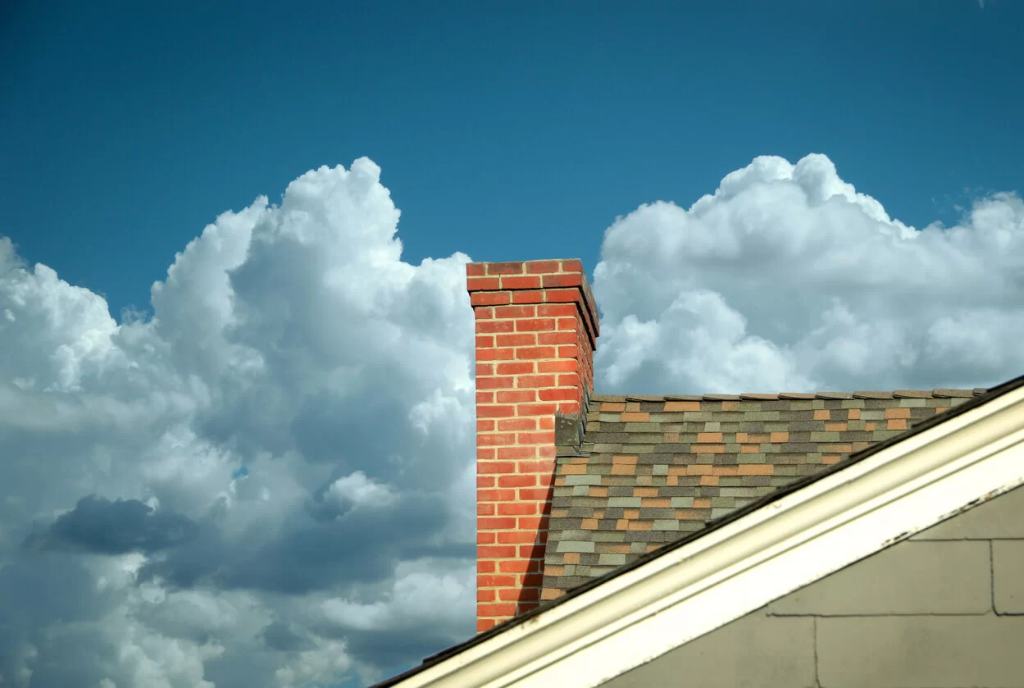
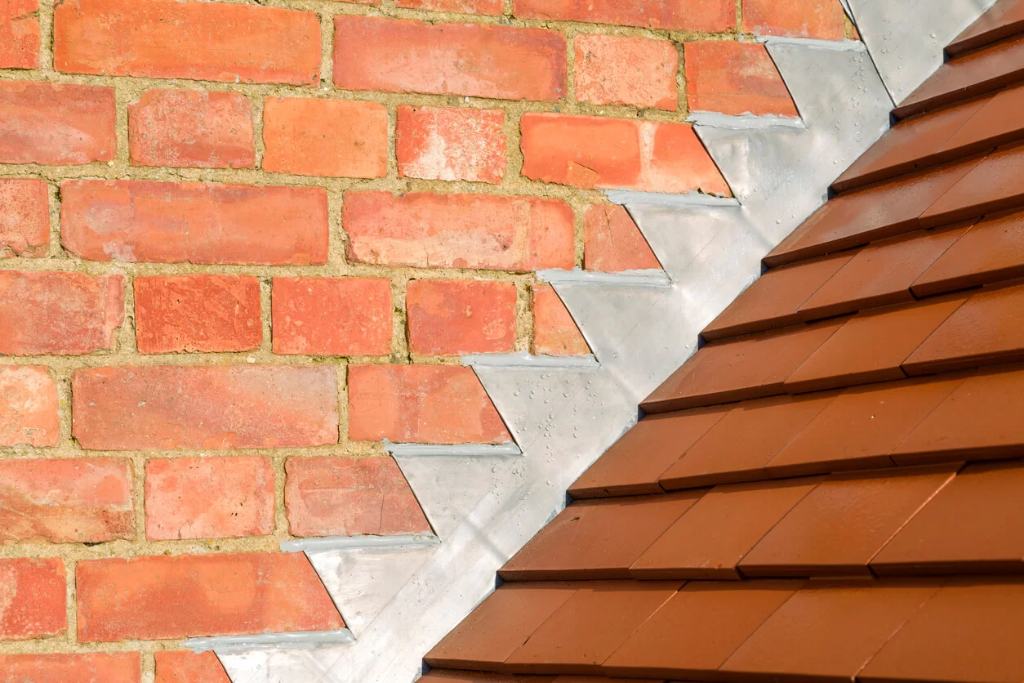
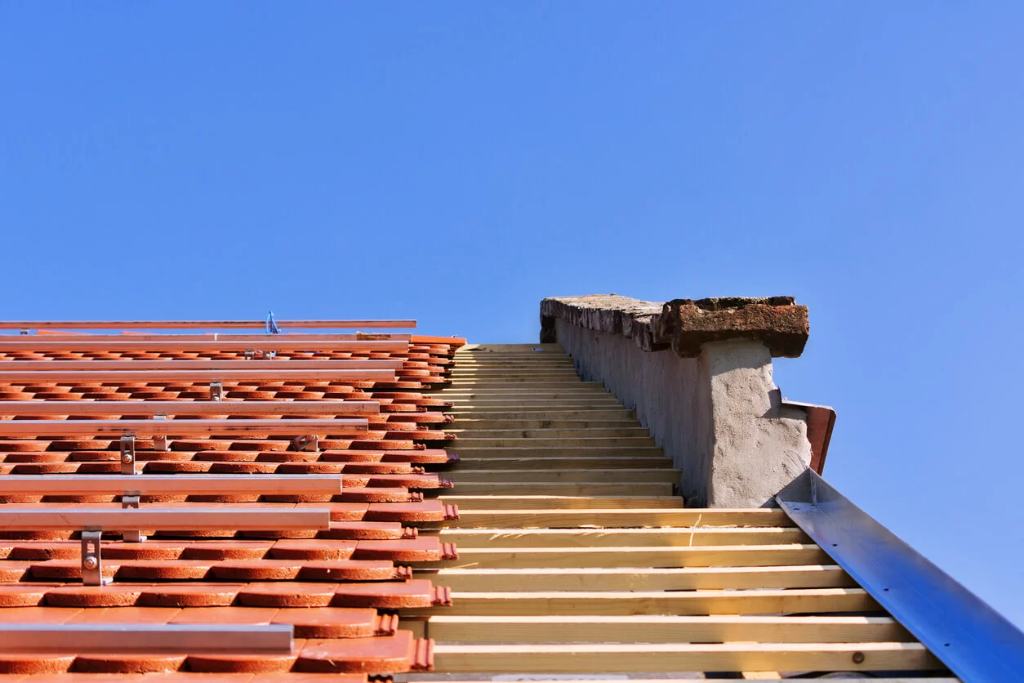
The metal strips that cover seams and joints between protrusions on your roof are called flashing. This includes the chimney, skylights, vents, and any other permanent fixtures that stick out of the roof.
One of the most important parts of learning how to install roof shingles is figuring out how to lay the shingles out. Plan your layout before you start nailing shingles in place.
Each shingle manufacturer will have a suggested layout and mounting technique that you can use to guide the process.
If you lay them out correctly, you’ll create a water- and impact-resistant barrier between your house and the elements. However, if you leave gaps or plan incorrectly, you’ll leave openings for water and moisture to get into your attic space.
Installing roofing materials the right way makes all the difference in your roof’s durability and functionality. The methods you’ll use will also depend on the types of materials you choose to install.
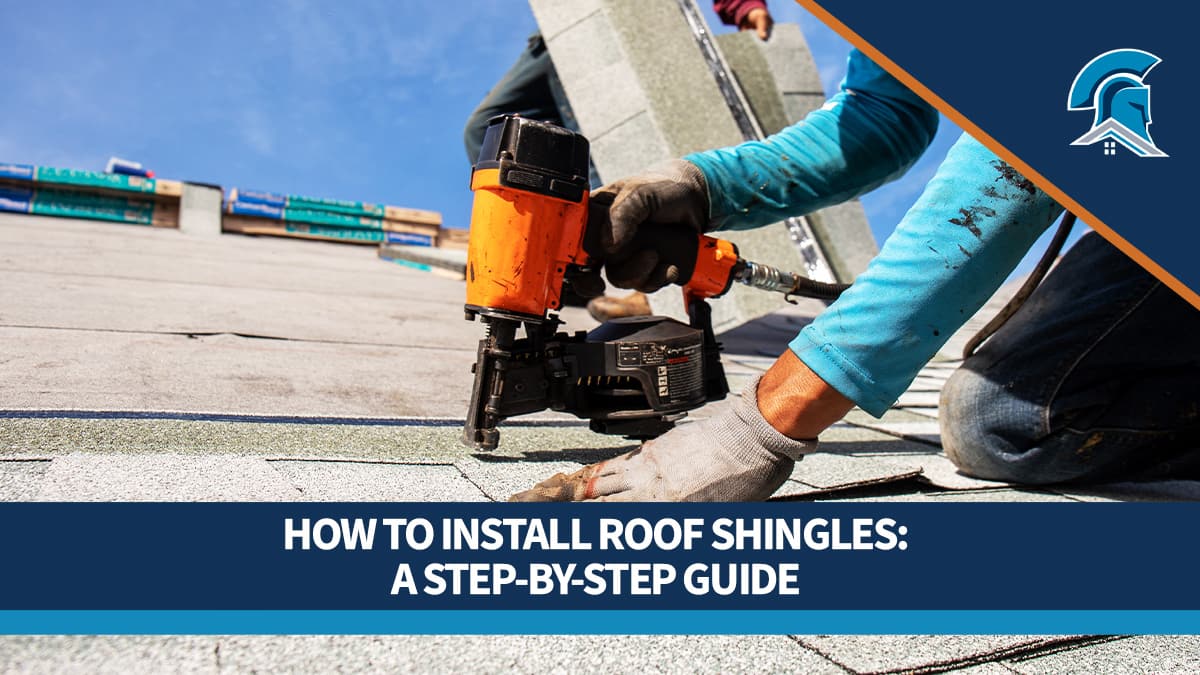
Before you nail the first shingle into place, check with the manufacturer and find out how they suggest you secure the shingles. They’ll have a recommended nailing pattern as well as recommended roofing nails for their products.
Now that you’ve taken the preparatory steps it’s time to actually learn how to install your shingles. Here is our recommended process.
Tip: Be mindful to hammer nails straight rather than at an angle. Each individual shingle should be held down by 4-6 nails. Six nails are preferred for regions that have heavy wind.
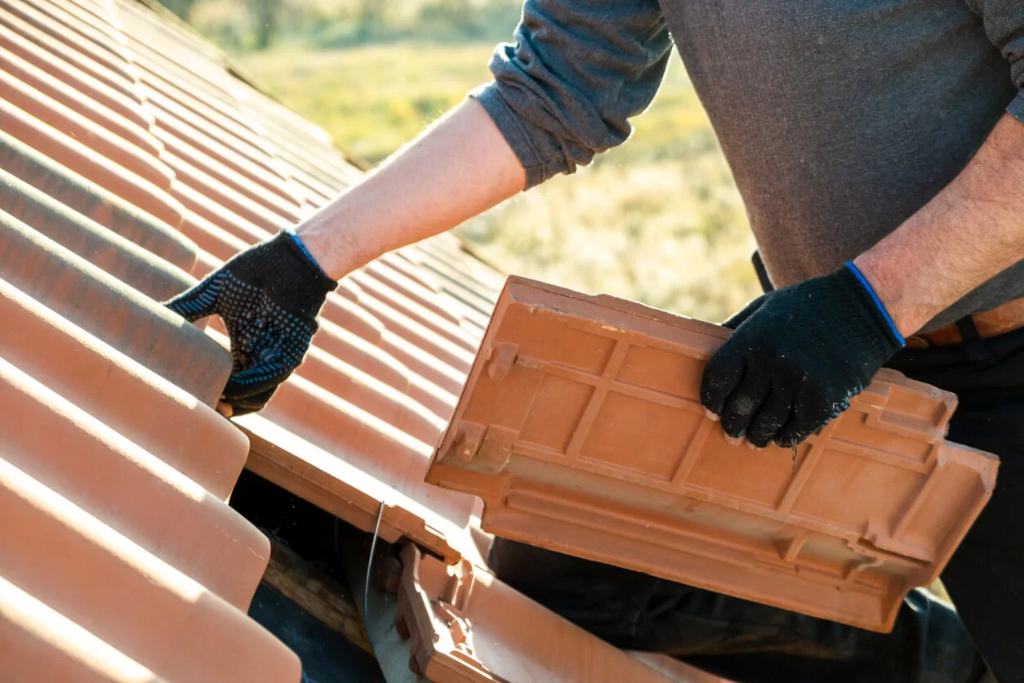
Clay tiles, like asphalt shingles, need to be installed in the right pattern. Map it out before you start placing tiles on the roof.
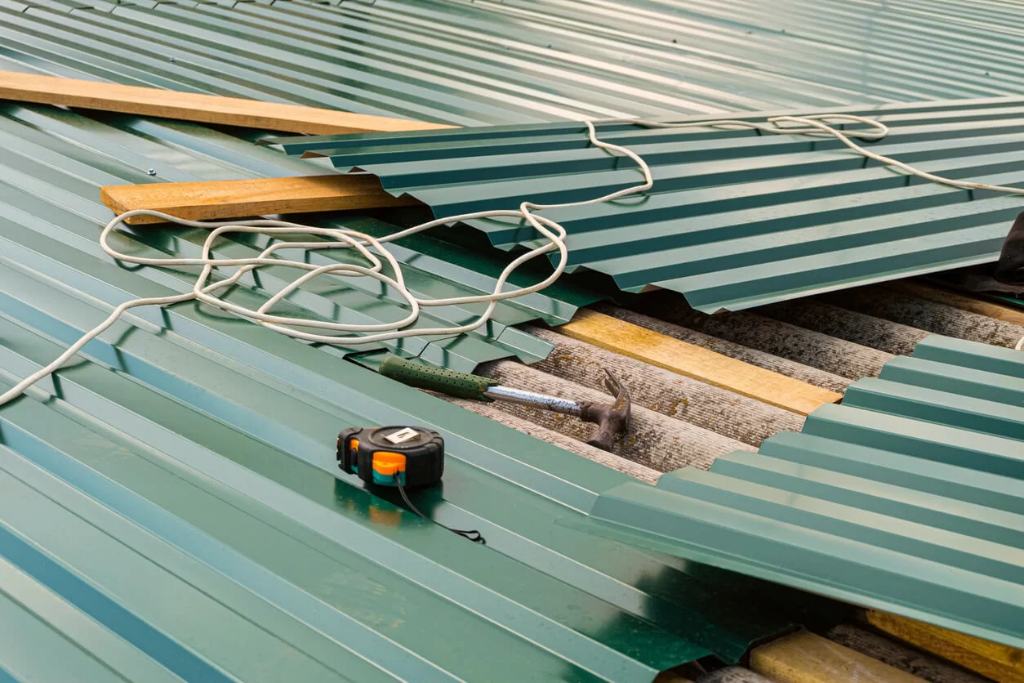
Metal panels are a bit trickier than asphalt shingles to install on your own. You’ll need help maneuvering the metal into place and making sure the seams between panels are secure.
Before you can install wood shingles on your roof, you need to create the vent structure or sheathing. This keeps them from warping in the dampness and heat.
Though it’s possible to learn how to install roof shingles on your own, it’s always best to leave it to an experienced professional. Roofing contractors know how to install different materials the right way, the very first time. So, if you can, hire an experienced contractor and let them handle it instead.
Roof Maxx’s all-natural restoration treatment may be a more affordable and effective option anyway, especially if most of your shingles are still in generally good condition. In fact, if you apply it at the right time, it can help you extend the life of your roof for much less. Schedule a free assessment now!
With our five-year, transferable warranty, you’ll enjoy the peace of mind that your roof and entire home are protected.