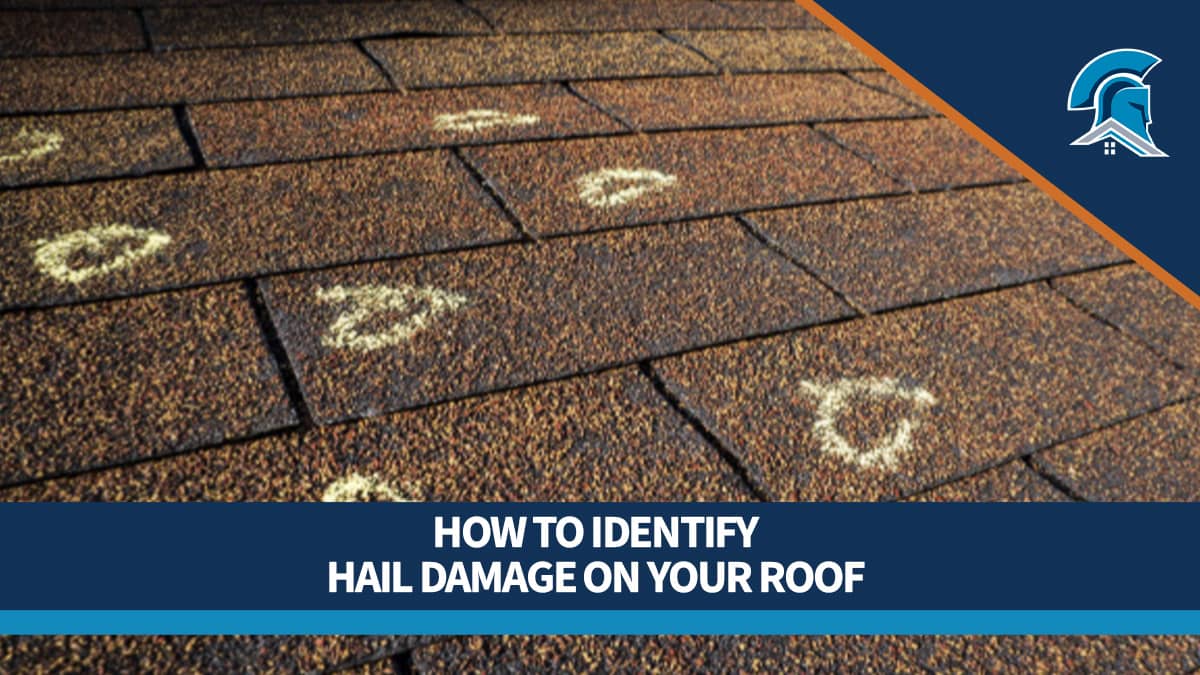

Hail damage often appears as missing granules, cracks, or soft, spongy areas on asphalt shingles, which can jeopardize the integrity of your roof. This type of damage is exceptionally difficult to spot from the ground, which is why most homeowners only learn they have it during annual inspections. To fix and prevent impact damage, have your roof inspected regularly and replace the affected shingles in a timely manner. Consider roof restoration or installing a new roof if your asphalt shingles are 15-30+ years old.
| Time to Read |
|
| What You’ll Learn |
|
| Next Steps |
|
Hail of any size can be seriously hazardous to your asphalt shingles, especially if they’re already suffering from age-related wear and tear. Ice pellets that strike the surface at high speed can send granules flying, leaving behind bald patches, bumps, dents, or even cracks that jeopardize the integrity of your roof.
Naturally, the larger the hail, the bigger the dent, but impact damage is notoriously difficult to spot unless you know what you’re looking for. In fact, most homeowners only discover they have it during a yearly inspection or while someone is already up there handling an unrelated repair job!
Below, we’ll break down what hail damage looks like, how you can identify and address it quickly, and when it’s time to call a pro. We’ll also tell you how Roof Maxx can help you avoid it.
Calling in a roofer to do a full roof inspection is the most reliable way to diagnose hail damage and make a plan to correct it or prevent further damage. It’s much easier to see and feel dents and divots once you’re up on the roof and can check shingles out individually.
We don’t recommend climbing up onto your roof unless you’re 100% sure you can do so safely.
Working at heights like these can be incredibly dangerous, especially if you’re alone.
If you absolutely insist on checking it out yourself, you should at least:
It’s best to handle this type of roof work in mild weather so you don’t need to worry about ice, snow, or getting rained out. Roof work is even riskier when the weather is bad!
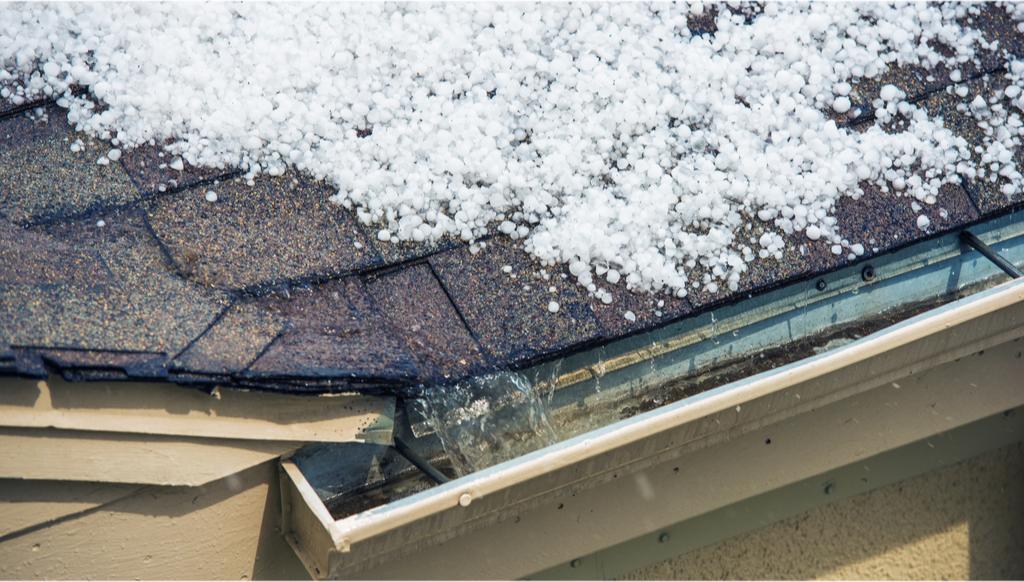
The granules in asphalt shingles can become loose and fall off for many reasons (including age), but this type of loss typically happens slowly over time, not all at once. If you suddenly notice a ton of granules in your downspouts or gutters after hail, there’s a good chance the storm did a number on your roof.
Be on the lookout for:
Problems like these are serious and must be fixed right away to prevent leaks or structural damage. In a pinch, you can have someone come in and tarp the area, but this won’t last forever.
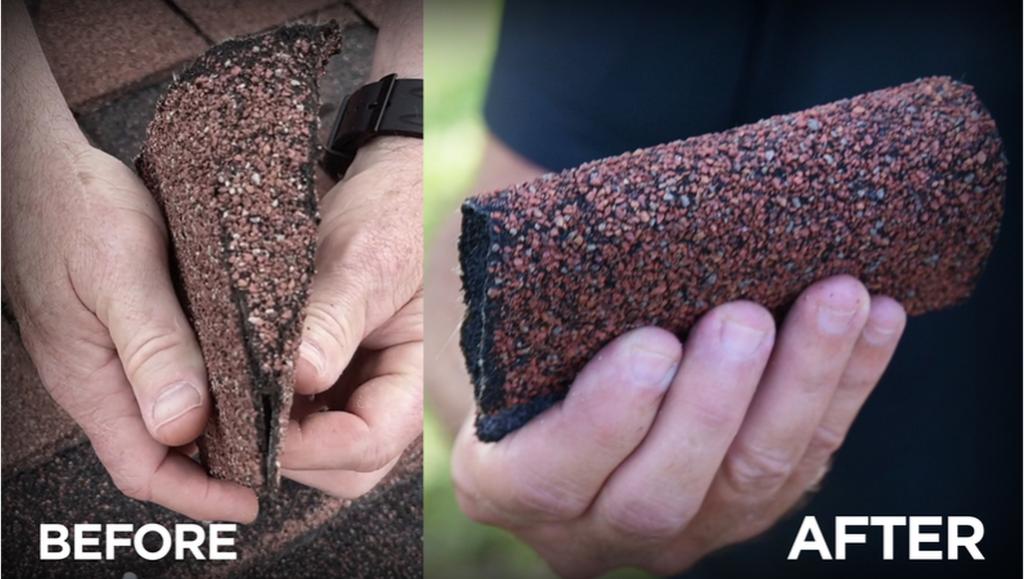
Asphalt shingles are made up of a fiberglass or organic base with a tough asphalt core that’s covered in a layer of protective granules. Impact damage from hail can introduce microabrasions that cause the petrochemical oils in the core to dry out faster than normal.
If this happens, you might start to notice:
Most cracks tend to start small and spread out over time. It’s a bit like when a pebble hits and cracks your windshield: you can probably wait to fix it, but it’ll keep spreading across the surface in the meantime.
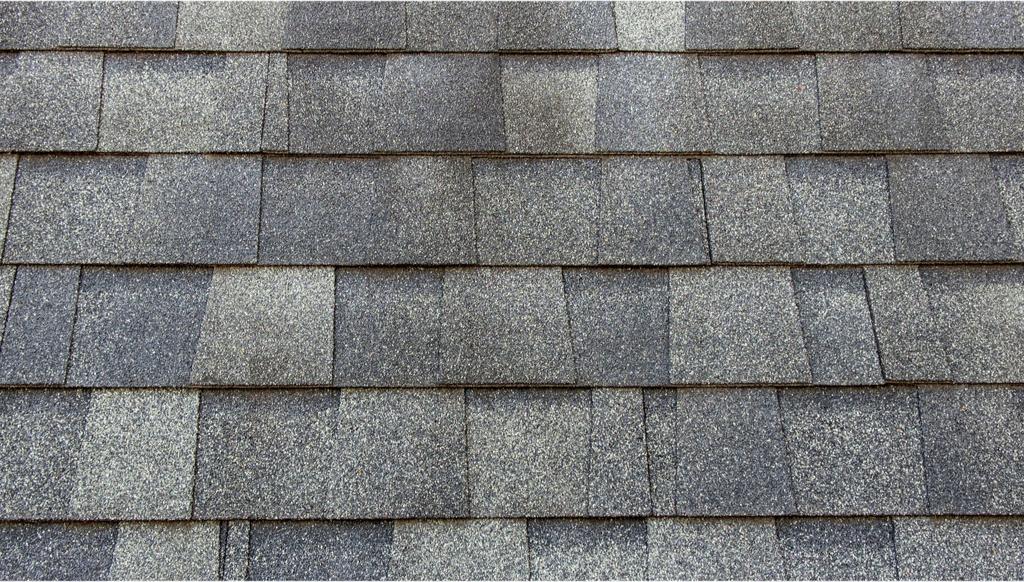
Bruises are one of the most common signs of hail damage. This is about how the shingle feels, not how it looks, including how fast it bounces back from pressure (or if it bounces back at all).
You’ll know a shingle is bruised because:
You might also notice round-ish or tear-shaped dents in gutters, downspouts or flashing. The softer the metal (e.g., copper vs galvanized steel) the more likely you are to notice divots like these nearby.
It’s important to note that bruises and general shingle flexibility aren’t the same. Being able to gently bend the whole shingle without it cracking is a sign that your asphalt shingles are still in relatively good condition. Random soft spots or holes are a totally different story!
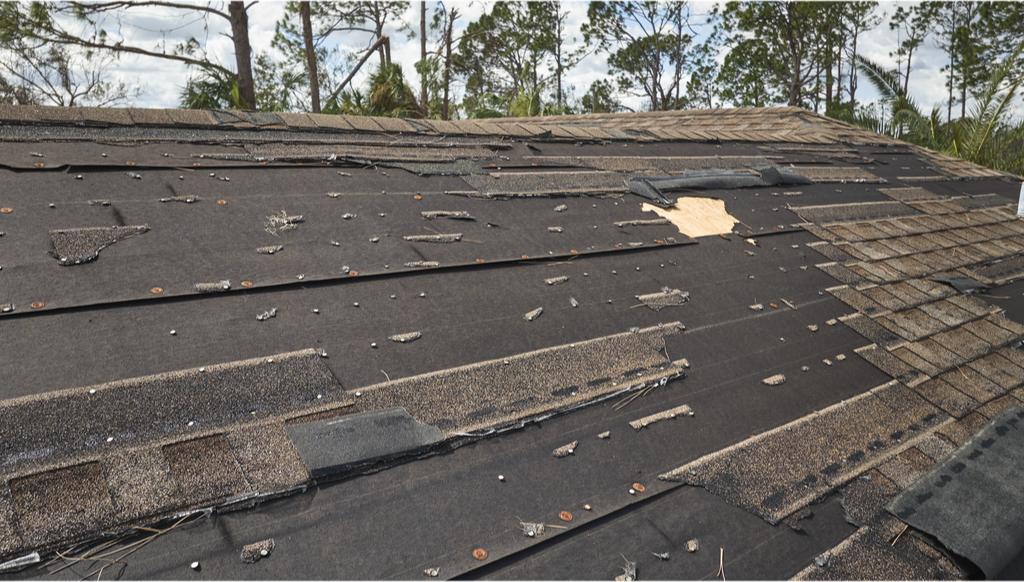
Once you know you have hail damage, it’s time to take action to fix it. The best way to respond will depend on the age of your roof and overall condition of your shingles, among other factors.
The process can be quite complicated:
Depending on what caused the damage, you may be able to file an insurance claim that covers the cost of any repairs or even an entirely new roof. Most providers will want the work handled by a pro, though.
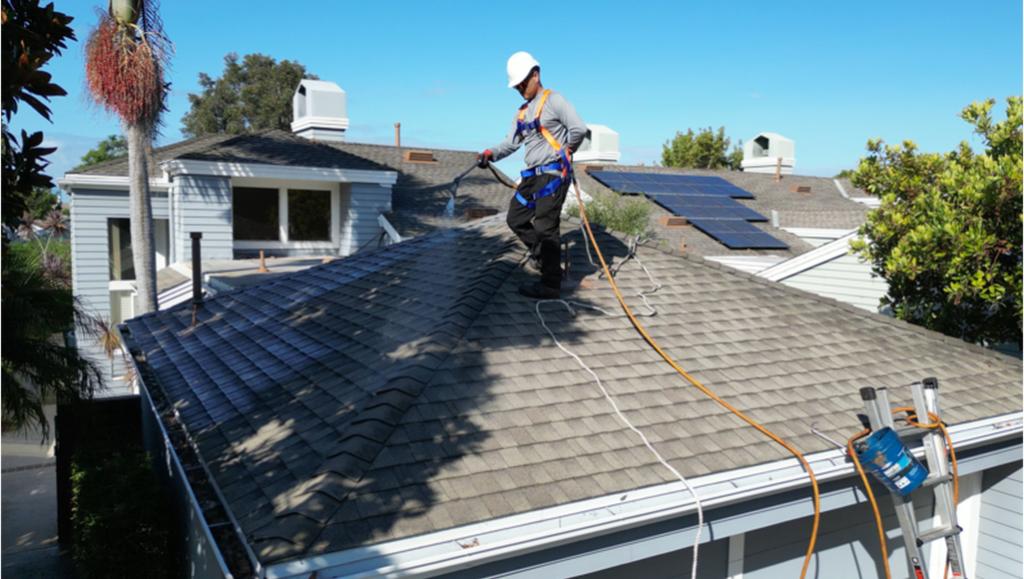
You can’t control Mother Nature or the weather, but that doesn’t necessarily mean hail damage is an inevitability. The first step is to never skip annual roof inspections. Annual check-ups are the best way to spot problems early so you can fix them before they turn into a financial disaster.
You should also:
If you’re just starting to notice that your shingles feel a bit brittle, or you’re around the 10-15 year mark, you should also consider scheduling a Roof Maxx treatment. During a Roof Maxx maintenance visit, our all-natural treatment soaks deep into the asphalt core of each shingle to make them flexible again.

Hail, hurricanes, tornadoes, and other major weather systems are just a part of life here in the US. While you might not be able to control them, you can take steps now to reduce the damage they cause to your roof and home over time so you’re less likely to need an early replacement.
Roof Maxx’s professional maintenance service makes shingles flexible again, so hail is more likely to bounce off instead of causing them to crack, break, or shatter. It gives your roof a fighting chance against harsh weather for up to 80 less than the cost of a new roof. See if you qualify today!
It’s essential. Minor dents and micro-cracks will let water seep in under your shingles, and eventually, into the rest of your home.
Long-term exposure to moisture can lead to:
Repairing hail damage helps keep your roof functioning properly. It’s the only real way to ensure that you can keep enjoying your home, and the protection your roof provides, for years to come.
Maybe. Most homeowner’s insurance policies do classify hail as a peril, which means they typically provide at least some coverage, but the specifics can vary widely between providers.
Instead of assuming you’re covered:
When in doubt, get it in writing. Ask reps to send you a letter or email confirming what you’re covered for. Having that backup on hand can be immensely helpful if they try to reject you based on fallacies.
The answer will depend on your policy. Some insurers will accept a claim anytime within the first few months, while others only provide coverage if you file as soon as you discover an issue.
It’s imperative to review your insurance terms and consult with your provider promptly after the damage occurs. They will assess the situation and determine the extent of coverage. Always maintain detailed damage records to facilitate a smoother insurance claim process.
It varies. Some roofs develop leaks almost immediately, while others may take months or even years to show up, if they show up at all.
What matters the most is the fact that any damage to shingles can compromise the protective layer of granules and asphalt core, which is what helps them perform as they should. Damage is cumulative and almost always tends to worsen over time with every consecutive storm.
Today’s asphalt shingles don’t last as long as they used to. They’re made with less asphalt and fewer granules than in the past, so they’re more likely to become brittle, crack, or break over time. Shingles that were put on over 30 years ago are often thicker, bulkier, and more resistant to wear and tear.
If you’ve maintained your roof properly over the years, your shingles probably have a lot more life in them—especially if you treat them with Roof Maxx. See how the treatment works.


With our five-year, transferable warranty, you’ll enjoy the peace of mind that your roof and entire home are protected.